
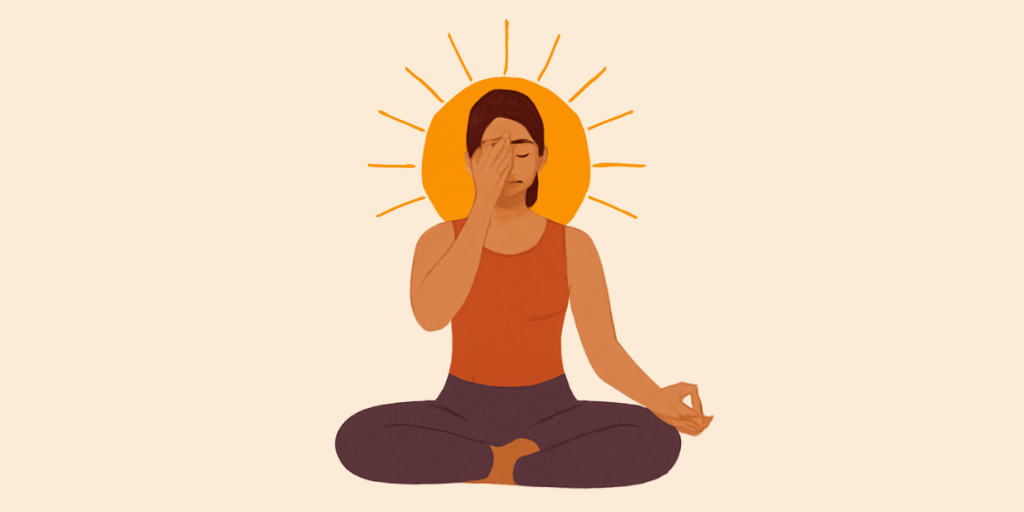
Sanskrit name: कृयायोग
English name: Yoga of Action
Description
Kriya Yoga, an ancient science of spiritual awakening, is a structured practice that integrates breath control (pranayama), self-discipline (tapas), and inner devotion to accelerate personal transformation. Unlike physical yoga styles, KriyaYoga focuses on internal energy regulation, guiding practitioners toward mental clarity, emotional balance, and divine connection. Its techniques involve controlled breathing, meditation, and mantra repetition, designed to activate the subtle energy channels (nadis) and elevate consciousness.
Rooted in Patanjali’s Yoga Sutras, Kriya Yoga was revived in the 19th century by the legendary Mahavatar Babaji, who taught this sacred method to Lahiri Mahasaya. Through his disciples, including Swami Sri Yukteswar and Paramahansa Yogananda, Kriya Yoga spread worldwide.
Yogananda’s Autobiography of a Yogi introduced millions to this transformative practice, highlighting its power to dissolve karma and lead to Samadhi (spiritual enlightenment). Practicing KriyaYoga helps calm the mind, purify the nervous system, and deepen meditation, making it an ideal path for those seeking self-realization and higher awareness.
Whether you’re a beginner or an advanced seeker, Kriya Yoga offers a direct and effective means to achieve inner peace, divine connection, and ultimate liberation.
How to Do
Here are the steps to do Kriya Yoga.
- Preparation: Begin by finding a quiet, comfortable space where you can sit undisturbed. Sit in a comfortable position (such as Padmasana, Sukhasana, or any other seated posture) with a straight spine and your hands resting on your knees.
- Set an Intention: Focus on your intention for the practice. It could be for personal growth, inner peace, or spiritual enlightenment.
- Breathing Exercises (Pranayama): Begin with simple breath control exercises like Nadi Shodhana (Alternate Nostril Breathing) or Kapalbhati (Breath of Fire) to purify the energy channels and calm the mind. Gradually move to more advanced techniques such as Kriya Pranayama (involving deep and controlled breathing) to energize the body and mind.
- Dhyana (Meditation): Focus your attention on a specific point (such as the third eye, located between your eyebrows) or a mantra (a sacred word or phrase) to deepen your concentration. With time, you will learn to clear your mind and enter deep states of stillness.
- Visualizations and Energy Control: Advanced Kriya Yoga practitioners work with energy by visualizing the flow of prana (life force) through the body, directing it to different energy centers (chakras) to purify and balance the mind and body.
- Closing the Practice: To end the session, gently bring your awareness back to the present moment. Sit quietly for a few moments, observe your breath, and express gratitude for the practice.
Medical Conditions(Relief)
- Stress and Anxiety: Kriya Yoga techniques help in reducing stress levels and anxiety through controlled breathing and meditation, leading to a calmer mind.
- Respiratory Disorders: Breathing exercises in Kriya Yoga enhance lung capacity and efficiency, aiding individuals with asthma or other respiratory conditions.
- Digestive Issues: The physical movements and postures stimulate digestive organs, which can help alleviate problems like bloating and constipation.
- Chronic Pain: Regular practice can increase flexibility and strength, potentially reducing chronic pain conditions such as arthritis or lower back pain.
- Sleep Disorders: Kriya Yoga promotes relaxation and stress reduction, which can improve sleep quality for those suffering from insomnia.
- Depression: The meditative aspects of Kriya Yoga can uplift mood and provide a sense of peace, aiding in the management of depressive symptoms.
- Diabetes Management: The physical activity involved can assist in regulating blood sugar levels, benefiting those with diabetes.
- Mental Clarity and Focus: The meditative practices enhance concentration and cognitive function, which can be beneficial for individuals with attention-related issues.
- Overall Wellness: Kriya Yoga promotes holistic health, supporting both physical and mental well-being, which is beneficial for anyone looking to improve their overall quality of life.
Medical Conditions(Avoid)
- Severe Cardiovascular Issues: Individuals with significant heart conditions or hypertension should avoid strenuous asanas that increase heart rate.
- Recent Surgeries: Those who have undergone surgery should refrain from asanas until fully healed, as they may strain the surgical site.
- Severe Back Problems: Conditions like herniated discs or severe spinal issues can be aggravated by certain postures, necessitating avoidance.
- Pregnancy: Pregnant individuals should avoid asanas that involve deep twists or abdominal pressure, especially in later stages.
- Severe Respiratory Conditions: Asthma or other serious respiratory issues may be exacerbated by practices that require intensive breath control.
- Acute Infections or Illnesses: Practicing yoga during acute illness can strain the body and hinder recovery.
- Joint Problems: Conditions like arthritis can worsen with certain asanas that put pressure on the joints.
References
- Patanjali, Yoga Sutras of Patanjali, Commentary by Swami Sivananda. Divine Life Society, 1990; p. 58.
- Swatmarama, Hatha Yoga Pradipika, Edited by Swami Muktibodhananda. Bihar School of Yoga, 1998; p. 72.
- Sushruta, Sushruta Samhita, Commentary by Acharya Y.T. (5th ed.). Varanasi: Chaukambha Orientalia, 1992; p. 445.
- Krishnamacharya, Yoga Makaranda, Translated by A.G. Mohan. Krishnamacharya Yoga Mandiram, 2012; p. 103.
- Iyengar B.K.S., Light on Yoga. HarperCollins Publishers, 1966; p. 102.
- Desikachar T.K.V., The Heart of Yoga: Developing a Personal Practice. Inner Traditions, 1995; p. 88.
- Jois K. Pattabhi, Yoga Mala. The Yoga Institute, 2002; p. 120.
- Swami Vivekananda, Raja Yoga. Advaita Ashrama, 1993; p. 61.
- Swami Sivananda, The Science of Pranayama. Divine Life Society, 1951; p. 99.
- Sivananda Yoga Vedanta Centres, Yoga and Health. Sivananda Publications, 2005; p. 45.

