
Sanskrit Name: स्वर योग
English Name: Yoga of Breath and Sound
Description:
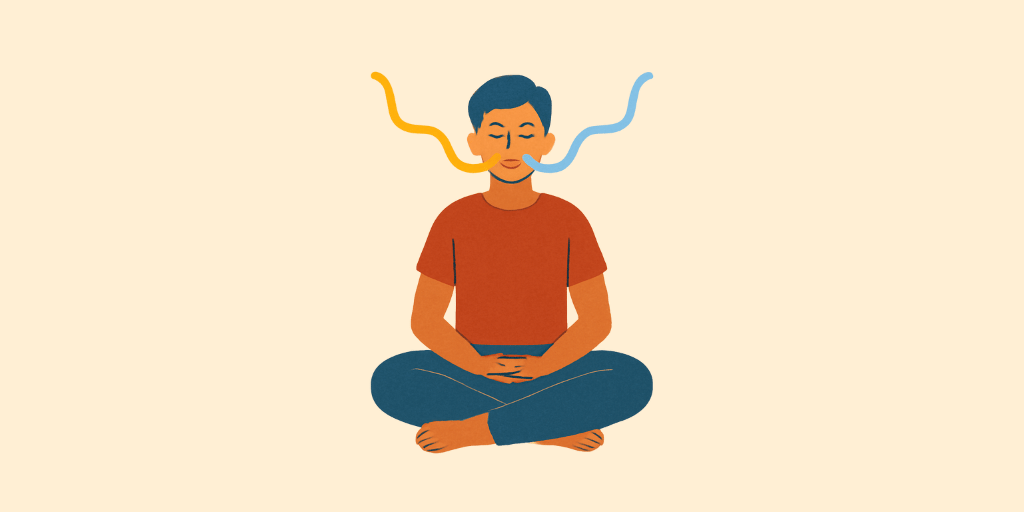
Svara Yoga, an ancient yogic science, focuses on the breath’s subtle influence on mind, body, and energy flow. Unlike conventional yoga, which emphasizes physical postures, Svara Yoga teaches that our breath patterns change cyclically, affecting our mental states, emotions, and even external circumstances. By observing and controlling nasal breathing, practitioners can align themselves with cosmic rhythms, achieving greater balance, clarity, and health.
This sacred knowledge originates from the Shiva Svarodaya, a tantric text where Lord Shiva explains the power of breath cycles to Goddess Parvati. According to this system, the left nostril (Iḍā) governs the moon’s calming energy, the right nostril (Piṅgalā) relates to the sun’s active force, and the central channel (Suṣumṇā) leads to spiritual awakening. By mastering breath awareness, yogis can predict favorable moments for action, enhance meditation, and balance physical and mental energies.
Svara Yoga is ideal for those seeking heightened intuition, mental clarity, and deeper energy control. Whether used for spiritual growth, health optimization, or decision-making, this ancient system provides a powerful tool for self-mastery. By tuning into your breath’s natural rhythm, you unlock a deeper connection to life’s flow and universal consciousness.
Benefits:
1. Stress and Anxiety: Practicing Svara Yoga can help reduce stress levels and alleviate anxiety by promoting relaxation and mindfulness.
2. Respiratory Disorders: The techniques used in Svara Yoga enhance lung capacity and improve breathing, which can be beneficial for individuals with asthma or other respiratory issues.
3. Digestive Problems: Svara Yoga aids in digestion by stimulating the digestive organs and improving overall gut health.
4. Chronic Pain: The gentle movements and breathing exercises can help manage chronic pain conditions by promoting relaxation and reducing tension in the body.
5. Sleep Disorders: Engaging in Svara Yoga may improve sleep quality and help with insomnia by calming the mind and relaxing the body.
6. Cardiovascular Health: Regular practice can support heart health by lowering blood pressure and improving circulation.
7. Mental Clarity and Focus: Svara Yoga enhances concentration and cognitive function, making it beneficial for those experiencing mental fatigue.
These practices can support overall well-being and contribute to the management of these conditions.
Medical Conditions – Avoid:
1. Pregnancy: Many asanas can exert pressure on the abdomen and should be avoided to prevent discomfort or complications.
2. Severe Hypertension: Asanas that involve inversions or significant strain can exacerbate high blood pressure conditions.
3. Glaucoma: Inversions and poses that increase intraocular pressure should be avoided to prevent worsening of the condition.
4. Recent Surgery: Those recovering from surgery should avoid asanas that strain the affected area until fully healed.
5. Severe Back Pain or Spinal Issues: Certain asanas can aggravate existing back problems or herniated discs.
6. Acute Infections or Illness: Practicing asanas during acute illness can strain the body and hinder recovery.
7. Severe Asthma or Respiratory Issues: Some asanas may restrict breathing or lead to discomfort.

