
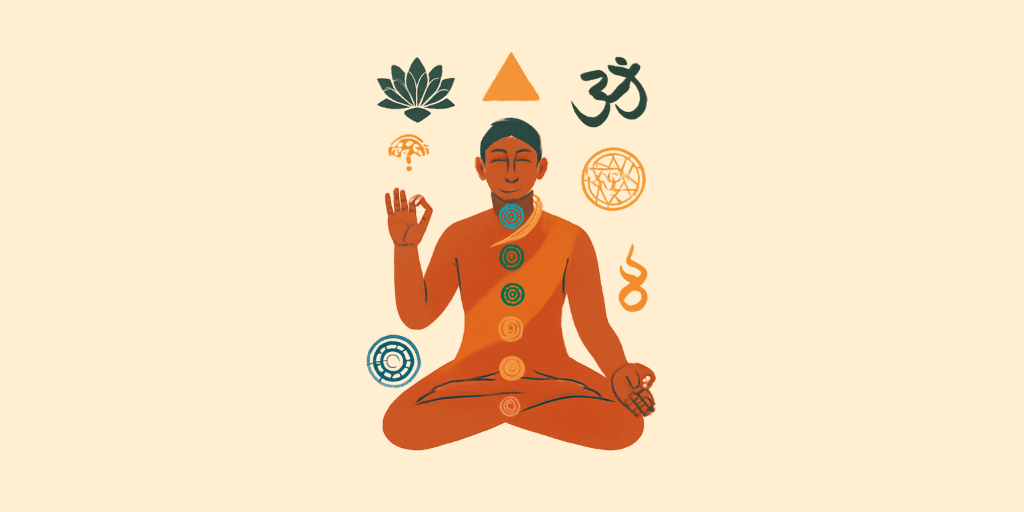
Sanskrit Name: तन्त्र योग
English Name: Yoga of Sacred Rituals
Description
Tantra Yoga is a powerful and mystical yogic path that integrates energy, consciousness, and ritualistic practices to achieve spiritual awakening. Unlike other yoga systems that emphasize renunciation, Tantra embraces life in its totality, recognizing that the physical world and spiritual realms are interconnected.
Tantra means “expansion”, and its teachings help practitioners expand their awareness by harmonizing the mind, body, and cosmic energies. This path utilizes mantras (sacred sounds), mudras (gestures), yantras (geometric diagrams), visualization, meditation, and breathwork to awaken Kundalini energy and activate the chakras. The origins of Tantra Yoga can be traced back over 5,000 years, deeply rooted in Vedic and Agamic traditions.
Ancient texts like the Tantras, Shiva Sutras, and Kaula Jnana Nirnaya describe Tantra as the union of Shiva (consciousness) and Shakti (energy), signifying the cosmic dance of creation. Tantra gained prominence in medieval India, influencing Hatha Yoga, Kundalini Yoga, and Tibetan Buddhism.
Unlike common misconceptions, authentic Tantra is not just about rituals but a powerful science of inner expansion that cultivates spiritual awareness, self-mastery, and cosmic connection. It is a sacred path to self-discovery, empowerment, and ultimate liberation.
Medical Conditions(Relief)
- Yoga can be beneficial in managing various medical conditions, including stress, anxiety, chronic pain, and cardiovascular issues.
- It promotes relaxation, enhances flexibility, and improves mental clarity.
- Additionally, practices like Tantra yoga can deepen self-awareness and foster emotional healing, contributing to overall well-being.
Medical Conditions(Avoid)
- Severe Back Pain: Individuals with chronic or acute back pain should avoid asanas that strain the back, as they may exacerbate discomfort.
- Recent Surgery: Those who have undergone recent surgical procedures should refrain from asanas that involve significant movement or pressure on the affected area.
- Pregnancy: Pregnant individuals should avoid asanas that put pressure on the abdomen or require lying flat on the back, especially in later trimesters.
- High Blood Pressure: Asanas that involve inversions or extreme postures may not be suitable for those with uncontrolled hypertension.
- Glaucoma: Inversions and certain forward bends can increase intraocular pressure, making them risky for individuals with glaucoma.
- Hernias: Individuals with hernias should avoid poses that engage the abdominal muscles intensely to prevent worsening the condition.
- Severe Osteoporosis: Those with severe osteoporosis should avoid asanas that involve twisting or bending to prevent fractures.
References
- Patanjali, Yoga Sutras of Patanjali, Commentary by Swami Sivananda. Divine Life Society, 1990; p. 58.
- Swatmarama, Hatha Yoga Pradipika, Edited by Swami Muktibodhananda. Bihar School of Yoga, 1998; p. 72.
- Sushruta, Sushruta Samhita, Commentary by Acharya Y.T. (5th ed.). Varanasi: Chaukambha Orientalia, 1992; p. 445.
- Krishnamacharya, Yoga Makaranda, Translated by A.G. Mohan. Krishnamacharya Yoga Mandiram, 2012; p. 103.
- Iyengar B.K.S., Light on Yoga. HarperCollins Publishers, 1966; p. 102.
- Desikachar T.K.V., The Heart of Yoga: Developing a Personal Practice. Inner Traditions, 1995; p. 88.
- Jois K. Pattabhi, Yoga Mala. The Yoga Institute, 2002; p. 120.
- Swami Vivekananda, Raja Yoga. Advaita Ashrama, 1993; p. 61.
- Swami Sivananda, The Science of Pranayama. Divine Life Society, 1951; p. 99.
- Sivananda Yoga Vedanta Centres, Yoga and Health. Sivananda Publications, 2005; p. 45.

