
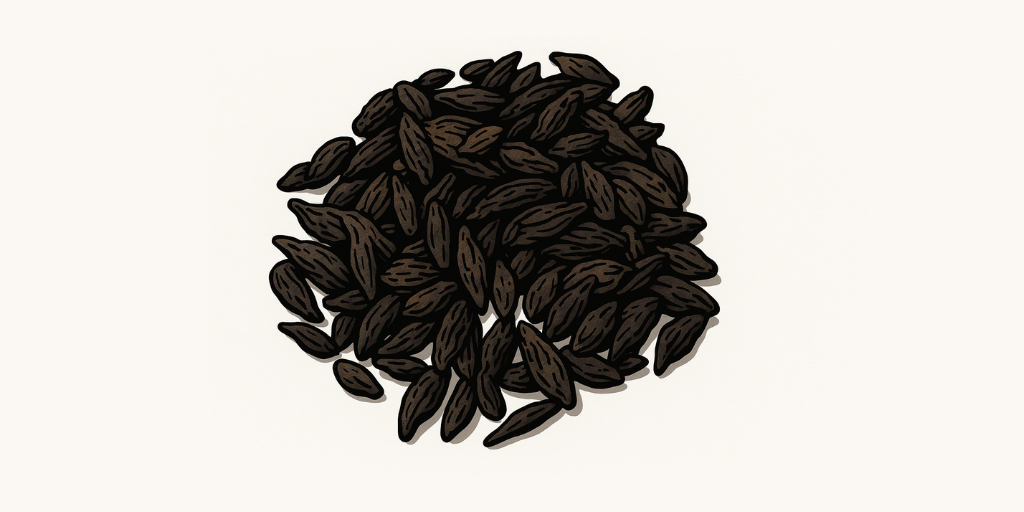
Sanskrit Name: Harad
Devanagari Name: हरड़
English Name: Chebulic Myrobalan
Description:
Harad, also known as Harade in India, is a prized herb in Ayurveda recognized for its numerous health benefits. It is a vital component of the traditional blend Triphala and is celebrated for its rejuvenating effects. Rich in essential nutrients such as vitamin C, iron, manganese, selenium, and copper, Harad nourishes the scalp, aids in reducing hair loss, and encourages hair growth. It possesses properties that are Ruksha (dry), Deepan (stimulating appetite), Medhya (enhancing cognitive function), and Rasayana (rejuvenating).
In addition, Harad promotes digestive health by facilitating digestion and regular bowel movements, making it particularly useful for chronic constipation. It also aids in respiratory issues like cough and shortness of breath by balancing the Vata dosha. The herb’s antioxidant and immune-boosting properties help enhance immunity and lower oxidative stress.
Applying a paste of Harad mixed with coconut oil can accelerate wound healing and help ward off skin infections. Furthermore, Harad extract can serve as a nerve tonic when applied to the eyelids for certain eye conditions. However, excessive intake of Harad may lead to diarrhea, and it’s recommended to use the paste with carrier oils to avoid skin irritation.
Benefits:
Promotes hair growth and controls hair fall
Improves digestion and helps relieve chronic constipation
Boosts immunity and protects against oxidative stress
Manages cough, breathlessness, and body aches
Supports eye health and reduces general weakness
Accelerates wound healing and prevents skin infections
Medical Conditions(Relief):
Hair loss and scalp issues
Digestive problems (constipation, indigestion)
Respiratory ailments (cough, breathlessness)
Skin infections and wound healing
General weakness and vision-related issues
Medical Conditions(Avoid):
Diarrhea (excessive consumption may worsen symptoms)
Hypersensitive skin (use paste with carrier oils to prevent irritation)

