
Ayurvedic Name: Dandaka Jwara
Description:
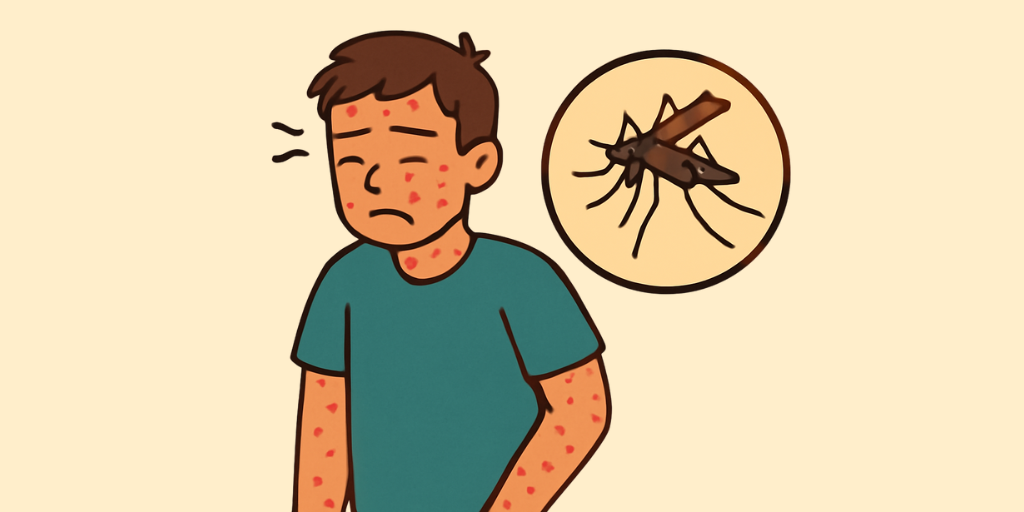
Dengue is viewed in Ayurveda as a Pitta and Kapha imbalance, where Pitta causes high fever and inflammation, while Kapha leads to stagnation, heavy mucus, and fluid retention. It is often linked with Ama accumulation, resulting in weakened immunity and increased susceptibility to the viral infection. The high fever, body aches, and rashes are attributed to Pitta’s excess heat and Kapha’s obstruction. Ayurveda treatment of Dengue focuses on detoxifying the body, managing fever, and enhancing immune function using herbs like Giloy, Neem, Turmeric, and Papaya leaf extract to lower fever, detoxify, and promote recovery.
Signs & Symptoms:
- Rukshata (Dryness): Dryness in the skin and mouth due to dehydration from fever and sweating.
- Anidra (Insomnia): Difficulty sleeping may arise due to high fever, body pain, and discomfort from rashes.
- Jwara (High Fever): Sudden onset of high fever, often with chills, is a hallmark symptom of dengue.
- Anga Shoola (Body Pain): Severe pain in the joints and muscles, often described as “breakbone fever.”
- Rash: A rash may appear a few days after fever onset, usually starting on the face and spreading to the rest of the body.
- Hemorrhagic Manifestations: In severe cases, bleeding from the gums, nosebleeds, or bruising may occur.
Diagnosis:
Clinical exam with fever, body aches, and rash, confirmed by a positive dengue serology or PCR test for the dengue virus.
Risk Factors:
- Dietary Factors
Poor nutrition: A weakened immune system due to inadequate nutrition can increase the risk of contracting dengue.
Iron deficiency: Low iron levels can make the body more susceptible to infections, including dengue. - Lifestyle Factors
Exposure to mosquito bites: Living in or traveling to areas with a high presence of the Aedes mosquito increases the risk of dengue infection.
Lack of mosquito control: Not using mosquito nets or repellent, or living in environments with stagnant water, raises the risk of dengue. - Medical Conditions
Weakened immune system: People with weakened immunity (e.g., due to HIV or cancer treatments) are more vulnerable to severe dengue.
Previous dengue infection: Having had dengue in the past increases the risk of developing severe forms of the disease upon reinfection.
Complications:
- Hemorrhagic Fever (Rakta Vikruti) – Severe dengue infection can lead to hemorrhagic fever, causing bleeding, shock, and organ failure, which can be fatal if not treated promptly.
- Severe Dehydration (Trishna Kshaya) – Dengue causes high fever, sweating, and vomiting, which can lead to severe dehydration and electrolyte imbalance, complicating recovery.
- Organ Damage (Kosha Vikruti) – In extreme cases, dengue can lead to organ damage, particularly affecting the liver, heart, and kidneys.
- Hypoglycemia (Anidra) – Dengue treatment, particularly quinine, can cause a dangerous drop in blood sugar levels, leading to hypoglycemia.
- Chronic Fatigue (Dourbalya) – Following recovery from dengue, many individuals experience chronic fatigue and weakness, lasting weeks or months.
Epidemeology:
Affects approximately 50-100 million people annually, with the majority of cases occurring in tropical and subtropical regions. More common in areas with poor mosquito control, such as urban environments with stagnant water.
Higher rates are seen in children and those with compromised immune systems. Outbreaks are most frequent during the rainy season when mosquito breeding conditions are optimal.
References:
- Shastri R., Bhaishyajya Ratnavali, Edition Reprint ,2018, Chaukhambha Prakashan , Varanasi, chapter 5 verse 1061-1069 pg. no. 169.8.
- Prof R. H. Singh, Charak Samhita, Chaukhamba Surbharati Prakashan, Varanasi, reprint 2022 jwara adhaya cha. Chi 3/201 p. 4179.
- Joshi S., Yogratnakar, Jaya Krishna Das Haridas Gupta Publication, Banaras, 1939, jwarachitsa/2, p. 156.10.
- Yadavaji Trikamji Acharya: SiddhaYaga Sangraha- 1st Chapter, 6th Yoga, page no: 4, Publisher: Baidyanath Ayurved Bhavan Ltd, 11th Edn:2000
- https://www.jaims.in/jaims/article/view/3678/5965

