
Ayurvedic Name: Vishad
Description:
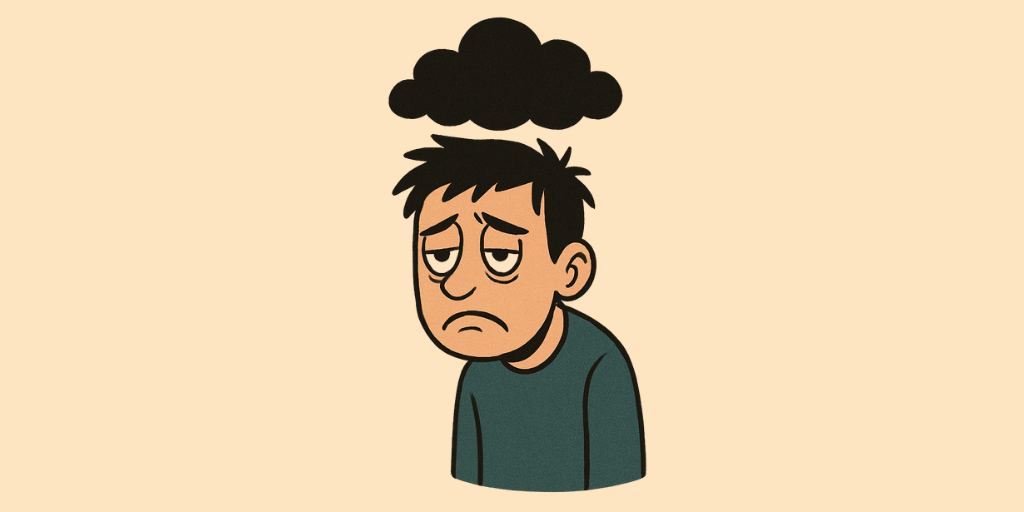
Vishad is depression or deep melancholy. Ayurveda attributes it to an imbalance in Kapha and Vata doshas, affecting mental and emotional health. In Ayurveda it is considered as Manovah Strotras Gat vyadhi which in simple terms is disease related to mental functions. It can be triggered by grief, stress, poor digestion, or lack of physical activity. Herbal treatments, meditation, and a nourishing diet are advocateed to uplift the mood and restore mental balance.
Signs & Symptoms:
- Visada (Depression): Persistent sadness, disinterest in activities, and emotional numbness.
- Vata Dosa: Vata imbalance causes restlessness, anxiety, and depressive thoughts.
- Pitta Dosa: Pitta aggravation leads to intense emotions, frustration, and depressive episodes.
- Kapha Dosa: Kapha excess causes feelings of heaviness and a lack of motivation.
Diagnosis:
Blood Test for Depression Markers
Risk Factors:
- Dietary Factors: A diet low in nutrients or high in refined sugars, alcohol, and caffeine can lead to increased stress levels and affect mental health, contributing to Vishad. Poor dietary habits can also trigger mood imbalances and depression.
- Lifestyle Factors: Stress, negative thought patterns, and prolonged emotional strain can cause anxiety and feelings of sadness, leading to Vishad. Lack of physical activity and social isolation can worsen these symptoms and contribute to a mental state of sadness.
Complications:
- Sadness (Vishad): Deep sense of sorrow or despair, often associated with depression or emotional stress.
- Low Energy (Alpashakti): Decreased vitality and enthusiasm, resulting from emotional or mental exhaustion.
- Loss of Hope (Asha Hani): Feeling of hopelessness and lack of motivation due to prolonged sadness.
Epidemeology:
Vishad (Sadness/Depression) is a mental health condition that affects millions globally. The prevalence of depression is high in both developing and developed countries, with a higher incidence in women. Contributing factors include genetics, trauma, prolonged stress, and certain medical conditions like thyroid disorders or chronic illnesses. Depression often leads to a significant decline in quality of life and increased risk of other health problems.
References:
- Hari Sastri Paradkar Vaidya (ed). Astanga Hridaya with Sarvanga Sundara of Arundutta and Ayurved Rasayan of Hemadri. 7th ed. Varanasi: Chowkhamba Orientalia; 1982. Sutrasthana, Chapter 1, Sloka 18, p. 12.
- Karikavali.
- Vaisheshika Darshan. Chapter 1, Verse 168.
- Tripathi B. Charak Samhita. Varanasi: Chaukhamba Surbharati Prakashan; 2020. Sutrasthana, Chapter 1, Verse 51.
- Sushrut Samhita, Nibandha Sangraha commentary of Dalhana. Varanasi: Chowkhamba Sanskrit Sansthan. Sutrasthana, Chapter 46, Verse 521.
- Tripathi B. Charak Samhita. Varanasi: Chaukhamba Surbharati Prakashan; 2020. Sutrasthana, Chapter 25, Verse 36.7.
- Tripathi B. Charak Samhita. Varanasi: Chaukhamba Surbharati Prakashan;2020. Sharirasthana, Chapter 6, Verse
- https://www.jaims.in/jaims/article/download/3804/6083?inline=1

