
Sanskrit Name: Fitkari
Devanagari Name: फिटकरी
English Name: Alum
Description:
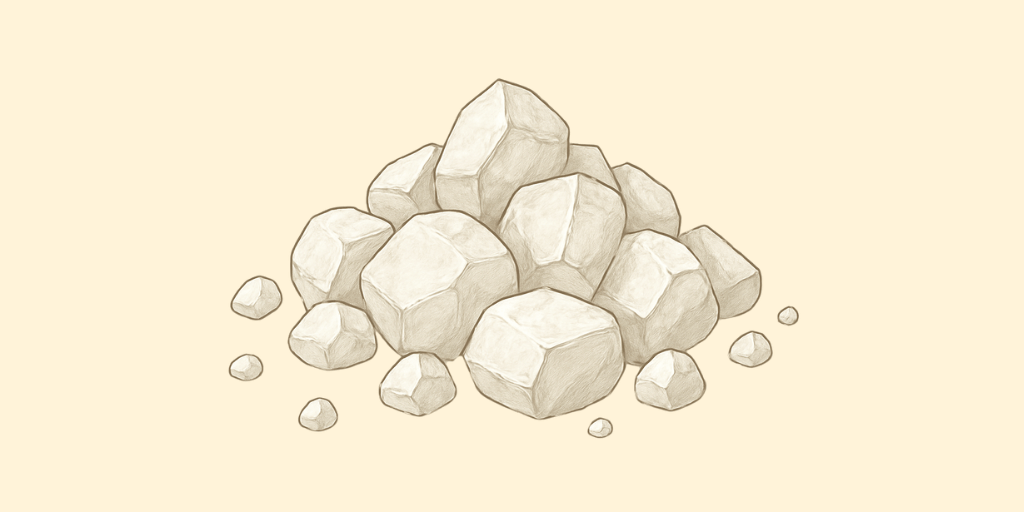
Alum, also known as Phitkari, is a clear, salt-like substance utilized in both culinary and medicinal applications. There are several varieties of Alum, including Potassium Alum, Ammonium Alum, Chrome Alum, and Selenate Alum.
In Ayurveda, Alum is processed into a form called Sphatika Bhasma (pure ash). This preparation, when combined with honey, is employed to alleviate whooping cough by minimizing mucus buildup in the lungs. Consuming Alum Bhasma twice daily may also help relieve dysentery and diarrhea due to its dehydrating effects.
Additionally, women have used Alum combined with wax for hair removal. Its astringent properties contribute to skin tightening and whitening. Alum helps shrink cells and eliminates excess oil, making it effective in reducing acne scars and pigmentation. Topical application of Alum is also noted for its effectiveness in treating mouth ulcers due to its potent healing properties.
Benefits:
- Alum is well-known for its antiseptic, astringent, and antibacterial properties, which make it highly effective in treating skin conditions like acne, cuts, and wounds.
- Alum helps in reducing inflammation and promoting the healing of skin tissues.
- It is also widely used in oral care, as it can help in treating mouth ulcers, sore gums, and bad breath due to its antimicrobial properties.
- Additionally, alum is beneficial for managing excessive sweating by acting as a natural deodorant and helping to reduce body odor.
- It is used in the treatment of sore throat by gargling with alum water, which soothes irritation.
Medical Conditions(Relief):
- Alum (Potassium Alum) provides relief for conditions such as body odor, minor cuts, and wounds due to its antibacterial and astringent properties.
- It is commonly used as an antiseptic for treating skin infections, insect bites, and rashes.
- Alum is also known to help in managing excessive sweating and can be used as a natural deodorant.
Medical Conditions(Avoid):
- Alum should be avoided by individuals with sensitive skin or those prone to allergic reactions.
- It should not be used on broken skin or open wounds unless recommended by a healthcare provider.
- Pregnant or breastfeeding women should consult their healthcare provider before using alum, as its effects in these populations are not well-studied.

