
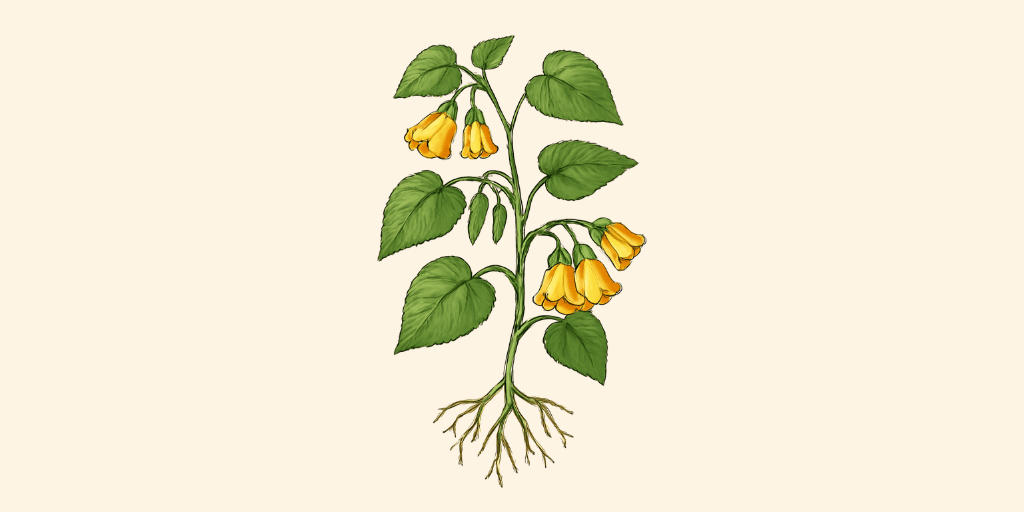
Sanskrit Name: Atibala
Devanagari Name: अतीबला
English Name: Atibala
Description:
Atibala, or Abutilon indicum, is a small shrub celebrated in Ayurveda for its significant healing properties. The name “Atibala” means “extremely powerful,” highlighting the plant’s rejuvenating and restorative effects. All parts of the plant that are leaves, roots, seeds, and flowers are utilized for various medicinal purposes.
Atibala is esteemed for its capacity to enhance strength, boost immunity, and foster overall vitality. It possesses anti-inflammatory and analgesic characteristics, making it a useful treatment for arthritis, joint discomfort, and muscle pain.
Furthermore, Atibala acts as a natural diuretic, facilitating healthy urination and detoxification. Its calming influence on the respiratory system aids in alleviating cough, bronchitis, and asthma. The plant is also employed to address reproductive health issues, including menstrual irregularities and infertility.
Atibala has a cooling effect and assists in balancing the Vata and Pitta doshas within the body. It promotes skin health by supporting wound healing and reducing inflammation. However, overconsumption may cause digestive issues, and those with kidney concerns should be cautious.
Pregnant women should refrain from using it unless advised by a healthcare professional.
Benefits:
- Atibala is known for its rejuvenating properties, promoting overall health and vitality.
- It has anti-inflammatory, analgesic, and antioxidant properties, making it effective in managing pain, inflammation, and oxidative stress.
- The herb is traditionally used to support the immune system, promote wound healing, and strengthen the body’s resistance to infections.
- It is also beneficial for improving energy levels, treating fatigue, and supporting the reproductive system, particularly in women.
- Atibala has been used to alleviate respiratory conditions, such as asthma and cough, and is known for its ability to improve skin health.
Medical Conditions(Relief):
- Atibala provides relief for conditions like weakness, fatigue, and physical debility by improving overall strength and energy levels.
- It is also used to treat joint pain, inflammation, and muscle spasms due to its analgesic properties.
- Atibala is known for its benefits in managing respiratory conditions, including cough and asthma, and promoting digestion.
Medical Conditions(Avoid):
- Atibala should be avoided by individuals with low blood pressure, as it may further reduce blood pressure.
- Pregnant women should use Atibala cautiously, as its effects on pregnancy have not been sufficiently studied.
- People with allergies to plants in the Malvaceae family should avoid using Atibala.

