
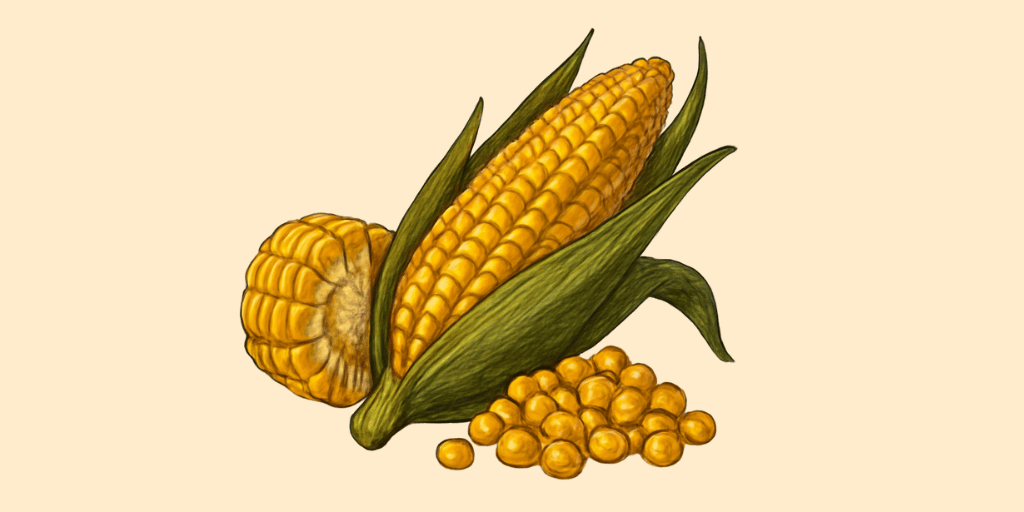
Sanskrit Name: Makka
Devanagari Name: मक्का
English Name: Corn
Description:
Corn, commonly referred to as maize, ranks among the most widely consumed cereal grains globally. It is rich in various nutrients and phytochemicals, including carotenoids and phytosterols, which are essential in disease management.
Corn flour is particularly beneficial for health, offering significant amounts of B vitamins, iron, potassium, magnesium, and other vital nutrients. Additionally, corn silk, the long fibers attached to an ear of corn, is utilized for medicinal applications.
Corn aids in weight management due to its fiber content and helps regulate blood sugar levels by boosting insulin secretion, thanks to its properties that lower blood sugar. It also alleviates pain and inflammation associated with rheumatoid arthritis due to its antioxidant and anti-inflammatory effects.
Corn silk tea, made by boiling corn silk in water, is effective for bladder issues. Consuming this tea enhances urine production and facilitates the removal of kidney stones due to its diuretic properties. It is also beneficial for managing diabetes and hypertension.
Diabetic individuals should consult a healthcare professional before consuming corn silk tea, as it may excessively lower blood sugar levels. Moreover, it could lead to allergic reactions such as skin rashes and irritation in sensitive individuals.
Benefits:
- Corn is a good source of carbohydrates and fiber, providing energy and promoting digestive health.
- It is rich in antioxidants such as lutein and zeaxanthin, which support eye health and reduce the risk of age-related macular degeneration.
- Corn also contains essential vitamins and minerals, including Vitamin B6, folate, and magnesium, which contribute to overall health, particularly for brain function, skin health, and energy production.
Medical Conditions(Relief):
- Corn provides relief for digestive issues like constipation, bloating, and indigestion due to its high fiber content.
- It is also beneficial for managing blood sugar levels and supporting heart health.
- It is a good source of energy and promotes healthy skin and hair.
Medical Conditions(Avoid):
- Corn should be avoided by individuals with corn allergies.
- People with gluten sensitivity should ensure that the corn they consume is free from gluten contamination.
- Pregnant and breastfeeding women should consume corn in moderation as part of a balanced diet.

