
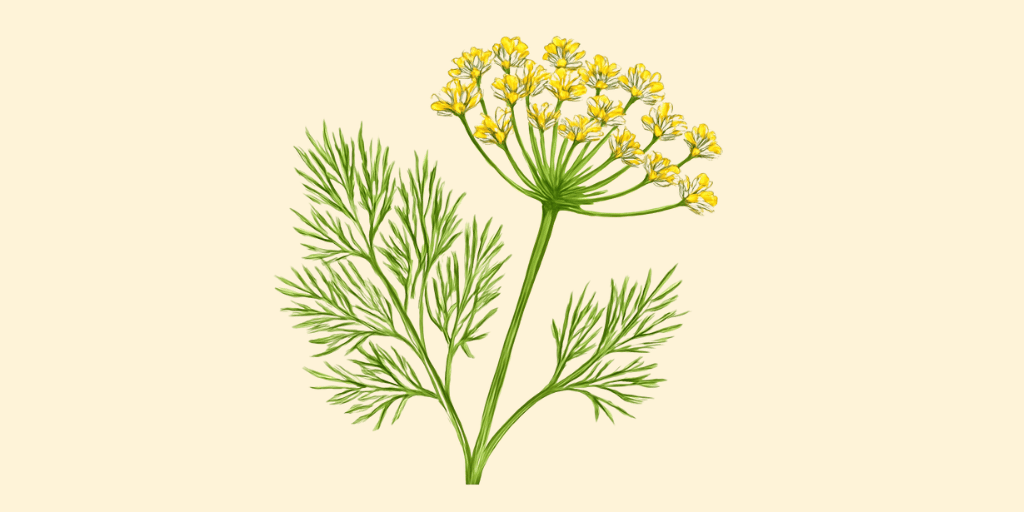
Sanskrit Name: Soya
Devanagari Name: सोया
English Name: Dill
Description:
Dill, also referred to as Sowa, is a fragrant herb commonly used as a spice and flavor enhancer in various dishes. In addition to its culinary uses, Dill is valued in Ayurveda for its strong medicinal qualities. Both the seeds and leaves are harnessed for their health benefits, particularly concerning digestive, respiratory, and urinary wellness.
Known for its Deepan (appetizing) and Pachan (digestive) characteristics, Dill aids in stimulating appetite and enhancing digestion by boosting the body’s Agni (digestive fire). It serves as a natural remedy for bloating, stomach discomfort, and gas due to its effective carminative properties. Dill also contributes to blood sugar regulation by safeguarding pancreatic cells from oxidative stress, attributed to its antioxidant capabilities.
The diuretic properties of Dill make it useful for addressing kidney-related concerns by increasing urine output and purifying the urinary system. Additionally, it provides protective effects for kidney cells against free radical damage.
The herb is esteemed for its ability to promote wound healing; applying Dill oil mixed with coconut and lemon juice can help alleviate spasms and accelerate recovery due to its antimicrobial and anti-inflammatory properties.
Nonetheless, those with allergies to plants in the carrot family, including asafoetida, celery, coriander, and fennel, should be cautious when using Dill. It is advisable to consult a healthcare professional prior to its use.
Benefits:
- Dill is known for its digestive properties, helping to relieve bloating, indigestion, and gas.
- It also has antimicrobial and anti-inflammatory properties that support overall health and help in fighting infections.
- It is beneficial for promoting healthy skin, reducing acne, and improving hair health.
- It supports heart health by reducing cholesterol and improving circulation.
Medical Conditions(Relief):
- Dill provides relief for digestive issues like indigestion, bloating, gas, and nausea.
- Dill is beneficial for respiratory conditions like cough, asthma, and bronchitis.
- It also has antimicrobial, anti-inflammatory, and analgesic properties, useful for skin infections, muscle pain, and promoting detoxification, appetite regulation, and menstrual health.
Medical Conditions(Avoid):
- Individuals with allergies to plants in the carrot family.
- Pregnant women should consult a physician before use.
- May cause skin sensitivity in some individuals.
- Excessive use may lead to gastrointestinal discomfort.

