
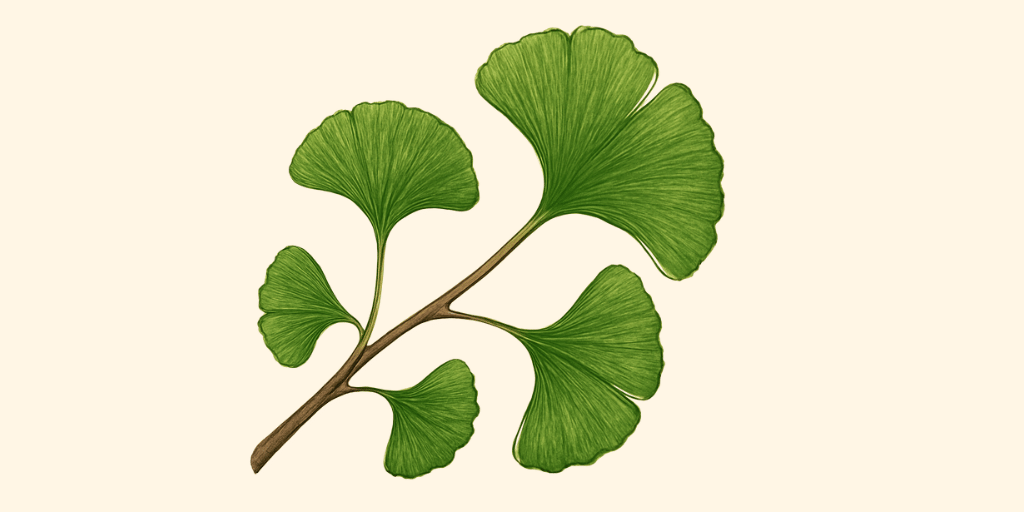
Sanskrit Name: Ginkgo Biloba
Devanagari Name: गिंको बिलोबा
English Name: Ginkgo Biloba
Description:
Ginkgo Biloba, commonly referred to as the Maidenhair Tree, is among the oldest tree species still in existence and has been utilized for centuries in traditional Chinese medicine. The tree’s leaves and seeds have been valued for their healing properties in addressing various ailments, including brain disorders, circulatory problems, and respiratory issues.
Recent studies highlight the benefits of Ginkgo leaf extracts, which are considered safer and more effective than other parts of the plant.Ginkgo leaves are abundant in antioxidants and contain flavonoids and terpenoids that assist in fighting free radicals, thereby protecting against cellular damage. Their anti-inflammatory effects also aid in alleviating numerous health concerns.
Research indicates that Ginkgo Biloba may help in managing anxiety, dementia, and premenstrual syndrome (PMS). New studies also suggest its potential benefits for conditions like schizophrenia, stroke, and vertigo.
Ginkgo is available in various forms, including oral tablets, capsules, extracts, and teas, and is frequently included in skincare products for its soothing and anti-aging benefits. However, it is crucial to avoid the seeds and raw plant material, as they contain toxic substances. When taken as directed, Ginkgo leaf extract is generally well-tolerated, although it may occasionally lead to dizziness, gastrointestinal issues, or headaches.
Benefits:
- Ginkgo Biloba is known for its cognitive-enhancing properties.
- It improves memory, mental clarity, and concentration, making it beneficial for age-related cognitive decline.
- It also helps in improving circulation by dilating blood vessels and supporting heart health.
- It has antioxidant properties, reducing oxidative stress and protecting the brain and body from damage.
- Additionally, it is used to manage anxiety and reduce symptoms of depression.
Medical Conditions(Relief):
- Ginkgo Biloba provides relief for cognitive decline, memory loss, poor circulation, and mental fatigue.
- Ginkgo Biloba enhances mental clarity, focus, and concentration.
- It also supports heart health, improves blood circulation, and has anti-inflammatory properties.
Medical Conditions(Avoid):
- Bleeding disorders or use of blood thinners.
- Pregnancy and breastfeeding without medical advice.
- Scheduled surgeries (discontinue at least two weeks before).
- Allergic reactions or intolerance to Ginkgo components.

