
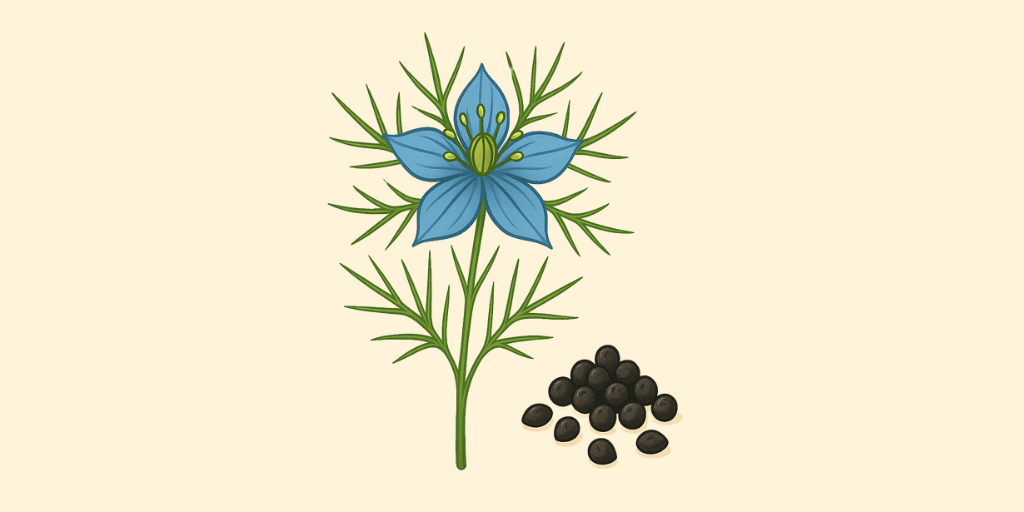
Sanskrit Name: Kalijiri
Devanagari Name: कालीजीरी
English Name: Kalijira (Wild Black Cumin)
Description:
Kalijiri, often referred to as Bitter Cumin, is a widely cultivated herb in India and Southeast Asia. The seeds are brown and have a distinctly bitter flavor, making them challenging to consume raw. Traditionally, they are incorporated into classical Ayurvedic formulations.
The seeds of Kalijiri offer advantages for respiratory issues such as asthma, thanks to their bronchodilator and anti-inflammatory effects. They are also beneficial for vitiligo due to their capacity to enhance melanin production.
In Ayurvedic practices, Kalijiri is included in creams and oils aimed at treating skin infections, attributed to its antibacterial qualities. Additionally, the antioxidants found in Kalijiri facilitate wound healing by speeding up the contraction process.
According to Ayurvedic principles, applying a paste of Kalijiri seeds mixed with Neem or Coconut oil can promote quicker wound healing, leveraging its astringent property.
Benefits:
- Kalijiri is known for its ability to support immune health by reducing inflammation and fighting infections.
- It has antioxidant properties that help protect the body from oxidative stress.
- It is also beneficial for improving digestion, managing diabetes, and promoting heart health by lowering cholesterol levels and improving circulation.
Medical Conditions(Relief):
- Kalijiri provides relief for digestive disorders, respiratory issues, and pain.
- It supports immune health, liver detoxification, and helps with cholesterol regulation.
- It also has antioxidant, anti-inflammatory, and antimicrobial properties, making it useful for skin conditions like eczema and acne.
Medical Conditions(Avoid):
- Kalijiri should be avoided by individuals with allergies to mustard seeds or sesame seeds.
- Pregnant women should use Kalijiri with caution as it may have uterine-stimulating effects.

