
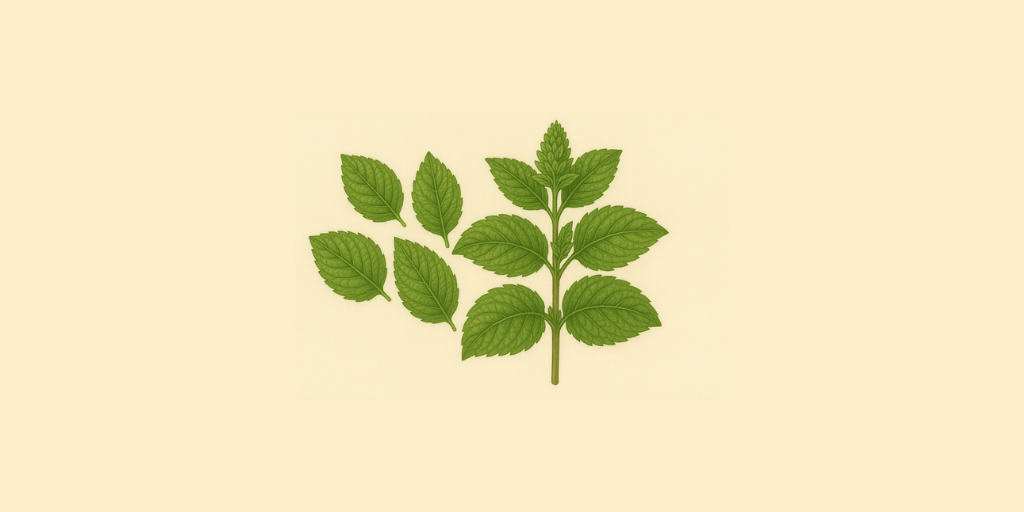
Sanskrit Name:Pudina
Devanagari Name:पुदीना
English Name: Mint
Description:
Pudina, also known as Mint, is a perennial herb found in the temperate regions of India, Europe, and North America. The plant has green, serrated leaves and small purple flowers. Pudina is widely recognized for its digestive, anti-inflammatory, and cooling properties. It is commonly used to treat digestive disorders like indigestion, gas, and bloating by promoting digestive fire (Agni) and relaxing the muscles of the digestive tract. Pudina is also used for respiratory conditions, such as asthma, bronchitis, and sinus infections, as it helps to clear mucus from the airways and soothe inflammation. It has antimicrobial properties, making it beneficial for oral infections, bad breath, and gum diseases. Pudina helps balance Pitta and Kapha doshas, promoting relaxation, mental clarity, and overall health.
Benefits:
- Pudina, or mint, is widely known for its cooling and soothing properties.
- It helps in improving digestion by relieving symptoms of indigestion, bloating, and nausea.
- Pudina also has antimicrobial, anti-inflammatory, and antioxidant properties, making it beneficial for skin health, reducing acne, and soothing skin irritations.
- It promotes respiratory health by easing symptoms of cough and congestion.
- Additionally, mint is known for its ability to reduce headaches, relieve stress, and improve mental clarity.
Medical Conditions(Relief):
- Pudina, or mint, is renowned for its digestive benefits.
- It effectively relieves indigestion, bloating, and gas, promoting smoother digestion.
- It is commonly used to alleviate symptoms of nausea and upset stomach, offering a natural remedy for stomach discomfort.
- Pudina has cooling and soothing properties, which make it beneficial for headaches, particularly tension headaches, by providing a calming effect.
- It also aids in reducing symptoms of respiratory conditions such as asthma, sinus congestion, and colds due to its expectorant properties.
- Mint is also known to support skin health by treating conditions like acne, soothing irritated skin, and reducing skin inflammation.
- Furthermore, it has antimicrobial properties that help in treating infections and promoting oral hygiene.
Medical Conditions(Avoid):
- Pudina should be avoided by individuals with gastroesophageal reflux disease (GERD), as it can relax the lower esophageal sphincter and exacerbate acid reflux.
- It may also trigger allergic reactions in individuals sensitive to mint or menthol.
- Those with sensitive skin should avoid mint oil or other mint-based products, as it can cause skin irritation.
- Pregnant and breastfeeding women should consult their healthcare provider before using Pudina in large quantities, as its effects on pregnancy are not well-studied.

