Sanskrit Name: Ratti
Devanagari Name: रत्ती
English Name: Ratti Seed
Description:
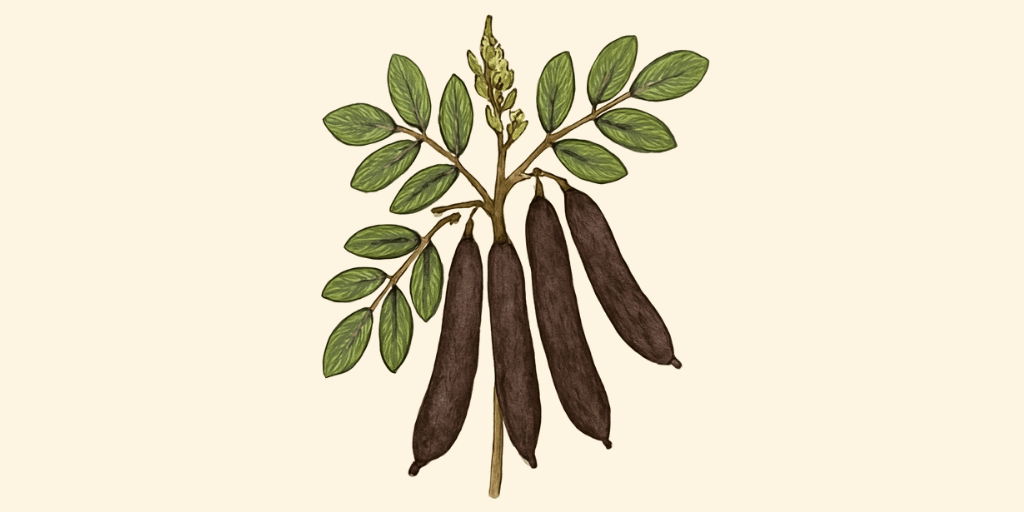
Ratti, also known as Rosary Pea, is a climbing shrub that grows in tropical and subtropical regions of India, Africa, and parts of Asia. It has small, red seeds that are often used in jewelry but have significant medicinal properties. The plant is highly toxic if consumed in large quantities, as the seeds contain the toxic compound abrin, but when used in controlled doses, it has analgesic, anti-inflammatory, and antioxidant properties.
In Ayurveda, Ratti is used to treat pain, swelling, and inflammation related to conditions such as arthritis, muscle pain, and joint discomfort. It is also used for skin conditions like eczema and psoriasis, due to its anti-inflammatory effects. Ratti is a raspanchak and has detoxifying properties, helping the body eliminate toxins and support overall organ health.
However, it is crucial to use Ratti with caution and under the supervision of a healthcare professional, as its toxic nature requires proper dosage control.
Benefits:
- Ratti (Abrus precatorius), also known as Rosary pea, is an Ayurvedic herb with several health benefits.
- It possesses anti-inflammatory, antimicrobial, and antioxidant properties, making it effective for treating conditions like arthritis, digestive issues, and skin problems.
- Ratti also helps detoxify the body, boosts the immune system, and promotes weight loss by enhancing metabolism.
Medical Conditions(Relief):
- Ratti, also known as the rosary pea, is primarily used in Ayurvedic medicine for its benefits in managing digestive disorders, particularly indigestion, bloating, and constipation.
- It is also believed to have antidiabetic properties, as it helps regulate blood sugar levels.
- Additionally, Ratti has astringent and anti-inflammatory properties, making it useful for managing conditions like arthritis and joint pain.
- The herb is also used to support the immune system and act as an antimicrobial agent, fighting off infections.
Medical Conditions(Avoid):
- Ratti should be avoided by individuals with allergies to legumes or those sensitive to its seeds.
- It should be avoided by pregnant women due to its toxic properties when consumed in large quantities.
- Ratti is also contraindicated for individuals with kidney disorders or those prone to kidney stones, as its seeds contain toxic compounds that may harm the kidneys.

