
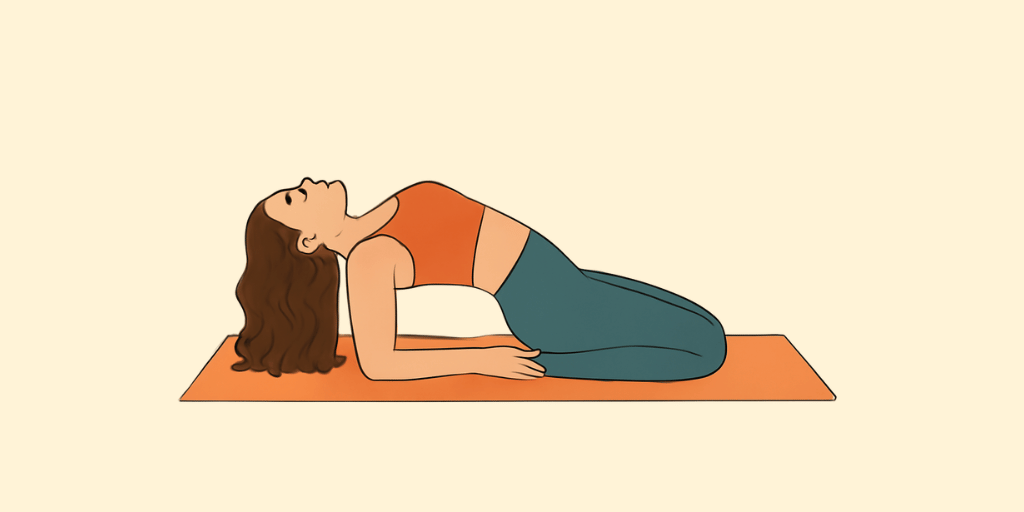
Sanskrit Name: मत्यासन
English Name: Fish pose
Description
Matsyasana, known as Fish Pose, is a yoga position focused on expanding the chest and creating space within the body, particularly along the spine. This pose mimics the graceful movement of a fish in water, forming a beautiful backbend that stretches the front of the body while fortifying the back.
In Hindu mythology, Matsya refers to Lord Vishnu’s first avatar, who transformed into a fish to rescue the sacred Vedas from a catastrophic flood. This adds a layer of symbolism related to protection, strength, and the capacity to navigate through challenging circumstances.
The term Matsya translates to fish in Sanskrit, while asana means pose or posture, making Matsyasana directly translate to Fish Pose. The name reflects the body’s shape in the pose, resembling a fish. Beyond its physical form, the pose embodies the symbolic strength and resilience of the fish, and more profoundly, the tale of Lord Vishnu’s Matsya avatar. It signifies the ability to gracefully overcome challenges. This pose has been practiced for centuries to enhance flexibility and strength, particularly in the chest and spine.
How to Do
Here are the steps to do Matsyasana (Fish Pose).
- Lie on Your Back: Start by lying flat on your back with your legs extended and your feet together. Place your arms by your sides, palms facing down.
- Lift Your Chest: Inhale and lift your chest off the floor slightly, arching your back. Press the forearms and elbows firmly into the floor.
- Place Your Hands Under Your Hips: Slide your hands under your hips with your palms facing down, ensuring your elbows are pressed into the ground.
- Lift Your Head and Shoulders: As you inhale, press your elbows into the floor to lift your upper body further. Gently drop the crown of your head towards the floor, allowing your neck to relax.
- Open Your Chest: Lift your chest higher, expanding it open and drawing your shoulder blades together. Allow your throat to open and your neck to stretch.
- Straighten Your Legs: Keep your legs extended and engaged, pressing your thighs firmly into the floor. Your feet should be relaxed, pointing straight ahead.
- Arch Your Back: As you open your chest, create an arch in your back. The weight should be supported by your elbows, and your head should gently touch the floor or remain lightly resting on the ground (without straining).
- Focus on Your Breathing: Hold the position for 15–30 seconds, breathing deeply and evenly. Focus on expanding your chest and relaxing your neck.
- Release the Pose: To come out of the pose, press your elbows into the floor and lift your head off the ground. Gently lower your back to the floor, releasing your hands from under your hips.
- Rest: Rest in Savasana (Corpse Pose) for a few moments after releasing Matsyasana to allow your body to relax.
If you have neck issues, you can support your head with a cushion or blanket.
Benefits
- Incorporating Matsyasana into a regular yoga practice can yield significant physical and mental health benefits.
- Matsyasana, or Fish Pose, can be beneficial for various medical conditions.
- It may help alleviate respiratory issues by expanding the chest and improving lung capacity.
- Additionally, it can aid in relieving tension in the neck and shoulders, which is beneficial for those suffering from stress or anxiety.
- Furthermore, this asana may assist in improving digestion and can be helpful for individuals dealing with gastrointestinal discomfort.
- Overall, Matsyasana promotes relaxation and enhances overall well-being.
Medical Conditions(Relief)
- Improves Flexibility: Matsyasana stretches the spine, chest, and shoulders, enhancing overall flexibility and mobility.
- Stimulates Organs: This asana stimulates the organs of the abdomen, promoting digestion and improving liver and kidney function.
- Relieves Stress: The pose helps to reduce stress and anxiety by opening the heart and promoting a sense of calm.
- Alleviates Respiratory Issues: By expanding the chest and lungs, Matsyasana can improve respiratory function and increase lung capacity.
- Eases Menstrual Discomfort: It can help alleviate menstrual discomfort and symptoms associated with menopause.
- Promotes Better Posture: Regular practice helps in correcting posture and alleviating tension in the neck and back.
- Promotes blood circulation: Matsyasana encourages better blood circulation, which can lead to improved overall health.
Medical Conditions(Avoid)
- Neck Injuries: Individuals with neck injuries should avoid this pose as it places strain on the neck.
- Back Issues: Those with severe back problems, such as herniated discs or chronic back pain, may exacerbate their condition.
- Recent Surgery: Post-operative patients, especially those who have undergone abdominal or spinal surgery, should refrain from this asana until fully healed.
- Heart Conditions: Individuals with heart problems should consult a physician before attempting this pose, as it can affect blood circulation.
- Pregnancy: Pregnant women are advised to avoid Matsyasana, particularly in later stages, due to the pressure it places on the abdomen.
References
- Patanjali, Yoga Sutras of Patanjali, Commentary by Swami Sivananda. Divine Life Society, 1990; p. 58.
- Swatmarama, Hatha Yoga Pradipika, Edited by Swami Muktibodhananda. Bihar School of Yoga, 1998; p. 72.
- Sushruta, Sushruta Samhita, Commentary by Acharya Y.T. (5th ed.). Varanasi: Chaukambha Orientalia, 1992; p. 445.
- Krishnamacharya, Yoga Makaranda, Translated by A.G. Mohan. Krishnamacharya Yoga Mandiram, 2012; p. 103.
- Iyengar B.K.S., Light on Yoga. HarperCollins Publishers, 1966; p. 102.
- Desikachar T.K.V., The Heart of Yoga: Developing a Personal Practice. Inner Traditions, 1995; p. 88.
- Jois K. Pattabhi, Yoga Mala. The Yoga Institute, 2002; p. 120.
- Swami Vivekananda, Raja Yoga. Advaita Ashrama, 1993; p. 61.
- Swami Sivananda, The Science of Pranayama. Divine Life Society, 1951; p. 99.
- Sivananda Yoga Vedanta Centres, Yoga and Health. Sivananda Publications, 2005; p. 45.

