
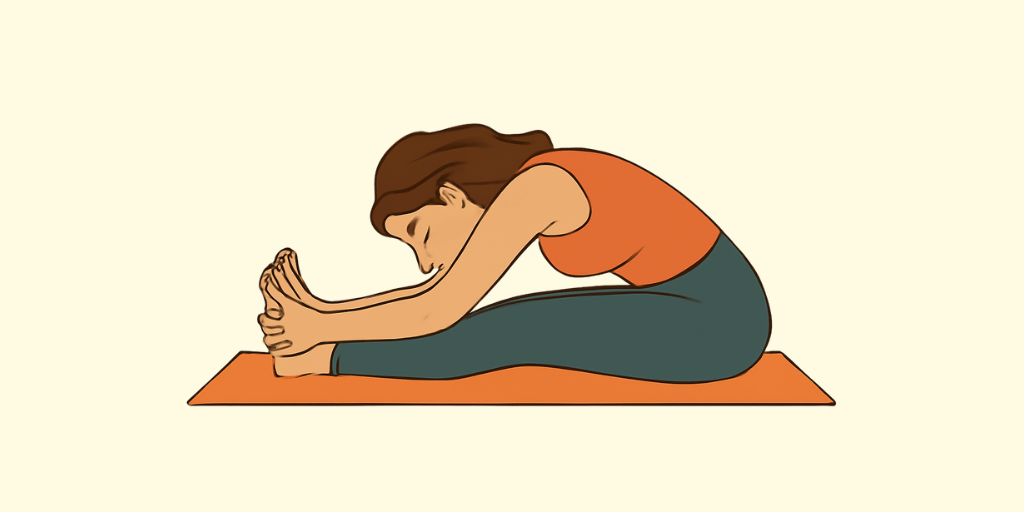
Sanskrit Name: पश्चिमोत्तानासन
English Name: Seated Forward Bend
Description:
Paschimottanasana, also known as Seated Forward Bend, offers a comprehensive stretch that benefits the back, hamstrings, and shoulders. This pose allows for a lengthening and release of tension from your toes to your head. The Sanskrit term Paschima (पश्चिम) refers to the back or west of the body, while Uttana (उत्तान) signifies an intense stretch or forward bending. Asana (आसन) translates to pose or posture. Therefore, Paschimottanasana can be understood as the West Stretch Pose or Seated Forward Bend, emphasizing the backward region of the body that is stretched and folded forward. This pose has significant origins in Hatha Yoga. Think of Paschimottanasana as a method to slow down and gently elongate your body, providing a calming stretch for your back after a long day, while also offering a mental respite.
Benefits:
Paschimottanasana, also known as the Seated Forward Bend, offers several therapeutic benefits. Practicing this asana can help improve flexibility in the hamstrings and lower back, promoting better posture and reducing tension in the spine. It aids in calming the mind, alleviating stress and anxiety, and can enhance digestion by stimulating the abdominal organs. Furthermore, it may relieve symptoms of menstrual discomfort and alleviate sciatica pain. Regular practice can also encourage a sense of emotional stability and relaxation, contributing to overall mental well-being.
Medical Conditions(Relief):
Paschimottanasana, also known as the Seated Forward Bend, can be beneficial for several medical conditions. It aids in alleviating stress and anxiety, promoting relaxation and mental clarity. This asana can improve flexibility in the spine and hamstrings, which may help those with back pain or sciatica. Additionally, it stimulates the digestive system, potentially aiding in issues such as constipation and improving overall gut health. Furthermore, it can enhance blood circulation and help regulate blood pressure, making it useful for individuals with hypertension. Overall, Paschimottanasana serves as a holistic approach to improving both physical and mental well-being.
Medical Conditions(Avoid):
- Back Injuries: Individuals with acute or chronic back pain, herniated discs, or spinal injuries should avoid this asana to prevent exacerbating their condition.
- Hamstring Injuries: Those with strains or tears in the hamstrings may find this pose aggravating, as it places significant stress on these muscles.
- Pregnancy: Pregnant women should avoid this pose, especially in the later stages, as it compresses the abdomen and can be uncomfortable or harmful.
- Digestive Disorders: Conditions like hernias or severe gastrointestinal issues may be worsened by the forward bending motion.
- Carpal Tunnel Syndrome: Those suffering from this condition should be cautious, as the position can increase pressure on the wrists.
- Severe Sciatica: Individuals experiencing severe sciatic pain should refrain from this pose, as it can intensify discomfort.
- Recent Surgeries: Anyone who has undergone recent abdominal or spinal surgery should avoid this asana until fully healed.

