
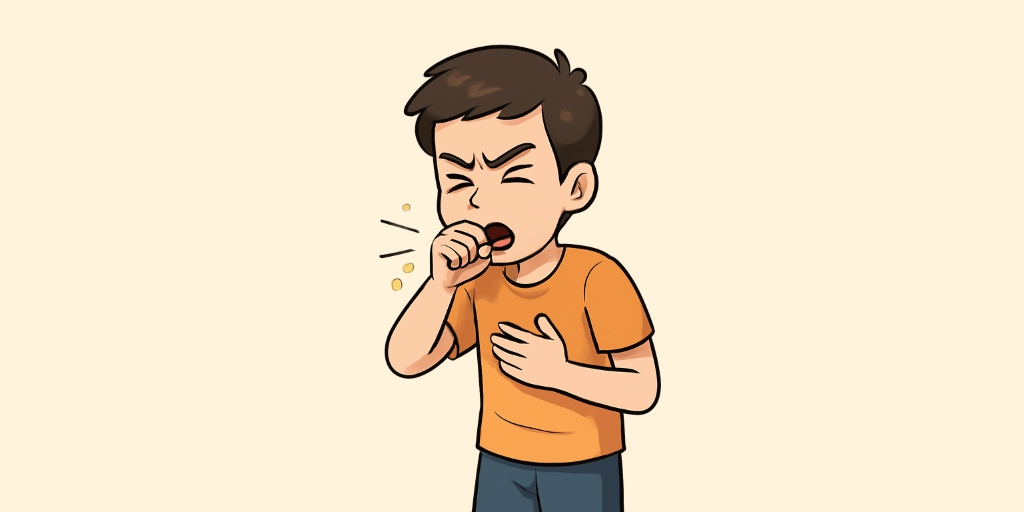
Ayurvedic Name: Kaas
Description:
Kaas refers to chronic cough, which can be dry or productive, resulting from aggravated Vata, Pitta, or Kapha in the respiratory system. Vataja Kaas presents as dry cough with hoarseness, Pittaja Kaas as burning throat with yellowish phlegm, and Kaphaja Kaas as mucus-laden expectoration. It may result from infections, allergies, smoking, or weak lung function.
Ayurvedic remedies include Sitopaladi Churna, Yashtimadhu, Pippali, and herbal steam inhalation to soothe the respiratory tract and expel phlegm.
Signs & Symptoms:
- Kasa (Cough): Persistent or recurrent coughing, often dry or with sputum.
- Shwasa (Breathlessness): Difficulty breathing or wheezing, particularly during or after coughing episodes.
- Dourbalya (Weakness): General weakness and fatigue after prolonged coughing fits.
- Rukshata (Dryness): Dry throat and mouth, particularly in cases of a dry, non-productive cough.
- Karna Kshweda (Tinnitus): Ringing in the ears due to the pressure exerted on the head from persistent coughing.
- Gaurava (Heaviness in the Chest): A feeling of heaviness or tightness in the chest due to frequent coughing.
Diagnosis:
Auscultation and Sputum Test
Risk Factors:
- Dietary Factors
Excessive Dairy and Sugar Intake: Dairy products and sugary foods can thicken mucus and aggravate coughs, particularly in individuals with respiratory issues.
Spicy or Acidic Foods: Overconsumption of spicy foods or acidic drinks can irritate the throat and exacerbate coughing. - Lifestyle Factors
Exposure to Pollutants and Allergens: Frequent exposure to environmental pollutants, dust, or allergens can trigger persistent coughing or worsen existing conditions.
Smoking: Smoking irritates the airways and is a major cause of chronic cough and respiratory issues. - Medical Conditions
Respiratory Infections: Viral or bacterial infections, such as the common cold, flu, or pneumonia, can lead to acute or chronic coughing.
Asthma and COPD: Chronic conditions like asthma or chronic obstructive pulmonary disease (COPD) often involve persistent coughing as a symptom.
Complications:
- Chronic Respiratory Issues (Shwasa Vikara): Persistent coughing can lead to chronic respiratory conditions, including bronchitis or asthma.
- Lung Damage (Shwasa Kshaya): Long-term, untreated coughing can cause damage to lung tissue, reducing lung function.
- Excessive Mucus Production (Shleshma Vikara): Continuous coughing can lead to excessive mucus production, which may aggravate conditions like COPD or pneumonia.
- Hoarseness (Vakta Vikruti): Prolonged coughing can irritate the vocal cords, leading to a hoarse voice or voice loss.
- Sleep Disruption (Nidra Vikruti): Chronic cough can disturb sleep, leading to fatigue, irritability, and reduced overall health.
Epidemeology:
Affects 40-50% of the population at some point, with acute cough being more common during seasonal changes or with viral infections. Chronic cough (lasting more than 8 weeks) affects about 10-20% of adults, particularly those with respiratory conditions like asthma, COPD, or smokers.
Higher prevalence in children and the elderly, especially in regions with poor air quality or high exposure to pollutants. More common in colder months due to respiratory infections like the flu, cold, or pneumonia.
References:
- Charaka. Charaka Samhita. Pt. Rajeswara Datta Shastri, Editor. Chikitsasthana 18/6, Chaukhambha Bharati Academy, Varanasi, Reprinted, 2011; 532.
- Sushruta. Sushruta Samhita, Kaviraj Ambika Dutta Shashtri, Editor, Chaukhambha Sanskrit Sansthan, Varanasi, Reprint, 2012; II. Uttartantra 52.
- Vaghbhatta. Astanga Sangraha. Atrideva Gupta, Editor, Chaukhamba Krishnadas Academy, Varanasi, Printed, 2005; Nidanasthana 3/43.
- Vaghbhatta. Astanga Sangraha. Atrideva Gupta, Editor, Chaukhamba Krishnadas Academy, Varanasi, Printed, 2005; Chikitsasthan 4.
- Vaghbhatta. Astanga Hridaya. Atrideva Gupta. Editor, Chaukhambha Prakashan, Varanasi, Reprint, 2012; Chikitsasthan
- https://www.researchgate.net/publication/361809387_KASA_A_CRITICAL_REVIEW_IN_AYURVEDA_WITH_SPECIAL_REFERENCE_TO_PATHYA-APATHYA

