
Ayurvedic Name: Shwas
Description:
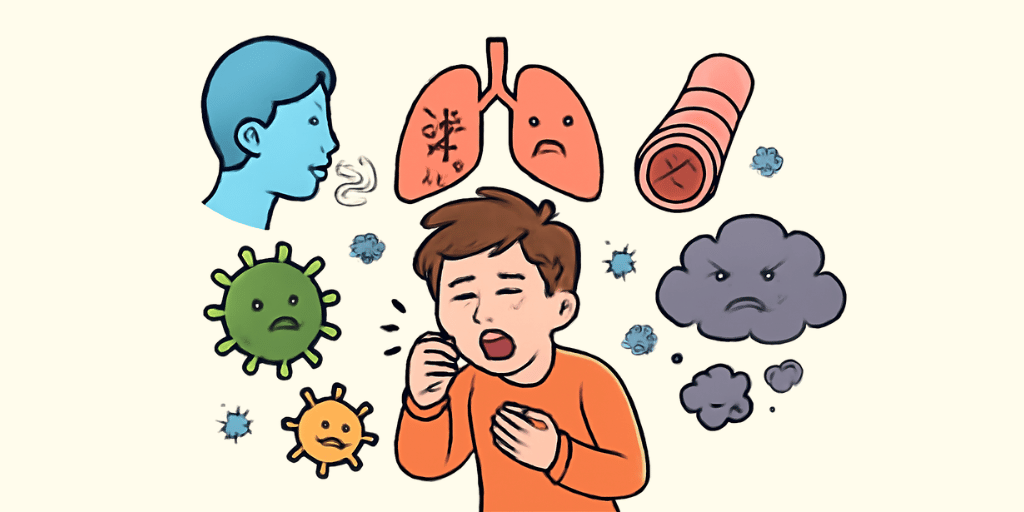
Shwasa Roga refers to respiratory disorders, including asthma, chronic bronchitis, and dyspnea, resulting from Vata and Kapha obstruction in the lungs. Symptoms include breathlessness, chest tightness, wheezing, and mucus accumulation. It is often aggravated by cold weather, allergens, pollution, or excessive Kapha buildup. Ayurvedic treatment includes Pranayama (breathing exercises), herbal remedies like Vasaka, Pippali, and Haridra, and therapies like Swedana and Nasya to clear airway congestion.
Signs & Symptoms:
- Shwasa Rogas (Respiratory Disorders): Difficulty breathing, often associated with wheezing or chest tightness.
- Kasa (Cough): Persistent cough, particularly at night or early morning.
- Shwasa (Breathlessness): Shortness of breath, often triggered by exertion or exposure to allergens.
- Vishama Agni (Irregular Digestion): Digestive irregularities often due to a combination of stress and breathing issues.
- Rukshata (Dryness): Dryness in the respiratory passages, leading to irritation or soreness.
- Dourbalya (Weakness): General fatigue and weakness due to reduced oxygen intake.
Diagnosis:
Pulmonary Function Test (PFT) and Chest X-ray
Risk Factors:
- Dietary Factors
Excessive Consumption of Dairy or Processed Foods: These can increase mucus production and aggravate conditions like asthma, bronchitis, and other respiratory disorders.
Low Antioxidant Intake: Diets low in fruits, vegetables, and omega-3 fatty acids may contribute to inflammation in the respiratory system. - Lifestyle Factors
Smoking and Secondhand Smoke Exposure: Smoking and exposure to secondhand smoke is a leading cause of chronic respiratory disorders like COPD and lung cancer.
Sedentary Lifestyle: Lack of physical activity can weaken the respiratory muscles and contribute to difficulty breathing. - Medical Conditions
Asthma and Allergies: These conditions lead to inflammation and constriction of the airways, causing wheezing, shortness of breath, and coughing.
Chronic Obstructive Pulmonary Disease (COPD): Conditions such as chronic bronchitis or emphysema cause long-term breathing difficulties.
Complications:
- Chronic Obstructive Pulmonary Disease (COPD) (Shwasa Vikara): Prolonged respiratory issues can lead to COPD, causing long-term breathing difficulties.
- Pulmonary Hypertension (Shwasa Vyapada): Chronic respiratory disorders can result in increased pressure in the lungs’ blood vessels, leading to heart failure.
- Respiratory Failure (Shwasa Nirvasan): Severe cases of untreated respiratory disorders can result in respiratory failure, requiring mechanical ventilation.
- Lung Infections (Shwasa Shotha): Chronic respiratory conditions can increase the risk of bacterial or viral infections in the lungs.
- Sleep Apnea (Shwasa Vikara): Conditions like asthma and COPD can cause sleep apnea, disrupting the sleep cycle and causing fatigue.
Epidemeology:
Affects about 10-15% of the population, with higher rates in children, elderly adults, and those with chronic illnesses like asthma, COPD, and tuberculosis.
Smoking and exposure to air pollution are significant risk factors for developing chronic respiratory conditions.
Prevalence is higher in developing countries due to environmental factors like pollution and poor access to healthcare.
Globally, respiratory diseases are one of the leading causes of morbidity and mortality, particularly in regions with high smoking rates and air pollution.

