
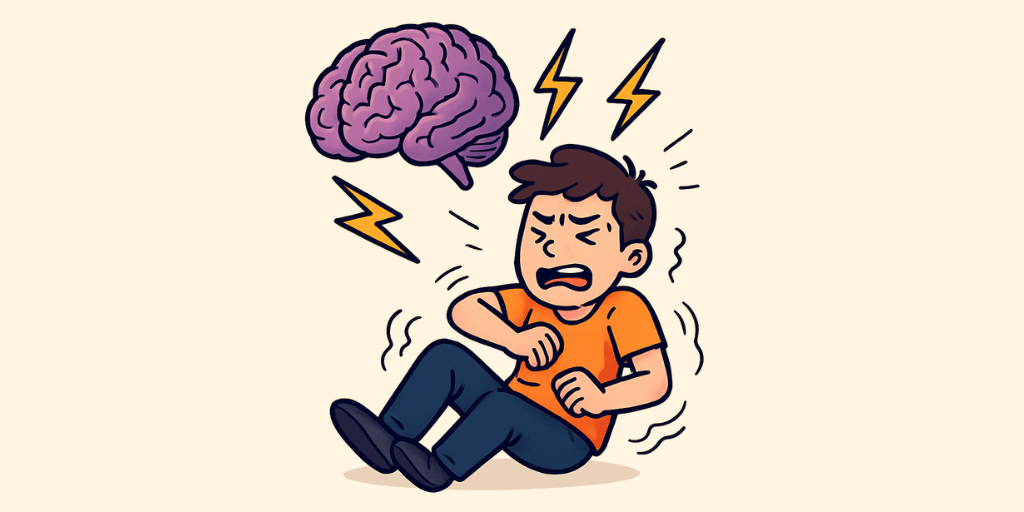
Ayurvedic Name: Apasmar
Description
Apasmar is epilepsy, a neurological disorder characterized by recurrent seizures. Ayurveda associates it with an imbalance in Vata and Kapha doshas, affecting the nervous system and brain function. It is believed to be resulting from mental stress, improper diet, and genetic factors. Treatments include herbal medicines like Brahmi and Ashwagandha, Panchakarma therapies, and meditative practices to stabilize the mind.
Signs & Symptoms
- Palitya (Premature Graying of Hairs): Early graying of hair due to an imbalance in the body’s doshas.
- Vata Dosa: Vāta derangement affects the pigmentation of hair, causing premature graying.
- Pitta Dosa: Pitta excess may cause the natural color of hair to fade prematurely.
- Rakta: Impaired Rakta circulation leads to early graying of the hair.
Diagnosis
EEG (Electroencephalogram)
Risk Factors
- Dietary Factors: Eating foods that are rich in unhealthy fats, refined sugars, and processed foods can lead to poor brain health and cognitive function, contributing to conditions like Apasmar. An imbalanced diet can lead to nutritional deficiencies, impacting brain function and mental health.
- Lifestyle Factors: High levels of stress, lack of sleep, and excessive mental exertion can contribute to mental fatigue and cognitive decline, leading to disorders like Apasmar. A sedentary lifestyle can also affect brain function, increasing the likelihood of mental disorders.
Complications
- Seizures (Apasmar): Sudden and involuntary shaking or loss of consciousness due to neurological imbalances.
- Mental Confusion (Moha): Disorientation or loss of mental clarity, often occurring during or after seizure episodes.
- Fatigue (Alpashakti): Extreme tiredness following seizures or neurological disturbances.
Epidemeology
Apasmar (Seizures) is a neurological disorder characterized by the occurrence of sudden, uncontrolled electrical disturbances in the brain. It is more common in individuals with epilepsy, head trauma, or brain infections. The prevalence is higher in children and older adults. Lifestyle factors, such as poor sleep, high stress, and alcohol consumption, can trigger seizures in susceptible individuals.
References:
- Singh RH. Charak Samhita, Chikitsa Sthana 10/3. Delhi, India: Chaukhambha Surbharati Prakashana; 2006.p. 474.
- Susruta. Susruta Samhita Uttara Tantra, English Translation by- K.R. Srikanta Murthy, Chaukhambha Orientalia Prakashana. 3rd Edition 2008, Chapter 61 Apasmara pradesha, Verse 3.Page.nos.403.
- Shastri A. Sushruta Samhita, Uttara Tantra 61/3. Vara-nasi, India: Chaukhamba Sanskrit Sansthana; 2007p. 81
- Upadhyaya Y. Madhav Nidan, Madhukosh Tika, Apasmara Nidana 21/1. Varanasi, India: Sanskrit Sansthana; 2002. p.45.
- Mishra UK, Kalpita J. Clinical Electroencephalography. 1st ed. Vol. 17. Gurgaon, Haryana: Elsevier Publishers; 2009. p. 371-3.
- Sharama Govinda K et al., (2013). Review article Critical Appraisal on Formulations of kousheyashma (Asbestos), Journal of Biological and Scientific Opinion. Vol I (3), Moksha Publishing House.228
- https://iamj.in/posts/2022/images/upload/2177_2181.pdf

