
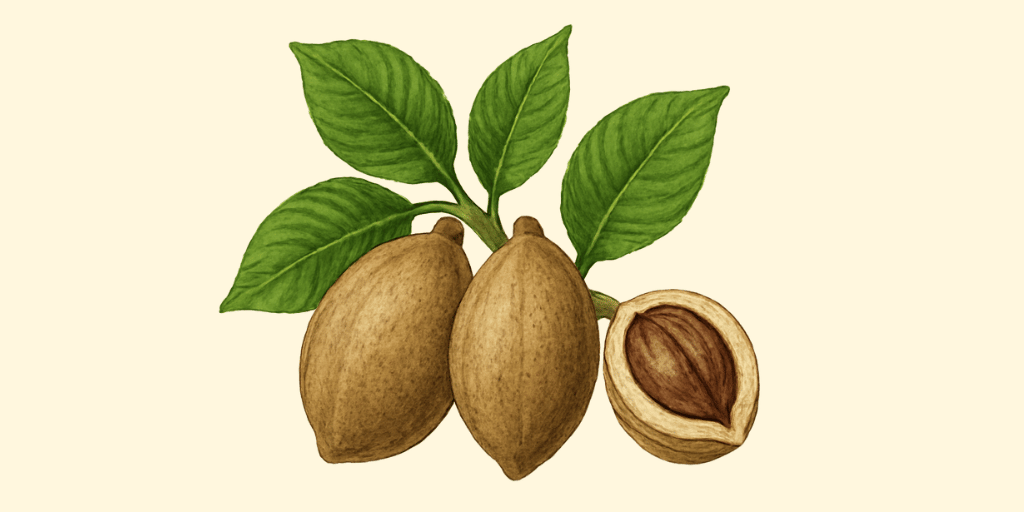
Sanskrit Name: Baheda
Devanagari Name: बहेड़ा
English Name: Belliric Myrobalan
Description:
The Belliric Myrobalan, referred to as Vibhitaki in Sanskrit, translates to ‘fearless’. According to Indian folklore, this tree was believed to be home to demons, and anyone who rested beneath its branches was at risk of an assault.
Terminalia bellerica, commonly known as Baheda in Ayurvedic medicine, is a significant herb in the traditional Indian system of medicine. It is one of the three ingredients in the Triphala formulation, alongside Amalaki and Haritaki, and is known for its detoxifying and rejuvenating properties.
Baheda is a deciduous tree native to India, bearing large fruits that are brown and have a distinctive bitter taste. It is traditionally used to treat a wide range of health conditions, particularly those related to the digestive system and respiratory health. Baheda is considered to balance all three doshas – Vata, Pitta, and Kapha.
Benefits:
- Belliric Myrobalan, or Vibhitaki, offers several therapeutic benefits.
- It is effective for stomach disorders such as diarrhea, indigestion, constipation, and worm infestations.
- Additionally, it helps alleviate cough and is used in Ayurvedic treatments for eye disorders.
- The herb is a key component in formulations like Mentat, Mentat syrup, and Ophthacare, contributing to its overall medicinal properties.
- It is a potent herb known for its detoxifying effects on the body, particularly its ability to support the digestive system.
- It is known to aid in digestive health, promoting better absorption and the elimination of toxins.
- It helps in relieving constipation and is often used to regulate bowel movements and cleanse the colon.
- Its antioxidant properties help combat free radical damage, supporting skin health and cellular rejuvenation.
- It also supports the respiratory system by easing symptoms of cough, asthma, and bronchitis.
- Additionally, it is used to manage blood sugar levels, making it beneficial for individuals with diabetes.
- It has anti-inflammatory, antibacterial, and antiviral properties that help fight infections and improve overall immunity.
Medical Conditions(Relief):
- It is primarily used to relieve conditions related to digestion and respiratory health.
- It is beneficial in managing constipation, digestive disorders, and gastritis due to its mild laxative and anti-inflammatory effects.
- It is helpful in treating respiratory conditions such as cough, asthma, and bronchitis, acting as an expectorant to clear mucus from the lungs and ease breathing.
- It is also widely used to manage diabetes by regulating blood sugar levels and improving insulin sensitivity.
- Additionally, its antioxidant properties support skin health, reduce inflammation, and may assist in the management of conditions like arthritis.
- It can help detoxify the liver and improve immunity, making it a valuable herb in promoting overall well-being.
Medical Conditions(Avoid):
- Baheda is generally safe for most individuals when used appropriately; however, it should be used with caution in certain conditions.
- It may cause loose stools or diarrhea if taken in excessive amounts, especially for individuals with a sensitive stomach or irritable bowel syndrome (IBS).
- It is not recommended for individuals with low blood pressure (hypotension) as it may have a hypotensive effect, potentially exacerbating the condition.
- People with gastritis or a sensitive stomach should avoid consuming Baheda in large doses due to its strong astringent nature, which may irritate the gastrointestinal tract.
- Pregnant or breastfeeding women should consult with a healthcare professional before using Baheda, as its effects on pregnancy and lactation have not been fully studied.

