
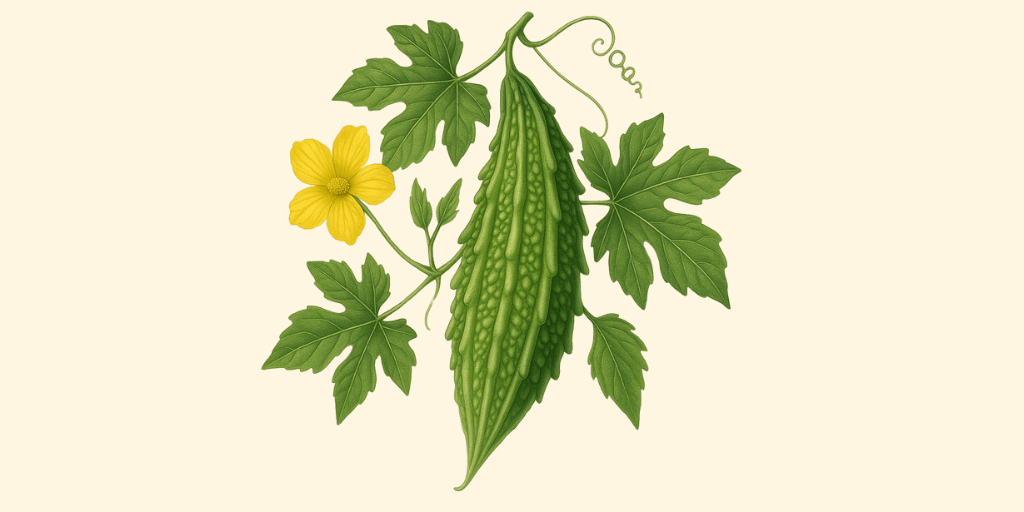
Sanskrit Name: Karela
Devanagari Name: करेला
English Name: Bitter Gourd, Carilla Fruit
Description:
Karela, also known as Bitter Gourd (Momordica charantia), is a tropical vegetable commonly used in Ayurvedic medicine for its potent medicinal properties. It has a bitter taste (tikta rasa) and cooling potency (shita virya), making it highly effective for managing Pitta dosha imbalances.
The fruit is typically used in various forms like juice, powder, or cooked dishes. Karela is renowned for its anti-diabetic properties and is often used to regulate blood sugar levels. In addition, it supports digestion, detoxification, and overall metabolic health. It has a long history of use for its antioxidant, anti-inflammatory, and antiviral benefits.
Bitter Gourd is frequently suggested in Ayurveda as a health booster. Recent research has shown that this vegetable contains a ‘plant-insulin’ that aids in reducing blood sugar levels. Additionally, the juice from the plant is recognized for its ability to alleviate alcohol intoxication by detoxifying and healing the liver.
Benefits:
- Karela is particularly known for its anti-diabetic effects, as it helps in lowering blood sugar levels by increasing insulin sensitivity and stimulating insulin production in the pancreas.
- It also promotes digestive health, aiding in the treatment of constipation and gastric issues due to its bitterness.
- Regular consumption of Karela is known to support liver function, acting as a detoxifier and purifying agent.
- Its high antioxidant content helps combat oxidative stress, promoting overall skin health and reducing inflammation.
- Additionally, Karela is used to manage cholesterol levels, improve blood circulation, and boost the immune system.
- It lowers blood sugar levels and purifies the blood.
- It acts as a natural laxative, helping to relieve constipation when consumed regularly.
- It can be used to treat skin diseases, including psoriasis.
- The vegetable is rich in beta-carotene and contains p-insulin, which is similar to bovine insulin, making it beneficial for eye health and diabetes management.
Medical Conditions(Relief):
- Karela offers relief from several medical conditions, particularly diabetes by helping regulate blood sugar levels.
- It is beneficial for managing digestive disorders, such as constipation, gas, and bloating due to its high fiber content and ability to stimulate bile production.
- Karela also supports the liver in detoxifying the body and is often used in managing jaundice and improving liver function.
- It helps in reducing cholesterol and preventing atherosclerosis by improving circulation and reducing oxidative damage.
- Furthermore, its anti-inflammatory and antioxidant properties make it useful for conditions such as arthritis, psoriasis, and skin inflammations.
- Karela is also used in the treatment of fevers, infections, and skin conditions like acne due to its antimicrobial and antiviral benefits.
Medical Conditions(Avoid):
- Karela should be avoided or used cautiously in certain medical conditions.
- It is not recommended for individuals who have low blood sugar (hypoglycemia) or those already on anti-diabetic medications as it may further lower blood sugar levels, potentially leading to hypoglycemia.
- Due to its bitter properties, it may irritate the stomach in individuals with gastritis, ulcers, or a sensitive stomach.
- Pregnant women should avoid Karela, especially its unripe fruit, as it may cause uterine contractions and lead to potential miscarriage in some cases.
- Karela may also interfere with medications used for high blood pressure, and people with hypotension should avoid it unless supervised by a healthcare provider.
- Additionally, those with allergies to plants in the Cucurbitaceae family should avoid consuming Karela.

