
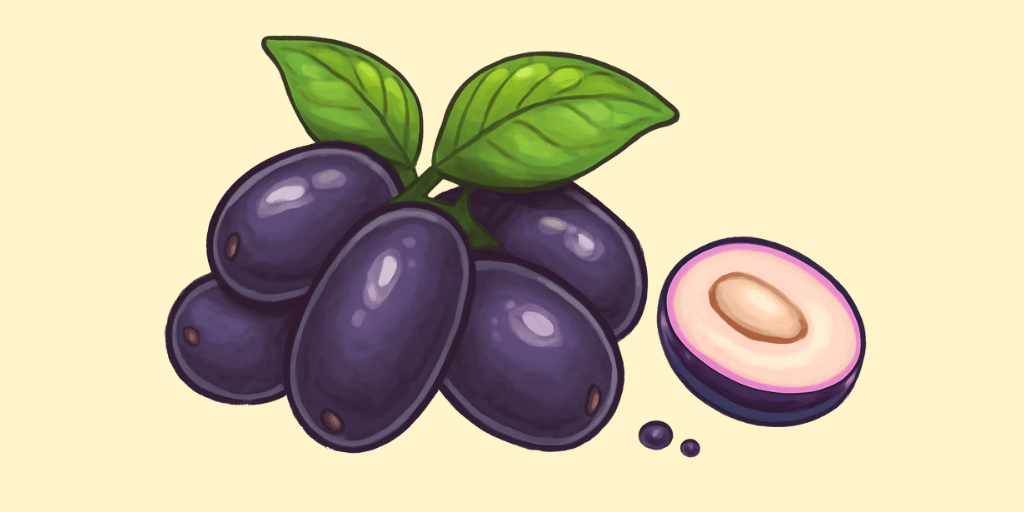
Sanskrit Name: Jamun
Devanagari Name: जामुन
English Name: Indian Black Plum
Description:
Jamun, also known as Syzygium cumini, is a large, evergreen tropical tree with a dense crown, oblong glossy leaves, and purplish-black, oblong fruits. Native to India, it is widely cultivated for its fruit and medicinal properties.
In Ayurveda, Jamun is revered for its kashaya (astringent), kapha-pitta-hara, and pramehaghna (anti-diabetic) properties. The fruit pulp, seed powder, bark, and leaves are used in managing diabetes and digestive issues.
Benefits:
- Black Plum, also known as Java Plum or Jambolan, offers several therapeutic benefits.
- It is primarily used for its ability to lower blood sugar levels due to the presence of malic acid.
- Additionally, it possesses anti-inflammatory properties that help alleviate joint pain associated with conditions like rheumatism and arthritis.
- The fruit also aids in relieving stomach ailments.
Medical Conditions(Relief):
- Jamun, or Indian blackberry, is known for its beneficial effects on blood sugar regulation.
- It is widely used in treating diabetes due to its ability to lower blood sugar levels and improve insulin sensitivity.
- Jamun is also rich in antioxidants, particularly anthocyanins, which help protect the body from oxidative stress and reduce the risk of chronic diseases.
- The fruit is beneficial for digestive health, helping to treat constipation and improve gut motility.
- It also has antimicrobial properties and is used for treating skin conditions and infections.
Medical Conditions(Avoid):
- Jamun should be avoided by individuals with low blood sugar levels or those already on diabetes medication, as it can cause hypoglycemia (low blood sugar).
- Pregnant women should consume Jamun in moderation, as its effects during pregnancy are not well-researched.
- People with an allergy to the Myrtaceae family may experience allergic reactions.

