
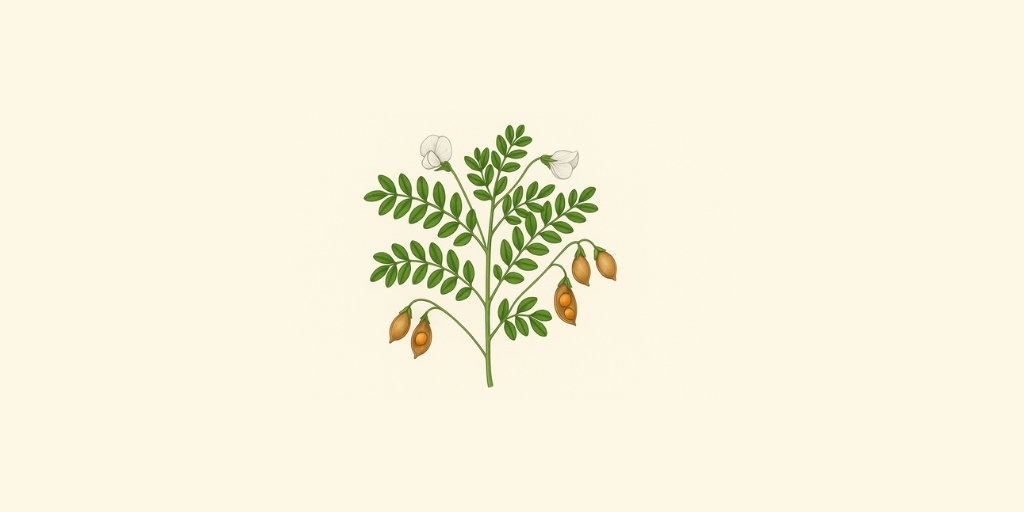
Sanskrit Name:Masoor
Devanagari Name:मसूर
English Name: Red Lentil
Description:
Masoor, also known as Red Lentil, is a legume commonly found in India, Africa, and Southeast Asia. The plant grows to a height of about 30-40 cm, with compound leaves and small, round red or orange seeds. It is widely valued for its digestive, anti-inflammatory, and nutritive properties. Red lentils are rich in protein, fiber, and essential vitamins such as Vitamin B1, B6, and folate, making them an excellent dietary staple. Masoor is commonly used to treat digestive issues like indigestion, bloating, and constipation due to its ability to improve digestive fire (Agni). The lentil’s high fiber content helps with bowel regularity. It also promotes skin health, reduces oxidative stress, and balances Vata and Kapha doshas. Its high iron content is beneficial for anemia, improving energy levels and blood health. The lentil is often included in weight management plans as it helps promote satiety and is a great source of plant-based protein.
Benefits:
- Lentils are an excellent source of plant-based protein, fiber, and essential vitamins and minerals such as folate, iron, and magnesium.
- They are beneficial for heart health by reducing cholesterol levels and improving circulation.
- Lentils support digestive health, aid in weight management, and help stabilize blood sugar levels.
- They also promote bone health, support muscle repair, and provide sustained energy.
Medical Conditions(Relief):
- Masoor, or red lentil, is a rich source of protein, fiber, and essential minerals such as iron, magnesium, and folate.
- It is often used in Ayurveda to improve digestive health and promote regular bowel movements due to its high fiber content.
- Red lentils also help stabilize blood sugar levels, making them beneficial for individuals with diabetes.
- They are known for their heart-healthy properties by lowering cholesterol levels and reducing the risk of cardiovascular diseases.
- Additionally, Masoor is a valuable food source for individuals who need to build muscle or maintain a balanced diet due to its high protein content.
Medical Conditions(Avoid):
- Red lentils should be avoided by people with legume allergies, as they may cause digestive discomfort or allergic reactions.
- Excessive consumption may lead to bloating, gas, and discomfort, particularly in individuals with sensitive digestive systems.
- People with kidney disease should be cautious, as high amounts of protein in lentils could strain kidney function.

