
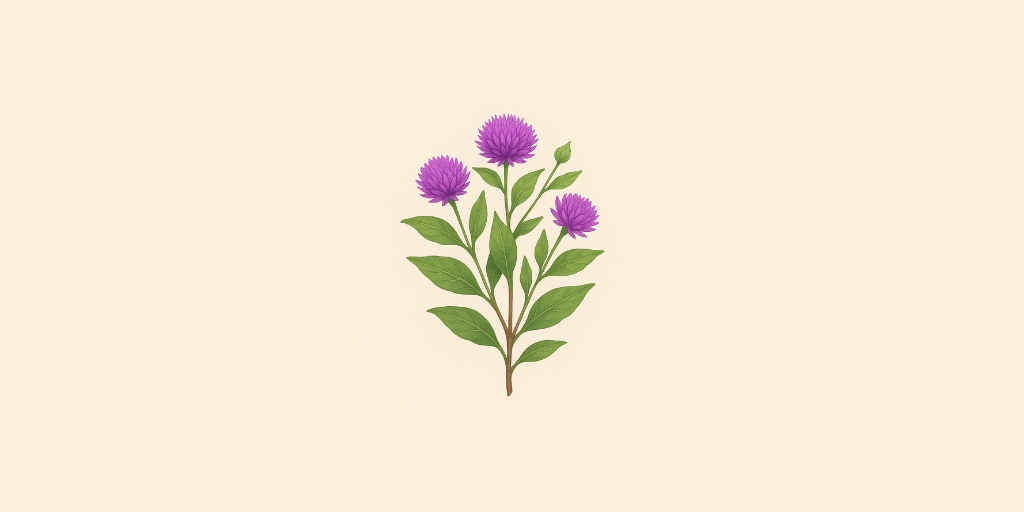
Sanskrit Name:Kahuni
Devanagari Name:काहुनी
English Name: Kahuni Herb
Description:
Kahuni, also known as Balsamodendron mukul, is a small tree found in the dry regions of India, Pakistan, and Afghanistan. The tree produces resin known as guggul, which is widely used for its anti-inflammatory, analgesic, and antioxidant properties. Kahuni is primarily used in the treatment of joint pain, arthritis, and rheumatism, as it helps reduce inflammation and improve joint mobility. The resin is also used for detoxification and improving skin health, especially for treating acne, eczema, and psoriasis. Kahuni helps balance Vata and Kapha doshas, promoting overall immune health, digestive health, and detoxification. It is often used in Ayurvedic formulations to manage cholesterol levels, heart health, and to reduce weight.
Medical Conditions(Relief):
- Kahuni, also known as Tamala, is valued for its antiseptic, anti-inflammatory, and antioxidant properties.
- It is often used for improving digestion and helping with gastrointestinal issues such as indigestion, bloating, and flatulence.
- Kahuni’s anti-inflammatory properties are particularly useful for treating inflammatory conditions such as arthritis and joint pain.
- It has also been used traditionally to support heart health, enhance circulation, and improve the immune system.
- Kahuni’s antibacterial properties help fight infections, making it a good choice for treating respiratory tract infections or skin wounds.
Medical Conditions(Avoid):
- Kahuni should be avoided in individuals who have a known sensitivity or allergy to cinnamon, as it may lead to skin irritation or allergic reactions.
- Overconsumption of Kahuni may irritate the stomach and exacerbate conditions like acid reflux or ulcers.
- People with liver conditions should use it cautiously, as excessive use could stress liver function.

