
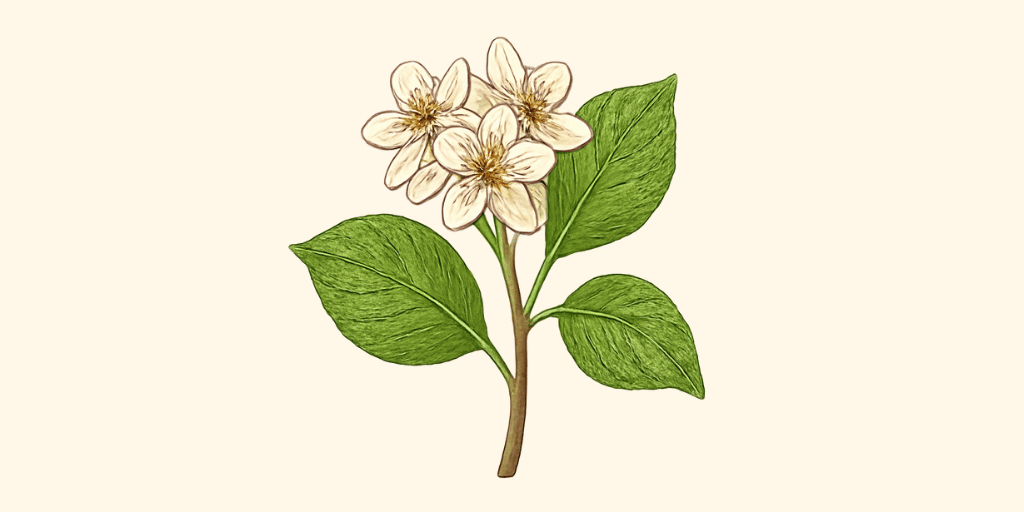
Sanskrit Name: Ankol
Devanagari Name: अंकोल
English Name: Ankol Tree
Description:
Ankol is a flowering herb found in the tropical regions of India and Southeast Asia, with distinct blue and white flowers. It is primarily known for its anti-inflammatory and antibacterial properties.
Ankol is used to treat respiratory issues such as cough, asthma, and bronchitis by clearing mucus and improving breathing. It also supports digestive health by alleviating gas, bloating, and indigestion, and is beneficial for stomach ulcers due to its soothing properties.
The herb is considered to have mild sedative effects, which help in reducing stress and promoting relaxation. It helps balance Pitta and Vata doshas, improving overall health and vitality.
Benefits:
- Ankol is used in traditional healing for skin cancers, snakebites, scorpion bites, and dog bites through local application.
- Orally, it can reduce blood pressure due to its vasodilator properties.
Medical Conditions(Relief):
- Ankol is traditionally used to treat skin conditions like eczema, psoriasis, and wounds due to its anti-inflammatory and antibacterial properties.
- It is also used in the treatment of respiratory conditions, particularly bronchitis and asthma.
- Ankol has analgesic effects and is used to manage pain, particularly joint pain and muscle aches.
- Additionally, it is used to treat gastrointestinal disorders like indigestion and bloating.
Medical Conditions(Avoid):
- Ankol should be avoided by individuals with sensitive skin, as it can cause allergic reactions and skin irritation.
- Pregnant and breastfeeding women should avoid Ankol unless recommended by a healthcare provider, as its effects during pregnancy and lactation have not been thoroughly studied.

