
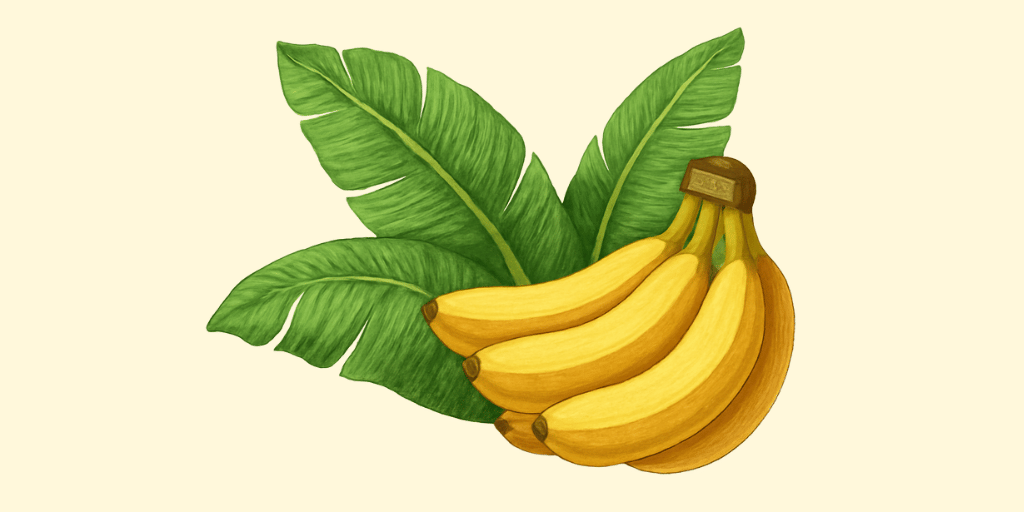
Sanskrit Name: Kadali
Devanagari Name: केला
Botanical Name: Musa paradisiaca
English Name: Banana
Description
The banana is a nutritious fruit that serves as a quick source of energy. It is abundant in potassium and magnesium, and every part of the banana plant including flowers, ripe and unripe fruits, leaves, and stems holds medicinal benefits.
Bananas enhance energy levels, which can improve stamina and sexual health. Eating unripe bananas can aid digestion and help manage diarrhea. They also assist in regulating blood pressure and cholesterol due to their antioxidant and anti-inflammatory qualities. When consumed with milk, bananas can promote weight gain.
In Ayurveda, applying banana paste to the skin is said to help with issues such as dryness, acne, and wrinkles because of its potent healing properties. Additionally, it nourishes hair and encourages growth.
It is recommended to avoid eating bananas on an empty stomach; instead, they are best consumed after a light meal.
Benefits – through the lens of Ayurveda
- Brimhana (nourishing)
- Balya (strength-giving)
- Stambhana (astringent/absorbent)
- Raktapitta-hara (Pitta-blood disorder pacifying)
- Vatahara (Vata-pacifying)
- Mutrala (diuretic
Main Chemical Components
- Dopamine
- Serotonin
- Catecholamines
- Tannins
- Pecti
Nutritional Components
- Potassium
- Vitamin B6
- Vitamin C
- Dietary fiber
- Magnesium
- Natural sugars (glucose, fructose, sucrose)
Medical Conditions(Relief)
- Bananas provide relief for digestive disorders like constipation and indigestion due to their high fiber content.
- They are rich in potassium, making them beneficial for heart health, regulating blood pressure, and promoting muscle function.
- It also help in maintaining healthy blood sugar levels, improving skin health, and boosting overall energy.
- It provide a quick source of energy and are excellent for replenishing glycogen stores after physical activity.
- They also contain Vitamin C and antioxidants, which support immunity and skin health.
- Additionally, bananas are beneficial for managing blood sugar levels, especially in individuals with diabetes, due to their low glycemic index.
Medical Conditions(Avoid)
- Bananas should be avoided by individuals with a latex allergy, as they may cause an allergic reaction.
- People with digestive issues like acid reflux may need to limit their banana intake, as it can increase acidity in some cases.
- Individuals with kidney disorders may need to moderate their intake due to potassium content.
References
- Charak Samhita of Agnivesha, Charak, Dridhabala edited with ‘Vidyamanorama’ hindi commentary by Acharya Vidyadhar Shukla and prof. Ravi Dutt Tripathi, Chaukhamba Sanskrit Pratishthan, Delhi, edition, 2006; 1
- Kaiyadeva Nighantuh Prof. Priyavrata Sharma and Dr. guru Prasada Sharma Chaukhambha Orientalia Varanasi Reprint, 2013.
- Nighantu aadarsa vol-2 by Bapalala. G. Vaidya Chaukhambha Bharati Academy reprint, 2009.
- Haritakyadi Nighantu, edited by Khemraj Shrikrishnadas, Mumbai, 2000.
- Bhavaprakasa Nighantu of Sri Bhavamisra, commentary by Padmshri prof. K. C. Chunekar edited by Dr. G. S. Pandey. Chaukhambha Bharati Academy Varanasi. Reprint,
- Susruta Samhita of Maharsi-Susruta edited with Ayurveda-Tattva-Sandipika by Kaviraj Ambikadutta Shastri Part-1 Chaukhambha Sanskrit sansthan Varanasi. Reprint, 2017.
- Singh B, Singh JP, Kaur A, Singh N. Bioactive compounds in banana and their associated health benefits–A review. Food chemistry. 2016 Sep 1;206:1-1.
- Sidhu JS, Zafar TA. Bioactive compounds in banana fruits and their health benefits. Food quality and safety. 2018 Dec;2(4):183-8.
- Falcomer AL, Riquette RF, de Lima BR, Ginani VC, Zandonadi RP. Health benefits of green banana consumption: A systematic review. Nutrients. 2019 May 29;11(6):1222.
- Kumar KS, Bhowmik D, Duraivel S, Umadevi M. Traditional and medicinal uses of banana. Journal of pharmacognosy and phytochemistry. 2012 Sep 1;1(3):51-63.

