
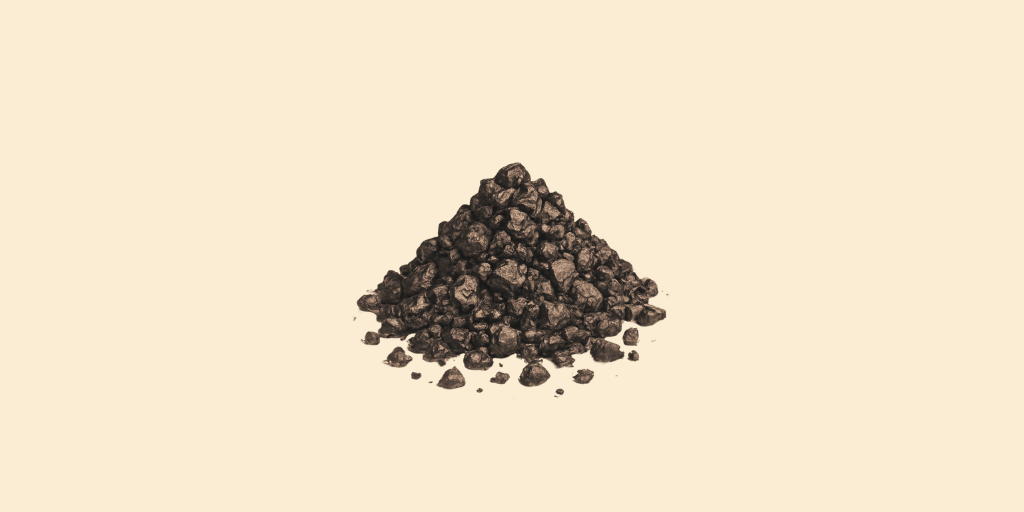
Sanskrit Name: Kala Namak
Devanagari Name: काला नमक
English Name: Kala Namak
Description:
Black salt, commonly referred to as “Kala namak,” is a variety of rock salt recognized for its cooling properties in Ayurveda. It is utilized for its digestive benefits and healing capabilities.
In Ayurvedic practice, black salt enhances digestion by stimulating bile production in the liver, thanks to its Laghu and Ushna qualities. Consuming black salt mixed with water on an empty stomach each morning aids in detoxifying the body and alleviating constipation due to its laxative effects. For individuals with diabetes, moderate consumption of black salt can assist in regulating blood sugar levels.
Applying a mixture of black salt and coconut oil on the skin can help prevent infections and reduce inflammation and pain. Additionally, adding black salt to bathwater may aid in treating skin conditions like eczema and rashes.
However, it is important to limit black salt intake, as excessive consumption may lead to nausea and vomiting, and can also affect blood pressure levels.
Benefits:
- Black Salt is a mineral-rich salt known for its unique flavor and health benefits.
- It aids in digestion by improving the secretion of digestive enzymes and relieving bloating and indigestion.
- It has alkalizing properties that help balance the body’s pH levels and can reduce acidity.
- It also has detoxifying effects and can help in managing water retention.
- The salt is rich in minerals like iron and potassium, which are beneficial for skin health and overall well-being.
Medical Conditions(Relief):
- Black Salt (Kala Namak) provides relief for digestive issues such as bloating, indigestion, and acidity.
- It is often used in Ayurvedic medicine to balance the digestive system and improve appetite.
- It also has detoxifying properties and is beneficial for skin health, as it has antimicrobial and anti-inflammatory effects. It is commonly used as a seasoning in various culinary dishes.
Medical Conditions(Avoid):
- Black salt should be avoided by individuals with high blood pressure or kidney disease due to its high sodium content.
- People on a low-sodium diet should also limit their intake of black salt.
- Pregnant women should consult their healthcare provider before consuming large amounts of black salt.

