
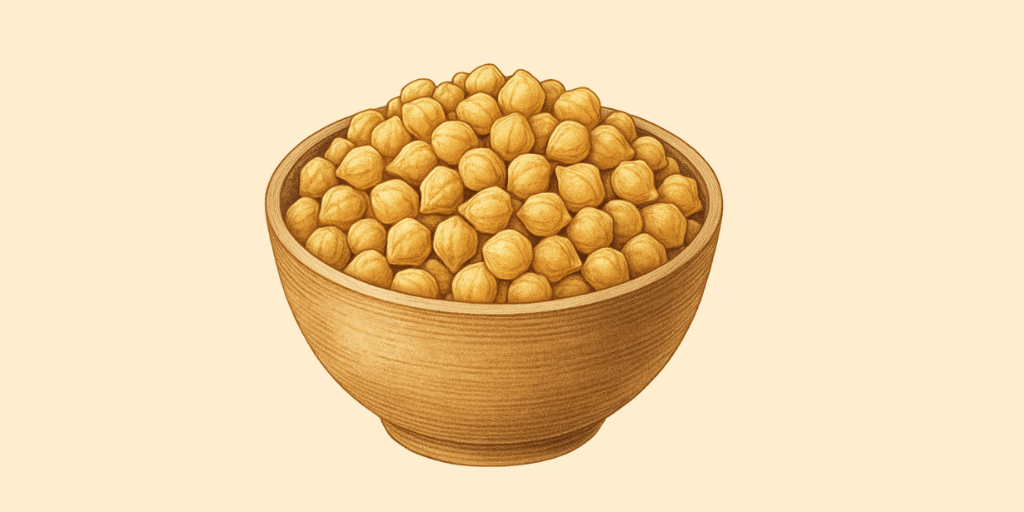
Sanskrit Name: Cana
Devanagari Name: चना
English Name: Bengal Gram, Chickpea
Description:
Chickpea (Cicer arietinum), commonly known as Chana in India, is a widely consumed legume and an important source of plant-based protein. It has a nutty flavor and grainy texture, commonly used in various culinary dishes worldwide, particularly in Indian cuisine.
Chickpeas come in two main varieties: Desi (smaller, darker, and rougher) and Kabuli (larger, lighter-colored, and smoother). In Ayurveda, chickpeas are valued for their nutritional properties, being rich in protein, fiber, minerals, and vitamins.
Chickpeas are also known for their digestive, anti-inflammatory, and blood sugar-regulating benefits. Bengal Gram is a widely cultivated lentil in India with a history dating back 7,000 years, originating in Western Asia. The earliest evidence of its cultivation in India can be traced to around 4,000 BC in Atranjikhera, Uttar Pradesh.
Rich in protein, Bengal Gram is a valuable component in skincare and haircare products. Additionally, it offers medicinal benefits, such as alleviating digestive issues and helping to regulate blood sugar levels.
Benefits:
- Chickpeas are an excellent source of plant-based protein, making them beneficial for vegetarians and vegans looking to meet their protein needs.
- They are rich in fiber, which promotes digestive health by alleviating constipation and improving bowel regularity.
- Chickpeas help in regulating blood sugar levels, making them beneficial for people with diabetes or those at risk.
- Their high antioxidant content helps combat oxidative stress, promoting heart health and skin health.
- Additionally, chickpeas are a good source of iron and folate, which support immune health and red blood cell production.
- The presence of healthy fats in chickpeas helps improve cholesterol levels, supporting cardiovascular health.
- Chickpeas also support weight management by promoting satiety and reducing overall calorie intake.
- Helps lower blood sugar levels.
- Astringent properties aid in treating stomach disorders such as dyspepsia, vomiting, indigestion, costiveness, diarrhea, and dysentery.
- Acts as a valuable skin and scalp cleaning and moisturizing agent.
Medical Conditions(Relief):
- Chickpeas are highly beneficial in managing several medical conditions.
- They are effective in managing digestive issues, such as constipation and bloating, due to their high fiber content.
- Chickpeas are also beneficial for individuals with diabetes, as they help regulate blood sugar levels by improving insulin sensitivity.
- The rich iron content of chickpeas is helpful for anemia, especially in individuals following plant-based diets.
- Chickpeas are useful for weight management because they increase feelings of fullness, helping to control overeating.
- They also promote heart health by lowering bad cholesterol (LDL) levels and supporting blood pressure regulation.
- Additionally, chickpeas’ anti-inflammatory and antioxidant properties can help manage arthritis, joint pain, and skin conditions like acne and eczema.
Medical Conditions(Avoid):
- Chickpeas are generally safe for most people; however, they may need to be avoided or consumed in moderation by individuals with certain medical conditions.
- People with allergies to legumes or chickpeas specifically should avoid them, as they may cause allergic reactions such as itching, swelling, or digestive distress.
- Individuals with irritable bowel syndrome (IBS) or other gut sensitivities may find chickpeas difficult to digest, potentially causing gas or bloating due to their high fiber content.
- Those with kidney disorders or kidney stones may need to limit chickpea consumption due to their oxalate content, which can contribute to the formation of kidney stones in susceptible individuals.
- As chickpeas are high in phytates, which can interfere with the absorption of certain minerals, excessive consumption should be avoided, particularly in individuals with mineral deficiencies.

