
Ayurvedic Name: Ardit
Description:
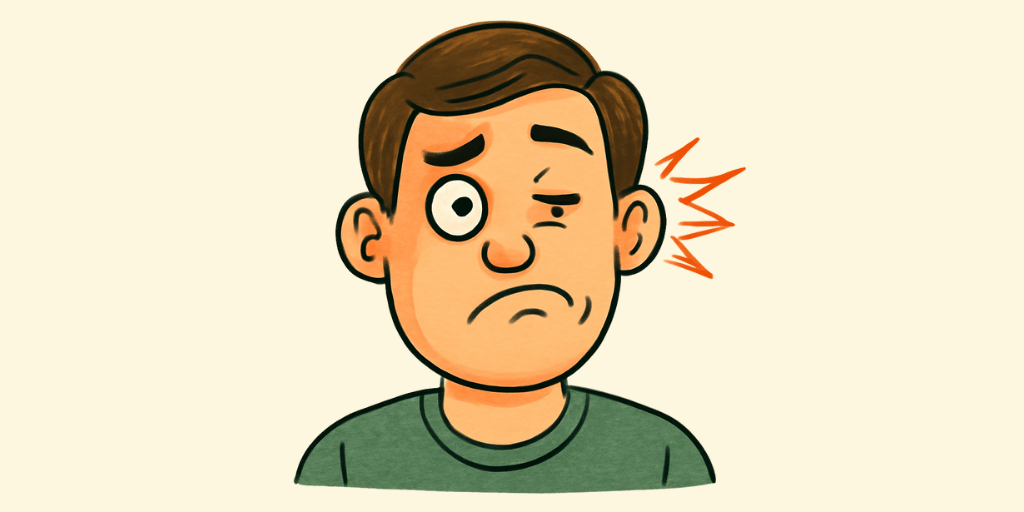
Ardita refers to facial paralysis, commonly known as Bell’s palsy in modern medicine. It is resulting from aggravated Vata affecting one side of the face, which leads to weakness, asymmetrical facial expressions, slurred speech, difficulty closing the eye, and drooping of the mouth. Triggers include exposure to cold winds, stress, improper postures, and trauma. Ardita is classified as Ekayam (affecting one side) or Dwayam (affecting both sides). Ayurvedic treatment focuses on restoring nerve function through Snehana (oleation therapy), Swedana (sudation therapy), Nasya with medicated oils, Abhyanga (massage), and oral administration of herbs like Ashwagandha, Bala, and Rasna to strengthen the nerves and balance Vata.
Signs & Symptoms:
- Ardita (Facial Paralysis): Inability to move one or both sides of the face, particularly the mouth or eyelids.
- Vishama Agni (Irregular Digestion): Digestive issues due to neurological involvement in autonomic functions.
- Rukshata (Dryness): Dry mouth and eyes due to reduced facial muscle control.
- Kshama (Fatigue): General weakness or discomfort from the inability to control facial muscles.
- Shwasa (Breathlessness): Difficulty in breathing, especially during activities like speaking or eating.
- Bhrama (Dizziness): Dizziness or imbalance in some cases due to the disruption of nerve signals.
Diagnosis:
Clinical Examination and Nerve Conduction Test
Risk Factors:
- Dietary Factors
Deficient intake of vitamins like B12, B6, and folic acid, which are essential for nerve health and can increase the risk of neurological conditions such as facial paralysis.
Excessive intake of salty or processed foods, which can affect the nerves and muscle function. - Lifestyle Factors
Sudden exposure to cold weather or wind, which can cause nerve inflammation and contribute to facial paralysis.
Stress, emotional trauma, or anxiety that can trigger or worsen nerve-related issues. - Medical Conditions
Viral infections, especially herpes simplex virus, that cause Bell’s palsy or facial nerve paralysis.
Conditions like stroke, multiple sclerosis, or tumors that can affect the facial nerve.
Complications:
- Loss of Facial Symmetry (Mukha Vikruti): Paralysis affects one side of the face, causing drooping and loss of normal expression.
- Difficulty in Eating and Speaking (Bhojan-Vachan Vikruti): Inability to properly close the mouth or control facial muscles can make eating and speaking difficult.
- Psychological Impact (Manasik Dourbalya): The visible nature of facial paralysis can lead to social stigma, depression, and anxiety.
- Dry Eye Syndrome (Netra Shushkata): Loss of muscle control around the eye may cause the eye to dry out or become irritated.
- Muscle Weakness (Mamsa Dourbalya): Prolonged paralysis leads to muscle atrophy, affecting the function and strength of facial muscles.
Epidemeology:
More common in individuals aged 40-60, with a slight female predominance.
Peak incidence occurs around the age of 40, though it can occur at any age.
Bell’s Palsy, the most common cause of facial paralysis, affects approximately 20-30 people per 100,000 annually.
Affects 1 in 5,000 people globally each year, with a higher incidence in pregnant women (especially during the third trimester) and individuals with diabetes.

