
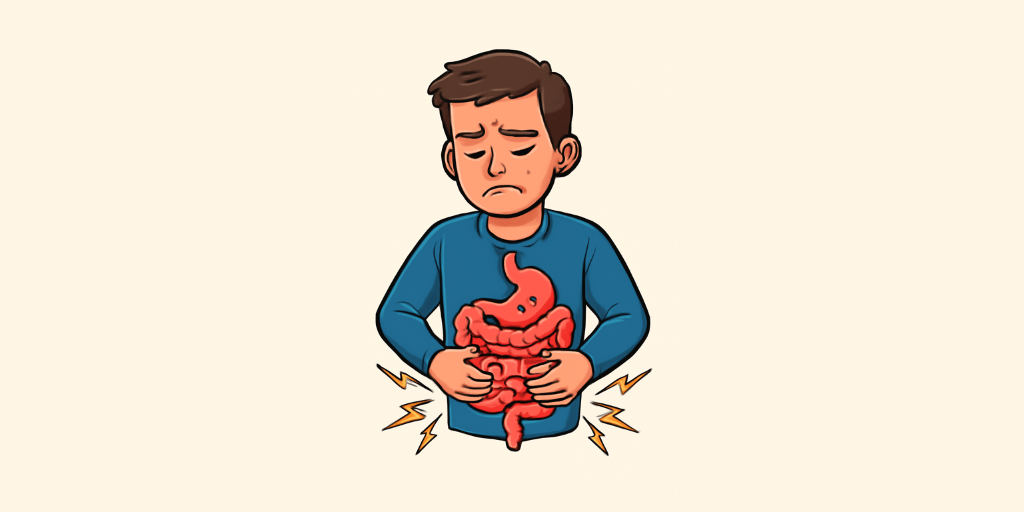
Ayurvedic Name: Udararoga
Description:
Udararoga includes various gastrointestinal disorders like ascites, ulcers, and chronic bloating due to weak digestion and doshic imbalances. Treatment involves digestive tonics, detoxification, and dietary modifications.
Signs & Symptoms:
- Annavaha Srotas Vyadhi (Gastrointestinal Disorder): Digestive discomfort, including bloating, gas, or cramping.
- Vishama Agni (Irregular Digestion): Alternating between constipation and diarrhea.
- Shwasa (Breathlessness): Difficulty in breathing, particularly when the gastrointestinal disorder causes bloating.
- Rukshata (Dryness): Dryness in the mouth, throat, or skin due to digestive dysfunction.
- Aruchi (Loss of Appetite): Decreased desire to eat due to gastrointestinal distress.
- Dourbalya (Weakness): Generalized fatigue and weakness, especially if malnutrition occurs.
Diagnosis:
Clinical Evaluation and Abdominal Ultrasound
Risk Factors:
- Dietary Factors
Excessive Fatty or Fried Foods: Consuming too many processed, fatty, or fried foods can lead to gastrointestinal distress and disorder.
Low Fiber Intake: A diet low in fiber can lead to constipation and other gastrointestinal issues. - Lifestyle Factors
Sedentary Lifestyle: Lack of exercise or physical activity can lead to digestive problems such as bloating, constipation, and discomfort.
Irregular Eating Habits: Skipping meals or overeating can cause digestive imbalances, leading to gastrointestinal disorders. - Medical Conditions
Irritable Bowel Syndrome (IBS): A common gastrointestinal disorder that causes symptoms such as abdominal pain, bloating, and diarrhea.
Gastroesophageal Reflux Disease (GERD): A digestive disorder where stomach acid or bile irritates the food pipe, causing discomfort and digestive issues.
Complications:
- Chronic Digestive Issues (Agnimandya): Persistent gastrointestinal disorders can lead to chronic issues like bloating, indigestion, constipation, or diarrhea.
- Malnutrition (Ahar Kshaya): Poor absorption or inadequate digestion can lead to malnutrition, despite sufficient food intake, leading to nutrient deficiencies.
- Ulcers (Vrana): Prolonged gastrointestinal issues can cause or exacerbate the formation of ulcers in the stomach or intestines.
- Increased Risk of Colon Cancer (Basti Roga): Some gastrointestinal disorders, especially inflammatory bowel diseases, increase the risk of developing colorectal cancer.
- Bloating and Gas (Vata Shotha): Poor digestion can cause excessive gas buildup, resulting in bloating, discomfort, and even nausea.
Epidemeology:
Affects approximately 10-15% of the population globally, with conditions like irritable bowel syndrome (IBS), gastroesophageal reflux disease (GERD), and inflammatory bowel disease (IBD) being common causes.
More prevalent in developed countries, especially in industrialized regions with high-stress levels and poor dietary habits (e.g., processed foods, high-fat diets).
Higher rates in individuals aged 20-50, particularly those with sedentary lifestyles, stress, and dietary imbalances.
Increasing prevalence among young adults due to lifestyle factors, including poor eating habits, excessive alcohol consumption, and smoking.
Children are also affected by gastrointestinal disorders like gastroenteritis, especially in environments with poor sanitation.

