
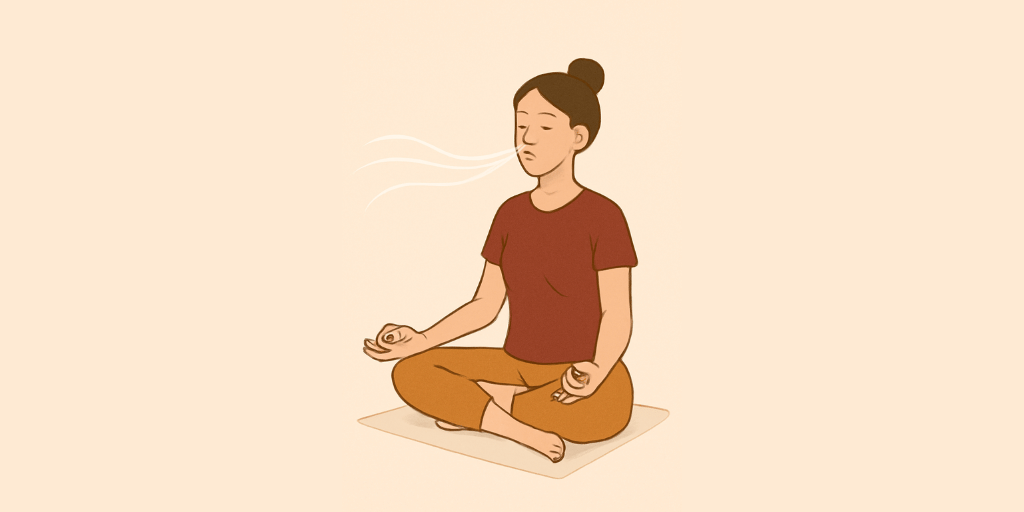
हठ योग (Hatha Yoga)
Yoga of Force
Haṭha Yoga, one of the most well-known branches of yoga, is a dynamic system that harmonizes the body, breath, and mind. The name itself is symbolic—”Ha” represents the sun (active energy), while “Tha” signifies the moon (passive energy), illustrating the balance this practice cultivates. Haṭha Yoga is more than just physical postures (āsanas); it integrates breath control (prāṇāyāma), purification techniques (ṣaṭkarma), and energy channeling to prepare the practitioner for deeper meditation. The origins of Haṭha Yoga trace back to the ancient yogic texts like the Haṭha Yoga Pradīpikā (14th century) by Swami Svatmarama, Gheranda Samhita, and Shiva Samhita, which codified its techniques. Influenced by Tantra and Raja Yoga, it was traditionally practiced by yogis seeking to awaken Kundalini energy and purify the body’s subtle channels (nāḍīs). Over centuries, Haṭha Yoga has evolved into a globally practiced discipline, forming the foundation for modern yoga styles.
This practice strengthens the body, enhances flexibility, and cultivates inner discipline, making it suitable for beginners and advanced practitioners alike. By mastering the physical body and breath, one paves the way for mental stillness and spiritual awakening.
Hatha yoga can be beneficial for various medical conditions, including:
1. **Stress and Anxiety**: The practice of Hatha yoga promotes relaxation and mindfulness, which can significantly reduce stress levels and alleviate anxiety symptoms.
2. **Chronic Pain**: Gentle stretches and postures in Hatha yoga can help manage and alleviate chronic pain conditions, such as lower back pain and arthritis, by improving flexibility and strength.
3. **Respiratory Issues**: Breathing exercises (pranayama) in Hatha yoga enhance lung capacity and function, making it helpful for individuals with asthma or other respiratory conditions.
4. **Digestive Disorders**: Certain asanas stimulate the digestive organs, which can aid in relieving issues like constipation and indigestion.
5. **Sleep Disorders**: The calming nature of Hatha yoga can improve sleep quality by promoting relaxation and reducing insomnia symptoms.
6. **Cardiovascular Health**: Regular practice can help lower blood pressure and improve heart health by promoting better circulation and reducing stress.
7. **Depression**: The combination of physical movement, breath control, and meditation in Hatha yoga can uplift mood and help manage mild to moderate depression.
8. **Flexibility and Balance Issues**: Hatha yoga enhances flexibility and balance, which can be particularly beneficial for older adults or individuals recovering from injuries.
These benefits illustrate how Hatha yoga can support overall health and well-being across a range of medical conditions.
Certain medical conditions warrant caution or avoidance when practicing specific asanas in Hatha Yoga. Here are some conditions where asana practice should be modified or avoided:
1. **Pregnancy**: Many asanas can put undue pressure on the abdomen or compromise balance, which can be unsafe during pregnancy.
2. **Severe Back Pain or Injury**: Individuals with acute back pain or spinal injuries should avoid asanas that strain the back or require significant twisting.
3. **Recent Surgery**: Post-operative individuals should avoid asanas that may strain the surgical area until cleared by a healthcare provider.
4. **High Blood Pressure**: Inversions and strenuous poses can exacerbate hypertension, so these should be avoided.
5. **Glaucoma**: Inversions may increase pressure in the eyes, making them risky for individuals with this condition.
6. **Carpal Tunnel Syndrome**: Weight-bearing on the wrists can worsen symptoms, so caution is advised with poses that place pressure on the hands.
7. **Severe Asthma or Respiratory Issues**: Certain asanas may restrict breathing, so modifications are necessary for those with significant respiratory conditions.
8. **Severe Heart Conditions**: Strenuous poses may pose risks; individuals should consult with a doctor before practicing.
Always consult a healthcare professional before starting any new exercise regimen, especially with pre-existing conditions.

