
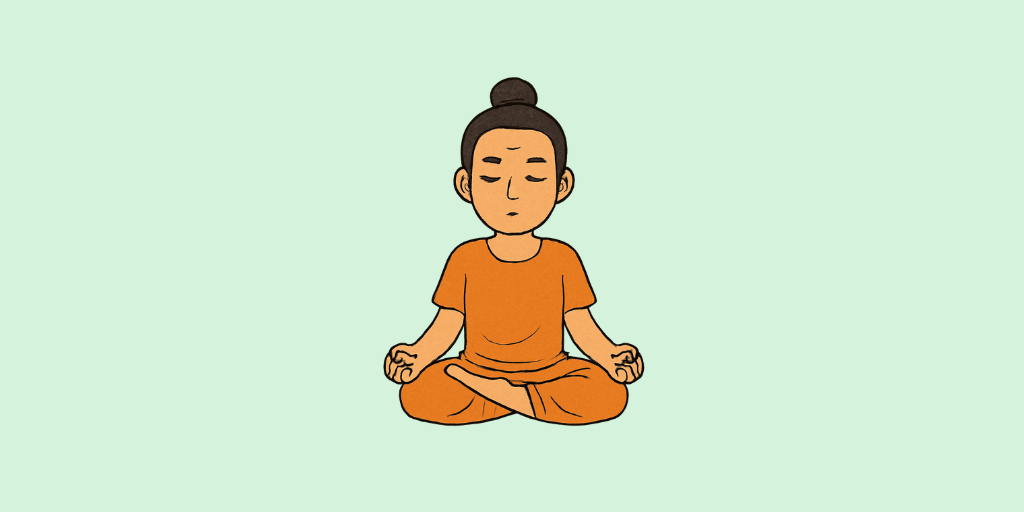
Sanskrit Name: कुम्भक
English Name: Kumbhaka
Description
The Sanskrit word Kumbhak comes from “Kumbha”, meaning “pot” or “vessel,” symbolizing the lungs as a container for prana (life force). In Pranayama (yogic breath control), Kumbhak refers to breath retention, where air is consciously held after inhalation (Antar Kumbhak) or after exhalation (Bahya Kumbhak). This practice is essential for mastering breath control, increasing lung capacity, and deepening the connection between body and mind.
Kumbhak plays a significant role in regulating pranic energy, promoting mental focus, and enhancing respiratory efficiency. Holding the breath mindfully helps improve oxygen absorption, detoxify the body, and strengthen the diaphragm. It also calms the nervous system, reduces anxiety, and prepares the mind for meditation.
In Patanjali’s Yoga Sutras, Kumbhak is regarded as an advanced practice that leads to greater self-awareness and inner stillness.
Medical Conditions(Relief)
- Anxiety and Stress: Kumbhak may aid in reducing anxiety levels and stress by promoting relaxation and calming the mind.
- Respiratory Issues: It can enhance lung capacity and improve respiratory function, potentially benefiting those with asthma or other breathing disorders.
- Hypertension: Regular practice may assist in lowering blood pressure by encouraging a state of calm and relaxation.
- Digestive Problems: Kumbhak can stimulate the digestive system, which may help alleviate issues like bloating or constipation.
- Mental Clarity: This practice may enhance focus and mental clarity, making it useful for individuals experiencing cognitive fatigue.
- Sleep Disorders: Engaging in Kumbhak can promote better sleep quality by reducing stress and inducing relaxation.
Medical Conditions(Avoid)
- Respiratory Disorders: Individuals with asthma, chronic obstructive pulmonary disease (COPD), or other severe respiratory issues may find that breath retention exacerbates their symptoms.
- Cardiovascular Issues: Those with heart conditions, hypertension, or arrhythmias should avoid Kumbhak as it can increase blood pressure and strain the heart.
- Epilepsy: People with epilepsy may be at risk of triggering seizures during breath retention practices.
- Anxiety Disorders: Individuals with anxiety or panic disorders might experience heightened anxiety or panic attacks when practicing breath retention.
- Recent Surgery: Post-operative patients, especially those who have had chest or abdominal surgery, should avoid Kumbhak until fully healed.
References
- Patanjali, Yoga Sutras of Patanjali, Commentary by Swami Sivananda. Divine Life Society, 1990; p. 58.
- Swatmarama, Hatha Yoga Pradipika, Edited by Swami Muktibodhananda. Bihar School of Yoga, 1998; p. 72.
- Sushruta, Sushruta Samhita, Commentary by Acharya Y.T. (5th ed.). Varanasi: Chaukambha Orientalia, 1992; p. 445.
- Krishnamacharya, Yoga Makaranda, Translated by A.G. Mohan. Krishnamacharya Yoga Mandiram, 2012; p. 103.
- Iyengar B.K.S., Light on Yoga. HarperCollins Publishers, 1966; p. 102.
- Desikachar T.K.V., The Heart of Yoga: Developing a Personal Practice. Inner Traditions, 1995; p. 88.
- Jois K. Pattabhi, Yoga Mala. The Yoga Institute, 2002; p. 120.
- Swami Vivekananda, Raja Yoga. Advaita Ashrama, 1993; p. 61.
- Swami Sivananda, The Science of Pranayama. Divine Life Society, 1951; p. 99.
- Sivananda Yoga Vedanta Centres, Yoga and Health. Sivananda Publications, 2005; p. 45.

