
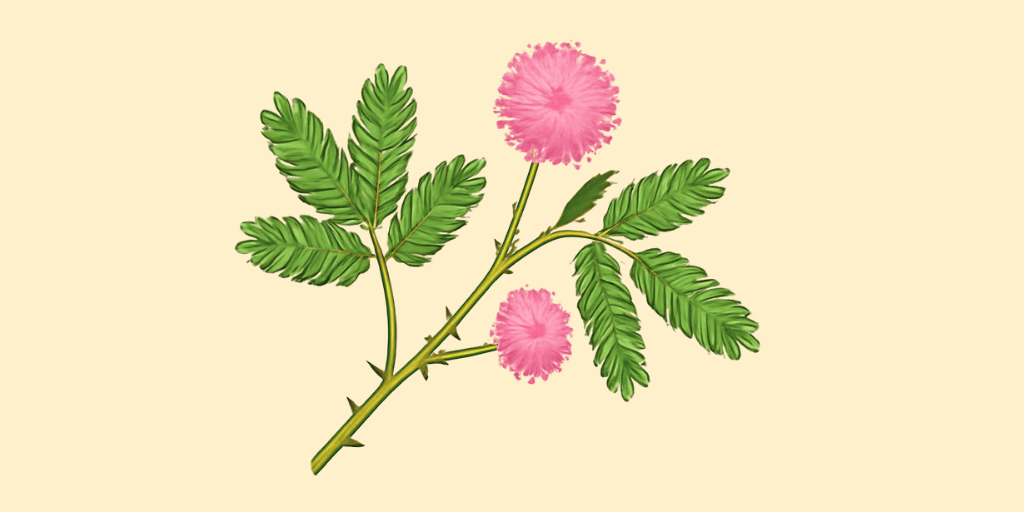
Sanskrit Name: Lajvanti
Devanagari Name: लाजवंती
English Name: Sensitive Plant
Description:
Lajvanti, scientifically known as Mimosa pudica, is a perennial herb that creeps and is indigenous to tropical areas. It is well-known for its remarkable reaction to touch, causing its leaves to fold and droop momentarily. This feature has given it cultural significance across various societies.
In Ayurveda, Lajvanti is appreciated for its wide range of medicinal benefits, including its applications in healing wounds, promoting digestive health, and supporting respiratory function.
The plant possesses astringent, anti-inflammatory, and antimicrobial qualities. It aids in wound healing by promoting tissue repair and mitigating inflammation.
Lajvanti is also effective in managing diarrhea by helping to regulate bowel movements. Its calming effects are thought to assist with anxiety and sleep issues.
Traditionally, a decoction of the plant is employed to address urinary tract infections and other inflammatory ailments. Moreover, its properties that balance Kapha and Pitta make it advantageous for respiratory issues such as coughs and bronchitis.
However, it is advisable to avoid prolonged or excessive use without professional guidance.
Benefits:
- Lajvanti, also known as the Sensitive Plant, has various medicinal properties including anti-inflammatory, antimicrobial, and antidiabetic effects.
- It is used to relieve stress, anxiety, and improve sleep.
- It is beneficial for treating digestive issues like constipation and indigestion.
- It also supports the immune system and helps reduce pain and inflammation in conditions like arthritis.
Medical Conditions(Relief):
- Lajvanti provides relief for anxiety, nervous disorders, and insomnia by acting as a natural sedative.
- It has a strong neuroprotective effect and is used to manage mental fatigue, stress, and depression.
- It is also helpful in digestive health, aiding in the treatment of constipation, gas, and bloating by stimulating the digestive system.
- It is also used to promote wound healing, thanks to its anti-inflammatory and antibacterial properties, making it beneficial for skin conditions like cuts, bruises, and ulcers.
- Additionally, Lajvanti helps in detoxification by promoting the elimination of toxins from the body.
Medical Conditions(Avoid):
- Lajvanti should be avoided by individuals with low blood pressure (hypotension) as it may lower it further.
- Those with allergic reactions to Mimosa species or other related plants should avoid its use.
- Pregnant and breastfeeding women should consult their healthcare provider before using Lajvanti, as its effects during these stages are not well-established.

