
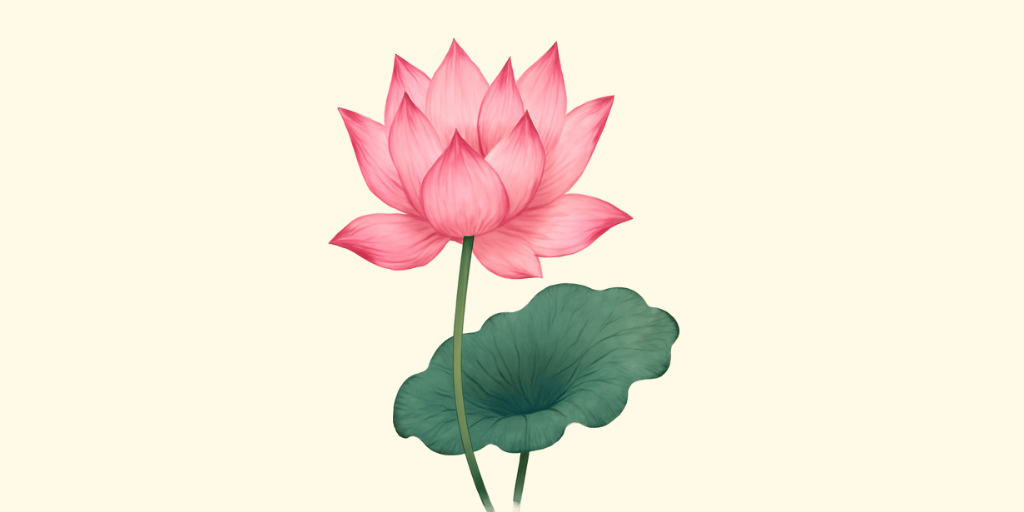
Sanskrit Name: Kamal
Devanagari Name: कमल
English Name: Lotus Flower
Description:
The Lotus, recognized as the national flower of India, is also referred to as “Kamal” or “Padmini.” This revered plant symbolizes purity and divine beauty. Every part of the Lotus, including its leaves, seeds, flowers, fruit, and rhizomes, is edible and possesses medicinal properties.
In traditional medicine, dried Lotus flowers have been utilized to treat bleeding issues, particularly to control heavy menstrual blood loss. Additionally, it aids in alleviating diarrhea by decreasing stool frequency.
According to Ayurveda, using a paste made from Lotus petals or applying Lotus seed oil can hydrate and revitalize the skin.
However, it is important to note that overconsumption of any Lotus part-such as petals, flowers, or seeds may lead to digestive issues like flatulence and constipation.
Benefits:
- The Lotus flower is known for its calming and anti-inflammatory properties.
- It is beneficial for improving skin health, reducing acne, and preventing premature aging.
- It is also used for its ability to soothe digestive issues, reduce bloating, and alleviate stomach discomfort.
- Additionally, it supports mental health by reducing stress and promoting relaxation.
Medical Conditions(Relief):
- Lotus is a revered herb for its ability to calm and alleviate stress, anxiety, and insomnia due to its sedative properties.
- It has powerful anti-inflammatory effects, helping with skin conditions such as acne and eczema.
- It is also beneficial for digestive health, improving gut health, and aiding liver detoxification.
- It helps in promoting blood circulation and can be used as a natural remedy for mental clarity.
Medical Conditions(Avoid):
- Lotus should be avoided by individuals with low blood pressure as it may lower it further.
- Pregnant and breastfeeding women should consult their healthcare provider before using Lotus regularly.

