
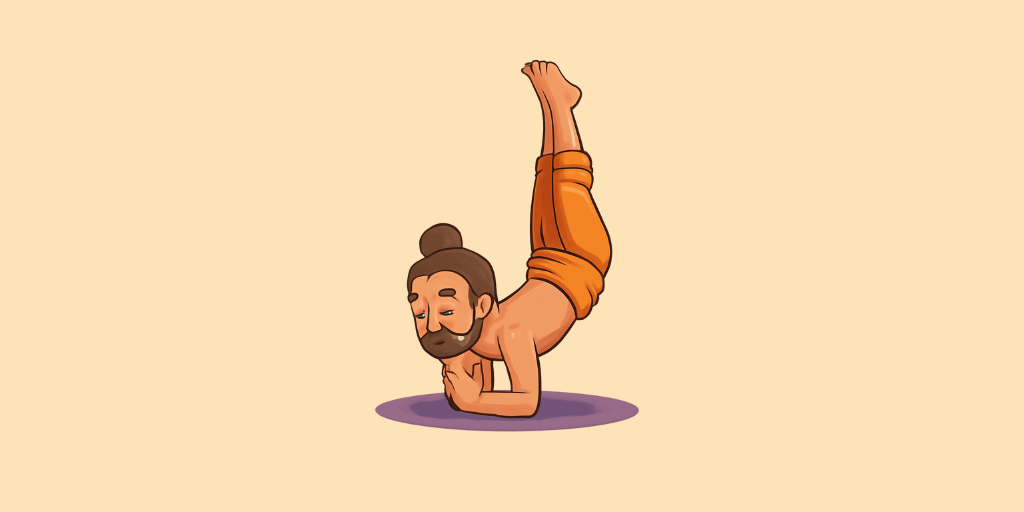
Sanskrit Name: महायोग
English Name: The Great Yoga
Description:
Maha Yoga, also known as the “Great Yoga,” is a profound spiritual path that leads to self-realization through effortless meditation and divine grace. Unlike other forms of yoga that require physical postures or breath control, Maha Yoga focuses on spontaneous awakening, allowing divine energy to guide the practitioner into deep states of meditation and awareness. Rooted in Vedic and Tantric traditions, this practice integrates all major yoga disciplines, making it the ultimate path to enlightenment.
Historically, Maha Yoga is closely linked to Shaktipata (spiritual transmission), where a guru awakens the dormant energy (Shakti) of a seeker through a glance, touch, or mantra initiation. This powerful method was practiced by Nath Yogis, Advaita Vedantins, and enlightened masters such as Sri Ramana Maharshi and Swami Muktananda, who emphasized self-inquiry and direct realization of the Supreme Consciousness.
Benefits:
Maha Yoga is ideal for those seeking a direct, effortless path to enlightenment. By simply surrendering to divine energy and allowing inner transformation to unfold naturally, practitioners experience deep meditation, heightened awareness, and liberation (Moksha). If you are searching for a powerful and transformative path, Maha Yoga offers a supreme method for spiritual awakening.
Medical conditions(Relief):
Maha Yoga asanas can aid in various medical conditions by promoting physical and mental well-being. For instance, they can enhance flexibility and strength, which may alleviate symptoms of arthritis and other joint issues. Additionally, these practices can improve respiratory function, benefiting those with asthma or other lung conditions. Stress relief is another key advantage, making them useful for individuals dealing with anxiety or depression. Furthermore, certain asanas may aid digestion, helping those with gastrointestinal disturbances. Overall, Maha Yoga supports holistic health by addressing both physical ailments and mental health challenges.
Medical conditions(Avoid):
Certain medical conditions warrant caution or avoidance of specific asanas in yoga practice. Here are some conditions where asanas should be approached with care or avoided:
- Pregnancy: Many asanas can put undue pressure on the abdomen or may not be safe during pregnancy, especially in the later trimesters.
- High Blood Pressure: Inversions or poses that require significant exertion can exacerbate hypertension.
- Glaucoma: Inverted poses can increase intraocular pressure, which can be harmful for individuals with glaucoma.
- Recent Surgery: Those who have undergone surgery, particularly abdominal or spinal surgery, should avoid asanas that strain those areas.
- Severe Back Pain: Individuals with chronic back issues or acute pain should be cautious with poses that involve twisting or heavy bending.
- Carpal Tunnel Syndrome: Weight-bearing poses on the hands can aggravate symptoms in those suffering from this condition.
- Hernia: Certain asanas can increase intra-abdominal pressure, which can worsen a hernia.
- Severe Osteoporosis: Poses that require balance or involve bending can lead to fractures in individuals with weakened bones.
Always consult a healthcare provider before beginning any new exercise regimen, especially for those with pre-existing conditions.

