
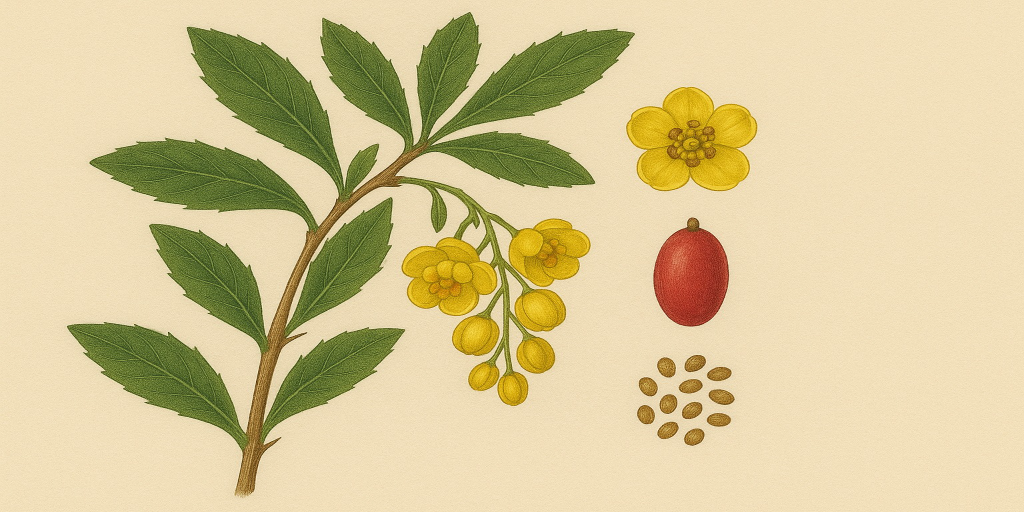
Sanskrit Name:Rakta Kashmira
Devanagari Name:रक्त कश्मीरा
English Name: Rakta Kashmira Herb
Description:
Rakta Kashmira is an Ayurvedic herbal formulation known for its detoxifying, anti-inflammatory, and blood-purifying properties. It is used in treating skin disorders, such as eczema, psoriasis, acne, and rashes.
This formulation is made from a blend of various herbs, including saffron, bala, and turmeric. It is commonly used in Ayurveda to purify the blood, thereby enhancing skin health and helping to remove toxins from the body.
Rakta Kashmira is also used to treat inflammatory conditions, such as arthritis and rheumatism, due to its anti-inflammatory properties.
The formulation is beneficial for liver detoxification and helps improve circulation and promote overall wellness. It helps balance Pitta and Kapha doshas, improving skin health, liver function, and detoxification.
Benefits:
- Corn Poppy, or Red Poppy, offers several therapeutic benefits. It is known to relieve mild pain and serves as a mild relaxant and sedative, helping to depress the central nervous system.
- The flower is also beneficial in treating respiratory disorders, including asthma, whooping cough, and bronchitis.
- Additionally, it acts as an emollient in skincare, soothing the skin and is used in anti-wrinkle creams for its skin-soothing properties.
Medical Conditions(Relief):
- Rakta Kashmira, or Indian barberry, has antimicrobial, anti-inflammatory, and blood-purifying properties.
- It is commonly used to treat skin conditions such as acne, eczema, and psoriasis, as it helps reduce inflammation and promotes wound healing.
- Rakta Kashmira also has strong antibacterial and antifungal properties, making it useful for treating infections.
- It supports liver health and helps detoxify the body by cleansing the blood and improving overall circulation.
Medical Conditions(Avoid):
- Rakta Kashmira should be avoided during pregnancy, as it may have uterine-stimulating effects.
- Individuals with liver or kidney diseases should consult a healthcare provider before using Rakta Kashmira, as it may interact with liver or kidney function.
- People with allergies to berberine-containing plants should avoid using this herb.

