
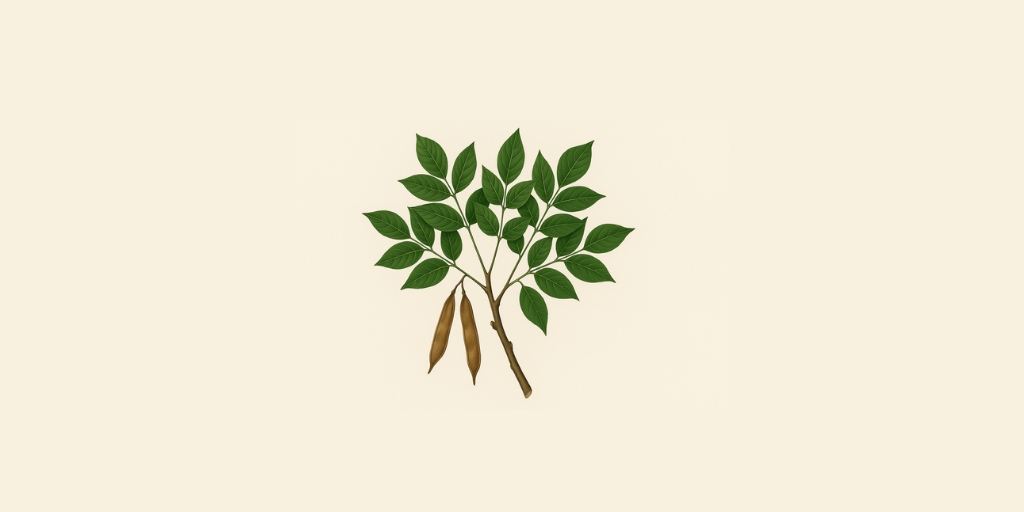
Sanskrit Name:Sheesham
Devanagari Name:शीशम
English Name: Indian Rosewood
Description:
Sheesham, also known as Dalbergia Sissoo, is a large, deciduous tree found in the tropical and subtropical regions of India, Nepal, and Pakistan. The tree grows up to 15-25 meters tall and has feathery compound leaves with long, narrow leaflets. Sheesham produces yellow or white flowers and is highly valued for its wood, which is used in furniture making. The tree’s bark, leaves, and flowers are used in Ayurveda for their anti-inflammatory, analgesic, and antimicrobial properties. Sheesham is widely used to treat joint pain, arthritis, and muscle inflammation due to its pain-relieving and anti-inflammatory effects. It is also used to treat skin infections, wounds, and ulcers due to its healing properties. The plant is beneficial for improving digestive health, particularly for treating gas, bloating, and constipation. Sheesham helps balance Vata and Kapha doshas, promoting respiratory health, immune function, and skin health.
Benefits:
- Ironwood Tree, or Mesua ferrea, offers several key therapeutic benefits.
- It acts as a hemostatic, effectively stopping bleeding, making it useful for conditions like bleeding piles and irregular uterine bleeding (metrorrhagia).
- Additionally, it has anti-inflammatory properties and is recommended for treating gout, hemorrhagic disorders, and urinary bladder diseases.
- The plant’s extracts are also beneficial for respiratory issues such as bronchitis.
- Its therapeutic constituents include alpha- and beta-amyrin, beta-sitosterol, biflavonoids, and mesuanic acid, which contribute to its astringent and hemostatic effects.
Medical Conditions(Relief):
- Sheesham is known for its medicinal properties, including its ability to support digestive health.
- It has antimicrobial and anti-inflammatory properties, which make it useful in treating gastrointestinal disorders such as indigestion and diarrhea.
- Sheesham is also used for its wound-healing properties and is often applied topically to treat skin infections, cuts, and wounds.
- Additionally, it has been used in Ayurvedic medicine for its ability to promote circulation and reduce swelling.
Medical Conditions(Avoid):
- Sheesham should be avoided by people with allergies to legumes, as it may cause allergic reactions.
- Overconsumption of Sheesham can cause digestive issues like constipation, and it should be used cautiously by individuals with a history of gastrointestinal disorders.
- Pregnant women should consult a healthcare provider before using Sheesham, as its effects during pregnancy are not well-documented.

