
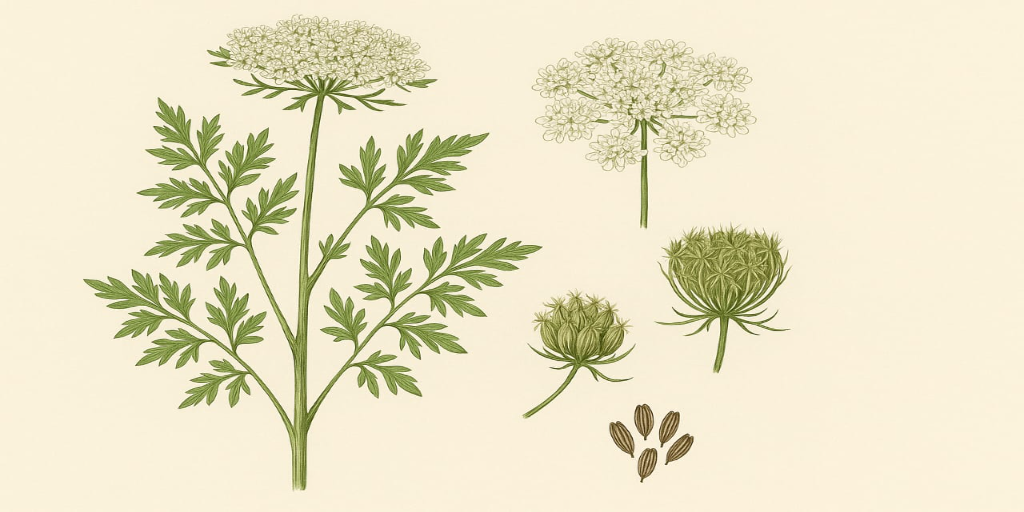
Sanskrit Name:Shikha-mula, Garijara
Devanagari Name:शिखा-मूल, गरिजरा
English Name: Shikha Mula
Description:
Shikha-mula, also known as Garijara, refers to the roots of certain Ayurvedic herbs used for their nervine, anti-inflammatory, and analgesic properties. These roots are often used in Ayurvedic treatments to promote hair health, improve memory, and mental clarity.
The roots of Garijara are known to stimulate blood circulation, reduce stress, and improve digestion by enhancing digestive fire (Agni). The herb is used to treat headaches, migraine, and muscle soreness due to its analgesic effects.
It also helps in respiratory health by reducing inflammation and congestion. It balances Vata and Pitta doshas, promoting mental well-being, digestive health, and skin health.
Benefits:
- Cultivated Carrot offers several key therapeutic benefits: it helps lower cholesterol, blood pressure, and blood sugar levels; supports colon health due to its fiber content; improves eyesight thanks to its high vitamin A content; and soothes inflamed kidneys, liver, and gall bladder when consumed as juice.
- Additionally, it contains an interferon inducer that enhances resistance to viral infections and is rich in beta-carotene, which is being researched for its anti-cancer properties.
Medical Conditions(Relief):
- Shikha-mula, also known as Garijara, is used for its anti-inflammatory and detoxifying properties.
- It is commonly used to treat conditions like dandruff, hair loss, and scalp irritation, as it helps improve scalp health and promotes hair growth.
- Shikha-mula is believed to improve circulation, which supports hair follicles and nourishes the scalp.
- It also has antimicrobial properties, making it useful in fighting scalp infections caused by bacteria or fungi.
- Additionally, it is used to treat skin conditions like acne and eczema due to its ability to reduce inflammation and promote healing.
Medical Conditions(Avoid):
- Shikha-mula should be avoided by individuals with sensitive skin, as it may cause irritation or allergic reactions.
- People with existing scalp conditions, such as seborrheic dermatitis or psoriasis, should consult a healthcare provider before using this herb.
- Pregnant women should use it cautiously, as its effects during pregnancy are not well-researched.

