
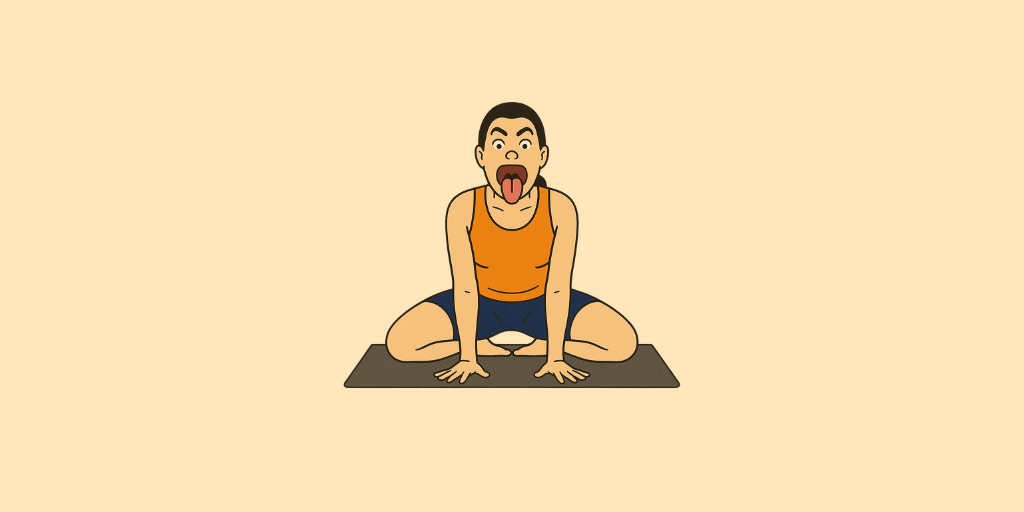
Sanskrit Name: सिंहासन
English Name: Lion Pose
Description
Simhasana, known as Lion’s Pose, serves as a powerful boost of confidence and strength. This pose is both dynamic and expressive, embodying the serene yet fierce energy associated with a lion. Imagine yourself embodying that elegance and power, feeling bold and unafraid as you stretch and expand your presence. It’s about standing tall, claiming your space, releasing any doubts, and embracing your inner strength.
Practicing Simhasana awakens your inner strength, preparing you to face any challenges that arise. It transcends physicality; it represents a mindset shift—projecting strength, confidence, and vitality. The term Simhasana in Sanskrit comprises two elements: ‘Simha’ translates to lion, while ‘Asana’ refers to pose or posture.
How to Do
Here are the steps to do Simhasana (Lion Pose).
- Start in a Seated Position: Begin by sitting comfortably on the floor in a kneeling position. You can sit with your knees apart and your feet flat on the floor, or you can sit on your shins (as in Vajrasana) if more comfortable.
- Position Your Hands: Place your palms on your knees with your fingers spread wide. Keep your arms straight and your shoulders relaxed. Alternatively, you can rest your palms on the floor between your legs if you prefer.
- Engage Your Core: Sit up tall with your spine straight. Engage your core muscles and keep your torso lifted.
- Inhale Deeply: Inhale deeply through your nose, filling your lungs with air and expanding your chest. Focus on lengthening your spine with each breath.
- Open Your Mouth and Eyes: Exhale sharply through your mouth while simultaneously sticking your tongue out towards your chin. Open your eyes wide and look upward, towards the point between your eyebrows or the ceiling. This will simulate the “roaring” effect.
- Make a Lion’s Roar: As you exhale, make a “ha” sound (as if roaring like a lion). The sound should come from your throat, projecting outward with force.
- Hold the Pose: Continue to breathe deeply and steadily, making the lion’s roar with each exhale. Hold the pose for 30 seconds to 1 minute, or as long as you feel comfortable.
- Release the Pose: To release, slowly bring your tongue back into your mouth and relax your facial expression. Sit quietly in a comfortable seated position for a few moments, observing the effects of the practice.
Simhasana is a playful and empowering pose that is often used to release tension and promote self-confidence.
Benefits
- These benefits make Simhasana a valuable addition to a holistic wellness routine.
- Simhasana, or Lion Pose, can be beneficial for various medical conditions.
- It helps alleviate stress and anxiety, promoting relaxation and mental clarity.
- The pose also strengthens the respiratory system, which can aid individuals with respiratory issues.
- Additionally, it may improve digestion and relieve tension in the neck and shoulders, making it useful for those with posture-related discomfort.
- Lastly, practicing Simhasana can enhance vocal strength and control, which can be advantageous for individuals with speech difficulties.
Medical Conditions(Relief)
- Stress Relief: This pose helps to release tension in the face and neck, promoting relaxation and reducing stress levels.
- Improved Breathing: Simhasana encourages deep, diaphragmatic breathing, which can enhance lung capacity and improve overall respiratory function.
- Strengthens the Immune System: The vocalization aspect of the pose (roaring) can stimulate the throat and increase circulation, potentially boosting the immune response.
- Enhances Focus and Concentration: Practicing this pose can improve mental clarity and focus, aiding in mindfulness and concentration.
- Alleviates Anxiety: The act of roaring and expressing oneself can help release pent-up emotions, providing relief from anxiety and enhancing emotional well-being.
- Promotes Confidence: The strong posture and vocal expression can foster a sense of empowerment and confidence, both physically and mentally.
Medical Conditions(Avoid)
- Knee Injuries: Individuals with knee injuries or chronic pain should avoid this pose as it places pressure on the knees.
- Back Problems: Those with severe back issues, such as herniated discs or sciatica, should refrain from practicing this asana, as it can exacerbate discomfort.
- Carpal Tunnel Syndrome: People suffering from carpal tunnel syndrome may find the wrist positioning in this pose uncomfortable or painful.
- Recent Surgeries: Anyone who has undergone recent surgery, especially in the lower body or abdomen, should avoid this pose until fully healed.
- Pregnancy: Pregnant women, particularly in later trimesters, should avoid this pose due to the pressure it can place on the abdomen.
References
- Patanjali, Yoga Sutras of Patanjali, Commentary by Swami Sivananda. Divine Life Society, 1990; p. 58.
- Swatmarama, Hatha Yoga Pradipika, Edited by Swami Muktibodhananda. Bihar School of Yoga, 1998; p. 72.
- Sushruta, Sushruta Samhita, Commentary by Acharya Y.T. (5th ed.). Varanasi: Chaukambha Orientalia, 1992; p. 445.
- Krishnamacharya, Yoga Makaranda, Translated by A.G. Mohan. Krishnamacharya Yoga Mandiram, 2012; p. 103.
- Iyengar B.K.S., Light on Yoga. HarperCollins Publishers, 1966; p. 102.
- Desikachar T.K.V., The Heart of Yoga: Developing a Personal Practice. Inner Traditions, 1995; p. 88.
- Jois K. Pattabhi, Yoga Mala. The Yoga Institute, 2002; p. 120.
- Swami Vivekananda, Raja Yoga. Advaita Ashrama, 1993; p. 61.
- Swami Sivananda, The Science of Pranayama. Divine Life Society, 1951; p. 99.
- Sivananda Yoga Vedanta Centres, Yoga and Health. Sivananda Publications, 2005; p. 45.

