
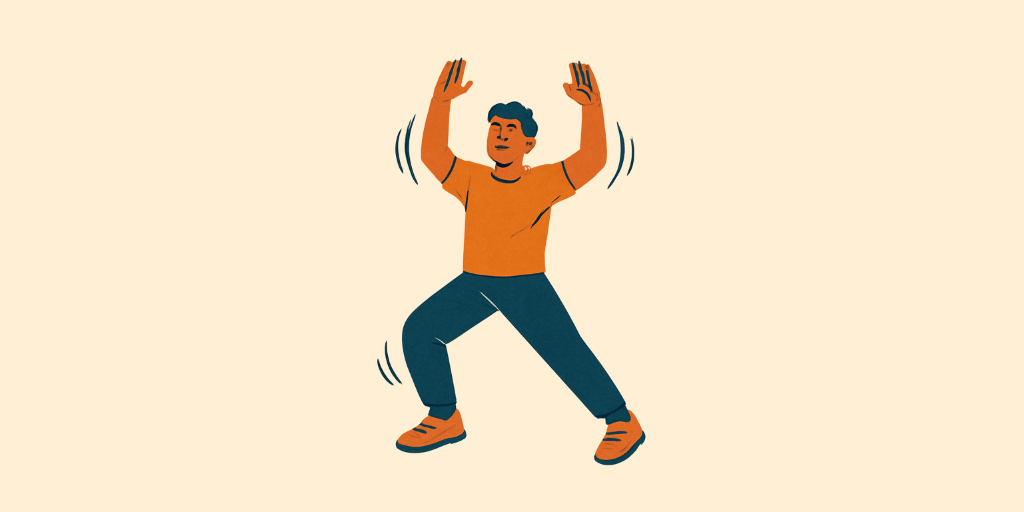
Sanskrit Name: स्थूल व्यायाम
English Name: Dynamic Movements
Description:
Sthula Vyayama, meaning “gross or dynamic exercises,” is an energetic yogic system that enhances strength, flexibility, and endurance through rhythmic, full-body movements. Unlike the gentle Sukshma Vyayama, this practice consists of vigorous exercises that activate muscles, improve circulation, and boost stamina. Synchronized with breath control (pranayama), Sthula Vyayama optimizes energy flow while strengthening the spine, lungs, and joints. It is often practiced before asanas, helping to prepare the body for deeper yogic postures and meditative states.
Historically, Sthula Vyayama evolved from ancient Indian fitness regimens, warrior training, and yogic disciplines, where dynamic movements were used to build endurance and agility. It was later integrated into Hatha Yoga, martial arts (Kalaripayattu), and traditional Indian exercise systems. In the 20th century, Swami Dhirendra Brahmachari played a key role in systematizing these techniques, emphasizing their role in body conditioning and energy balance.
Benefits:
Ideal for yoga practitioners, athletes, and fitness enthusiasts, Sthula Vyayama provides a holistic approach to strength, flexibility, and stamina. Whether you seek increased vitality, improved posture, or better lung capacity, this dynamic practice offers an effective and time-tested method to enhance both physical and mental resilience.
Medical Conditions(Relief):
- Obesity: Regular physical activity aids in weight management and reduces body fat.
- Diabetes: Exercise improves insulin sensitivity and helps regulate blood sugar levels.
- Hypertension: Engaging in physical activity can lower blood pressure and enhance cardiovascular health.
- Arthritis: Gentle exercises can increase joint flexibility and reduce pain.
- Depression: Physical activity stimulates the production of endorphins, which can elevate mood and alleviate symptoms of depression.
- Chronic Pain: Exercise can help manage and reduce chronic pain through improved strength and flexibility.
Medical Conditions(Avoid):
These asanas and exercises, when practiced regularly, contribute positively to overall health and well-being. Sthool Vyayama should be avoided in the following medical conditions:
- Obesity: Individuals with severe obesity may face joint stress and cardiovascular strain during vigorous exercise.
- Hypertension: High blood pressure can be exacerbated by strenuous physical activity, leading to potential health risks.
- Heart Conditions: Those with heart disease or arrhythmias should avoid intense workouts that could trigger complications.
- Joint Issues: Conditions like arthritis or severe joint pain can worsen with high-impact exercises, leading to further injury.
- Diabetes: Uncontrolled diabetes may lead to complications during physical exertion, making it crucial to consult a doctor before engaging in vigorous activities.
- Respiratory Conditions: Asthma or chronic obstructive pulmonary disease (COPD) can be aggravated by strenuous exercise, leading to breathing difficulties.
- Pregnancy: High-intensity workouts may pose risks to both the mother and fetus, especially in later stages of pregnancy.
- Recent Surgery: Recovery from surgery requires gentle movements; intense workouts can hinder healing and lead to complications.

