
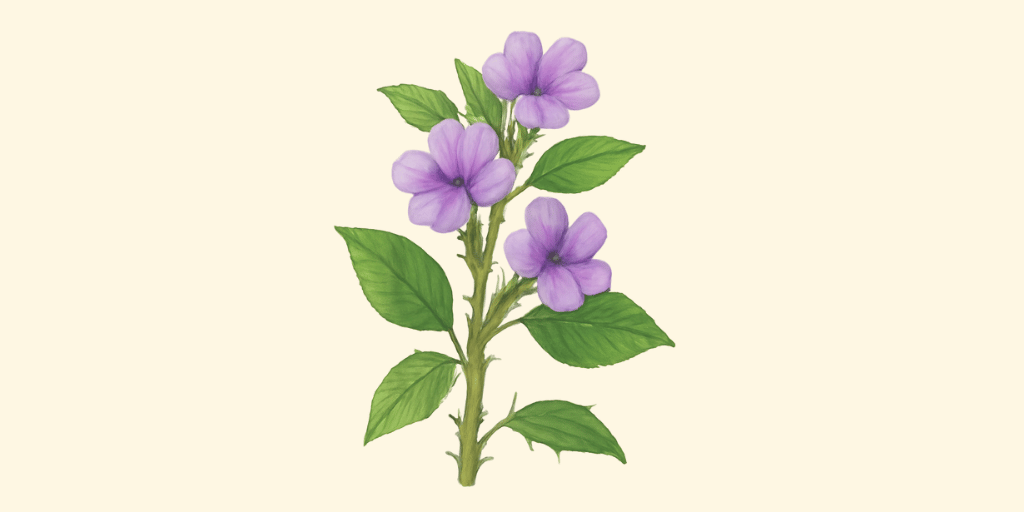
Sanskrit Name: Vajradanti
Devanagari Name: वज्रदंती
English Name: Vajradanti
Description:
Vajradanti is an important herb in Ayurveda, known for its oral health benefits, anti-inflammatory, and analgesic properties. The name “Vajradanti” literally translates to “diamond tooth,” indicating its effectiveness in promoting strong teeth and gums. The herb is widely used in Ayurvedic dental care for treating conditions like toothaches, gum infections, gingivitis, and bad breath.
Vajradanti has antimicrobial properties, which make it effective in reducing oral bacteria and preventing cavities and gum disease. It is often used in tooth powders, mouthwashes, and gargles to maintain oral hygiene and promote healthy gums.
This herb is also beneficial for digestive health as it can help with stomach ulcers, indigestion, and gas. It has mild antacid effects that soothe the stomach lining and reduce acid reflux and heartburn.
Vajradanti helps balance the Pitta dosha due to its cooling properties and is effective in reducing heat-related issues like inflammation and skin rashes. It also has anti-inflammatory properties that help in treating arthritis and joint pain.
Vajradanti is considered safe and effective for promoting oral health, reducing oral infections, and supporting overall digestive health.
Benefits:
- Vajradanti is an herb from ancient Ayurvedic texts, meaning “diamond teeth”.
- It is believed to strengthen teeth, making them hard like diamonds.
- In India, its twigs are commonly used for dental hygiene.
Medical Conditions(Relief):
- Vajradanti is known for its antimicrobial and anti-inflammatory properties, making it effective in treating dental and gum problems.
- It is often used in oral care to prevent and treat conditions like gum disease, toothaches, and mouth ulcers.
- Vajradanti is also used for its ability to reduce inflammation and promote the healing of wounds.
- It has digestive benefits, improving appetite and relieving constipation.
- Additionally, Vajradanti is used as an analgesic to alleviate pain in conditions like arthritis and other inflammatory conditions.
Medical Conditions(Avoid):
- Vajradanti should be avoided by individuals with oral sensitivities or allergies to the Acanthaceae family.
- Pregnant women should consult their healthcare provider before using Vajradanti regularly, as its effects on pregnancy are not well-established.

