
Sanskrit name – लययोग
English name – Yoga of Dissolution
Description –
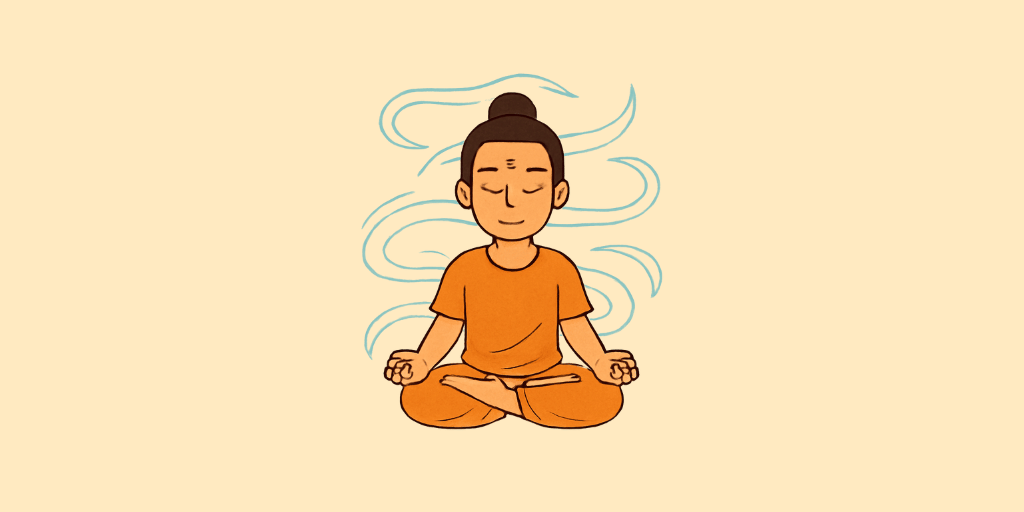
Laya Yoga, known as the “Yoga of Dissolution,” is a profound path of inner absorption where the mind merges into higher consciousness. This ancient yogic practice is designed to dissolve distractions, allowing one to attain a deep meditative state beyond the fluctuations of thought. Unlike other yoga forms that emphasize physical postures, Laya Yoga is rooted in Kundalini awakening, guiding energy through the chakras for spiritual transformation. Central to this practice are techniques like Nādanusandhāna, focusing on internal sound vibrations, and Śambhavī Mudrā, which refines concentration. The practitioner gradually withdraws from the sensory world, moving beyond external experiences into the vastness of inner stillness.
Benefits –
By dissolving ego-bound consciousness, one experiences a heightened state of awareness, unifying with the infinite. This transformative path enhances mental clarity, inner peace, and spiritual enlightenment, making it ideal for those seeking deeper meditative experiences. If you wish to move beyond surface-level meditation and explore profound inner stillness, Laya Yoga provides a structured yet mystical approach to transcendence.
Medical conditions ( Relief ) –
Laya yoga can be beneficial for various medical conditions, including stress, anxiety, and depression, as it promotes relaxation and mental clarity. Additionally, it may aid in managing chronic pain and improving respiratory issues by enhancing lung capacity and overall breath control. This practice can also support cardiovascular health by improving circulation and reducing blood pressure. Furthermore, Laya yoga encourages better sleep patterns, which can be particularly helpful for individuals suffering from insomnia or other sleep disorders.
Medical conditions ( Avoid ) –
1. Severe Hypertension: Those with high blood pressure should avoid asanas that involve inversion or straining, as these can exacerbate their condition.
2. Heart Conditions: Individuals with heart disease or irregular heartbeats should steer clear of intense asanas that may increase heart rate or strain the cardiovascular system.
3. Pregnancy: Pregnant women should avoid poses that involve deep twists, inversions, or excessive pressure on the abdomen.
4. Recent Surgery: Anyone recovering from surgery should avoid strenuous movements or poses that could strain the surgical site.
5. Severe Back Problems: Individuals with serious back injuries or chronic pain should avoid asanas that involve deep bending or twisting of the spine.
6. Joint Issues: Those with arthritis or other joint problems should be cautious with asanas that place stress on the joints.
7. Severe Asthma or Respiratory Issues: Individuals with uncontrolled asthma or other serious respiratory conditions should avoid poses that may restrict breathing.
8. Epilepsy: People with epilepsy should avoid asanas that require inversion or those that could lead to loss of balance.
Always consult with a healthcare professional before starting any new yoga practice, especially if you have existing health concerns.

