
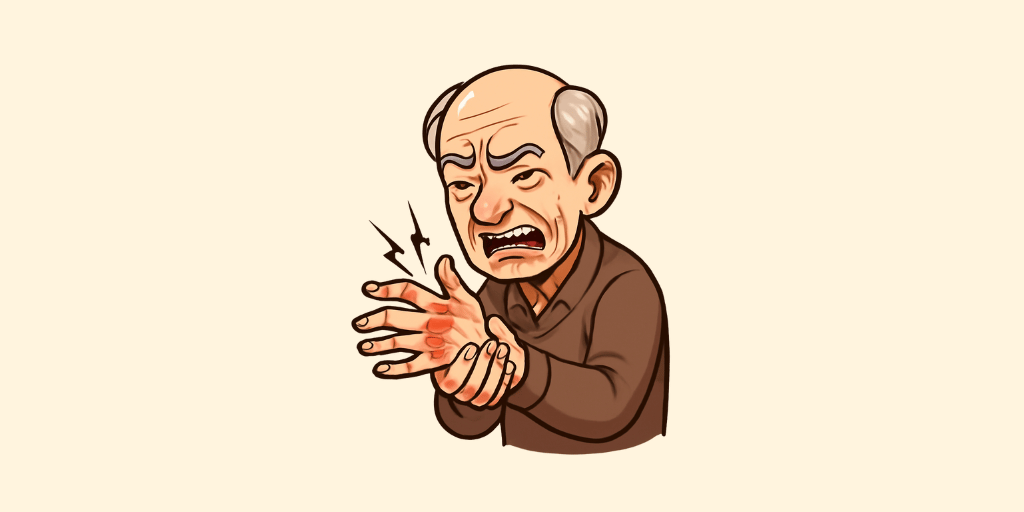
Ayurvedic Name: Sandhi Vaat
Description
Sandhi Vaat is arthritis, a joint disorder resulting from aggravated Vata which leads to pain, stiffness, and swelling in the joints. Ayurvedic management includes anti-inflammatory herbs, warm oil massages, and dietary changes to reduce inflammation.
Signs & Symptoms
- Sandhi Vaat is characterized by Shoola (Pain) in the joints, especially after prolonged activity or in cold weather.
- The pain is often accompanied by Stambha (Stiffness).
- Gaurava (Heaviness) in the affected joints, making movement difficult.
- Vata dosha aggravation leads to Shotha (Swelling), causing the joints to become inflamed and tender.
- Over time, there may be Dourbalya (Weakness) in the affected area.
- Rukshata (Dryness) of the skin and tissues around the joints.
- Agnimandya (Poor Digestion) may also occur due to reduced mobility and the overall impact of the condition.
Diagnosis
Rheumatoid Factor (RF) or X-ray
Risk Factors
- Dietary Factors: Excessive consumption of salty, spicy, or fried foods can contribute to the development of Sandhi Vaat (joint pain and inflammation). A diet low in anti-inflammatory foods or lacking in essential nutrients like calcium and vitamin D can weaken the bones and joints.
- Lifestyle Factors: Physical inactivity, poor posture, and overexertion can lead to joint strain and discomfort. Emotional stress, aging, and lack of proper rest can also exacerbate symptoms of Sandhi Vaat.
Complications
- Joint Inflammation (Sandhi Vaat): Pain, swelling, and stiffness in the joints caused by chronic inflammation or autoimmune conditions.
- Bone Weakness (Asthi Kshaya): Reduced bone density leading to fractures or fractures.
- Pain (Sandhi Shoola): Persistent pain in the joints due to inflammation and tissue damage.
Epidemeology
Sandhi Vaat (Joint Pain and Inflammation) is prevalent in individuals suffering from osteoarthritis, rheumatoid arthritis, and gout. It is more common in older adults, particularly those with a history of joint injuries or obesity.
References
- Trikamji Y, editor. Chikitsasthan; Vatavyadhichikitsa Adhyaya. Verse 37. In: Charakasamhita of Agnivesha. Varanasi, India: Chaukamba Publication; 2011. p. 690.3.
- Shastri K, editor. Nidhanasthana; Vatavyadhinidan Adhyaya. Verse 29. In: Sushruta, Sushruta Samhita. Varanasi, India: Chaukhamba Sanskrit Sansthan; 2012. p. 4604.
- Comprehensive Ayurvedic management of Sandhigatavata: case report Article in Journal of Indian System of Medicine · January 2019 DOI: 10.4103/JISM.JISM_71_1 by Poonam Ashtankar, Punam Sawarkar5.
- Tripathi B, editor. Chikitsasthana; Vatavyadhichikitsa Adhyaya. Verse 15–18. In: Charak, Charak Samhita. Varanasi, India: Chaukhamba Sanskrit Pratisthana; 2011. p. 93.6.
- Gupt A, editor. Nidanasthana; Vatavyadhinidan Adhyaya. Verse 5–6. In: Shrimadvagbhat, Astanghrudayam. Varanasi, India: Chaukhambha Sanskrit Samsthan; 2005. p. 375.
- https://www.jaims.in/jaims/article/view/2837/4339

