
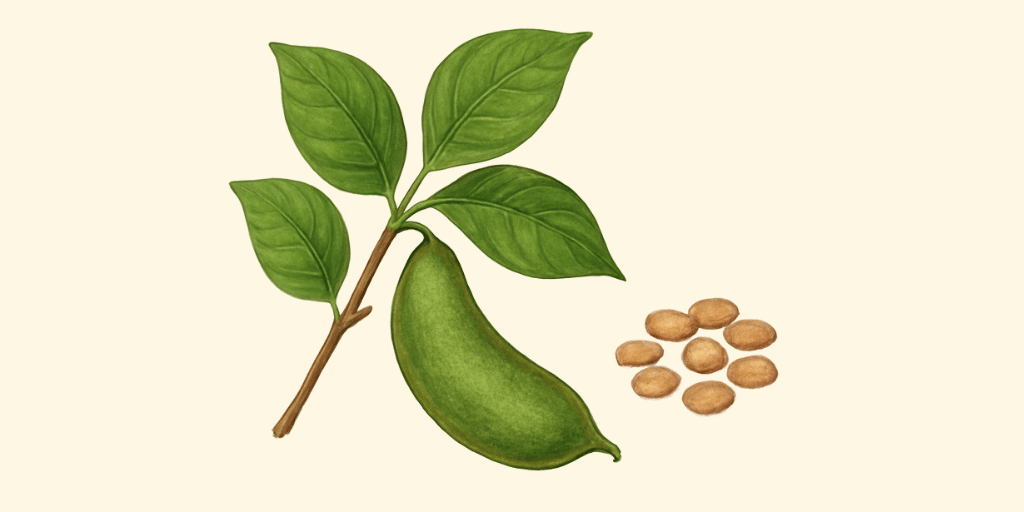
Sanskrit Name: Kulthi
Devanagari Name: कुल्थी
English Name: Horse Gram
Description:
Kulthi, scientifically known as Macrotyloma uniflorum, is a legume widely cultivated in India and Africa. The plant grows to about 30 cm in height and produces small, round seeds that are brown or black in color. The seeds are used for medicinal and nutritional purposes.
Kulthi is known for its digestive, anti-inflammatory, and detoxifying properties. It is commonly used to treat digestive disorders, such as gas, bloating, indigestion, and constipation, by stimulating digestive fire (Agni) and promoting regular bowel movements.
Kulthi also supports kidney health, particularly in managing kidney stones and urinary tract infections (UTIs) due to its diuretic effects. The herb is beneficial for arthritis and joint pain due to its anti-inflammatory properties.
Kulthi helps balance Vata and Kapha doshas, promoting digestive health, kidney health, and detoxification.
Benefits:
- Horsegram is beneficial in treating kidney, bladder, and gall stones.
- It has anthelmintic properties useful for amoebic diarrhea, bowel hemorrhage, and colic pains.
- Additionally, it is an excellent source of iron and crude protein, contributing to its therapeutic effects.
Medical Conditions(Relief):
- Kulthi, or horse gram, is an excellent source of protein and fiber, making it beneficial for promoting muscle growth, boosting metabolism, and aiding digestion.
- It has anti-inflammatory and antioxidant properties that help reduce inflammation and oxidative stress in the body.
- Kulthi is particularly helpful in managing weight, as it helps reduce fat accumulation and improve digestion.
- It also supports heart health by regulating cholesterol levels and blood pressure.
- Additionally, horse gram is used to improve kidney function and treat urinary tract infections.
Medical Conditions(Avoid):
- Kulthi should be avoided by individuals with kidney stones, as it may increase the formation of stones due to its high oxalate content.
- People with a history of gout should also avoid Kulthi, as it can increase uric acid levels in the body.
- Pregnant women should consult their healthcare provider before using Kulthi, as it may have mild uterotonic effects.

