
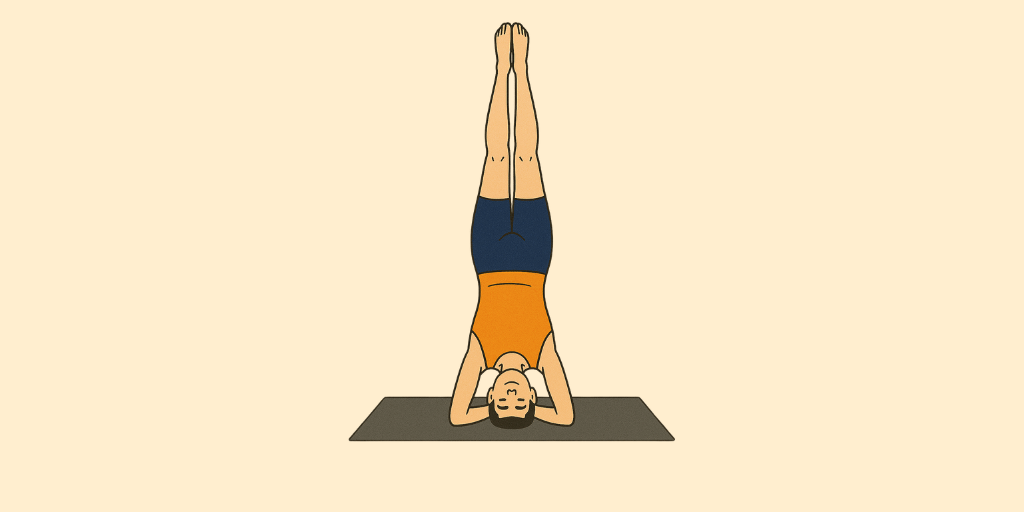
Sanskrit Name: शीर्षासन
English Name: Headstand
Description
Shirshasana, commonly known as the Headstand in yoga, is a pose where you balance your body upside down, supported solely by your head and arms. The term originates from Sanskrit: Sirsa translates to head, and Asana means posture or seat, hence it literally means head posture.
Historically, Shirshasana has been regarded as a challenging and sacred pose within yoga. It is often deemed one of the most significant asanas, referred to as the “king of asanas” due to its numerous benefits for both body and mind. Ancient yogis viewed it as a method to reverse the usual flow of energy, enhancing mental clarity and physical strength. Being inverted increases blood circulation to the brain, aiding in mental refreshment and clarity.
At its core, Shirshasana transcends mere physicality. It represents a shift in perspective—both literally and figuratively. By inverting your body, you gain a fresh viewpoint on your practice and life. It fosters courage, balance, and concentration, requiring time, patience, and mental fortitude to master.
Engaging in Shirshasana can be empowering. It challenges you to face your fears, build self-confidence, and connect with your inner stability. Despite its physical demands, it offers a grounding experience once you achieve balance and remain present. It serves as a reminder that sometimes, gaining clarity or a new perspective requires turning your world upside down.
How to Do
Here are the steps to do Shirshasana (Headstand).
- Start by Setting Up: Begin by kneeling on the floor with your knees hip-width apart. Place a yoga mat or cushion under your head to avoid straining the neck.
- Interlace Your Fingers: Place your forearms on the ground parallel to each other. Interlace your fingers, and create a stable base by pressing the forearms firmly into the floor. Your elbows should be shoulder-width apart.
- Position Your Head: Place the top of your head (the crown) on the floor, and the back of your head should be gently cupped by your hands. This helps to stabilize the head and neck.
- Create a Stable Foundation: Press your forearms into the floor while lifting your hips toward the ceiling to create a strong base. Keep your legs straight, with your feet hip-width apart.
- Lift Your Hips: Inhale and begin to lift your hips upward, bringing your feet closer to your body. You should feel the weight shift into your forearms, not your head.
- Tuck Your Knees to Your Chest: Gently bring your knees toward your chest and then slowly start lifting one leg at a time toward the ceiling. Keep your core engaged and your legs straight.
- Raise Both Legs Up: Once one leg is up, use the core strength to raise the other leg, bringing both legs straight up towards the ceiling. Keep your body in one straight line from head to heels. Avoid putting weight on your head. The primary support should come from your forearms.
- Find Your Balance: Once your legs are vertical, focus on your breath and maintain a steady balance. Look straight ahead or slightly towards the floor. Keep your neck neutral and avoid overstraining.
- Hold the Pose: Hold the headstand for 10–30 seconds or longer if you’re comfortable. Focus on maintaining stability, deepening your breath, and relaxing your body.
- Slowly Lower Your Legs: To come out of the pose, bend your knees slowly, bringing your feet back down toward the floor. Gently lower your legs to the floor, keeping your core engaged to avoid sudden movements.
- Rest in Child’s Pose (Balasana): Once you’ve come out of the pose, sit back on your heels and rest in Child’s Pose (Balasana) for a few moments to release any tension in the neck and spine.
Benefits
- Shirshasana, or the headstand, is beneficial for various medical conditions.
- It can improve circulation, alleviate stress, and enhance mental clarity.
- Additionally, it may help with conditions like anxiety, insomnia, and digestive issues by promoting relaxation and stimulating the endocrine system.
- Practicing this asana can also strengthen the upper body and improve balance.
Medical Conditions(Relief)
- Improved Circulation: Inverts the body, promoting blood flow to the brain, which can enhance cognitive function and clarity.
- Strengthens Core Muscles: Engages the abdominal and back muscles, leading to better core stability and strength.
- Reduces Stress and Anxiety: The inversion can have a calming effect on the nervous system, helping to alleviate stress and anxiety.
- Enhances Balance and Coordination: Practicing this pose improves overall balance and body awareness.
- Stimulates the Thyroid Gland: The pressure on the neck during the pose can help regulate thyroid function, which is crucial for metabolism.
- Alleviates Headaches: The increased blood flow and relaxation can help reduce tension headaches.
- Improves Digestion: The inversion aids in stimulating the digestive organs, potentially improving digestion.
Medical Conditions(Avoid)
- Neck Injuries: Individuals with any neck injuries or conditions such as cervical spondylosis should avoid Shirshasana to prevent exacerbating their condition.
- Glaucoma: This asana increases intracranial pressure, which can worsen glaucoma symptoms.
- High Blood Pressure: Those with uncontrolled hypertension should refrain from practicing Shirshasana, as it can elevate blood pressure further.
- Heart Conditions: Individuals with serious heart issues should avoid this pose due to the increased strain it places on the cardiovascular system.
- Pregnancy: Pregnant women should avoid Shirshasana due to the risk of falling and the pressure it places on the abdomen.
- Epilepsy: This pose can trigger seizures in individuals with epilepsy due to increased blood flow to the head.
- Recent Surgery: Anyone who has undergone recent surgery, especially in the head, neck, or shoulders, should avoid this asana until fully healed.
- Severe Migraines: Those prone to severe migraines may find that inversions like Shirshasana trigger or worsen their symptoms.
- Balance Disorders: Individuals with balance issues or inner ear problems should avoid this pose to prevent falls or injuries.
- Severe Anxiety or Panic Disorders: The inversion can sometimes provoke anxiety or panic attacks in susceptible individuals.
References
- Patanjali, Yoga Sutras of Patanjali, Commentary by Swami Sivananda. Divine Life Society, 1990; p. 58.
- Swatmarama, Hatha Yoga Pradipika, Edited by Swami Muktibodhananda. Bihar School of Yoga, 1998; p. 72.
- Sushruta, Sushruta Samhita, Commentary by Acharya Y.T. (5th ed.). Varanasi: Chaukambha Orientalia, 1992; p. 445.
- Krishnamacharya, Yoga Makaranda, Translated by A.G. Mohan. Krishnamacharya Yoga Mandiram, 2012; p. 103.
- Iyengar B.K.S., Light on Yoga. HarperCollins Publishers, 1966; p. 102.
- Desikachar T.K.V., The Heart of Yoga: Developing a Personal Practice. Inner Traditions, 1995; p. 88.
- Jois K. Pattabhi, Yoga Mala. The Yoga Institute, 2002; p. 120.
- Swami Vivekananda, Raja Yoga. Advaita Ashrama, 1993; p. 61.
- Swami Sivananda, The Science of Pranayama. Divine Life Society, 1951; p. 99.
- Sivananda Yoga Vedanta Centres, Yoga and Health. Sivananda Publications, 2005; p. 45.

