
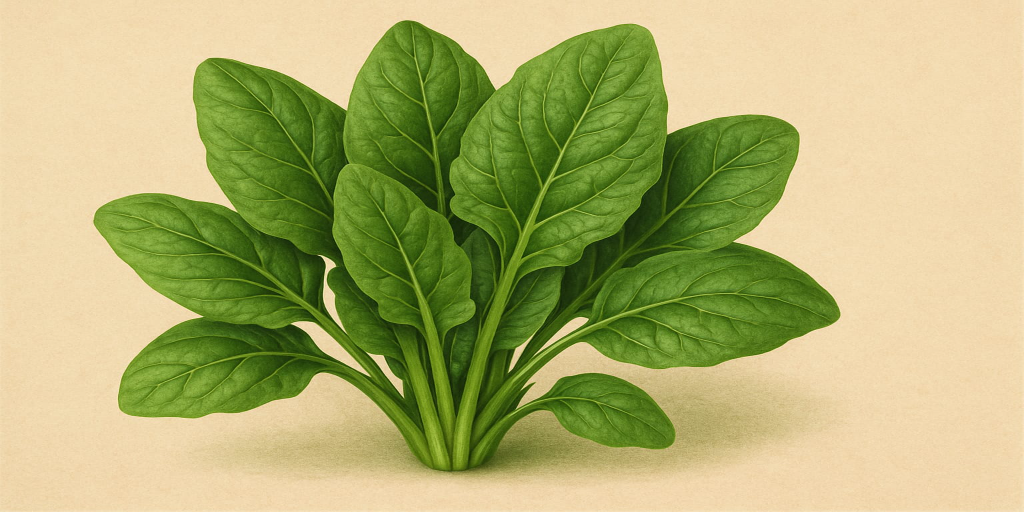
Sanskrit Name:Paalak
Devanagari Name:पालक
English Name: Spinach
Description:
Spinach is a widely available leafy green vegetable known for its high nutritional content, particularly its iron levels. Regular consumption of spinach can be advantageous for individuals with anemia due to its rich iron content. It can also be enjoyed as a juice to aid in weight loss.
Additionally, spinach may benefit those with diabetes by helping regulate blood sugar levels. In Ayurveda, spinach is valued for its ability to combat hair dryness and loss, thanks to its sticky (Picchila) nature. Applying spinach paste or juice to the skin may assist in healing sunburns due to its cooling (Sita) and healing (Ropan) properties.
Benefits:
- Spinach is a rich source of vitamins, minerals, and antioxidants, making it beneficial for skin health, eye health, and overall vitality.
- It supports heart health by improving blood circulation and reducing cholesterol levels.
- Spinach is also known for its ability to promote digestion, improve bone health, and provide energy.
Medical Conditions(Relief):
- Spinach is a highly nutritious leafy green that is rich in vitamins, minerals, and antioxidants.
- It is particularly beneficial for eye health due to its high content of lutein and zeaxanthin.
- Spinach also supports bone health with its high calcium and magnesium content.
- It helps in improving digestion, relieving constipation, and promoting gut health due to its fiber content.
- Spinach is also used to manage blood pressure, reduce cholesterol, and support heart health.
- Its antioxidant properties help reduce inflammation and oxidative stress in the body.
Medical Conditions(Avoid):
- Spinach should be avoided by individuals prone to kidney stones or with a history of oxalate kidney stones, as it contains high levels of oxalates.
- People with gout should also limit spinach intake, as it contains purines that may contribute to uric acid buildup.

