
Ayurvedic Name: Charmdal
Description:
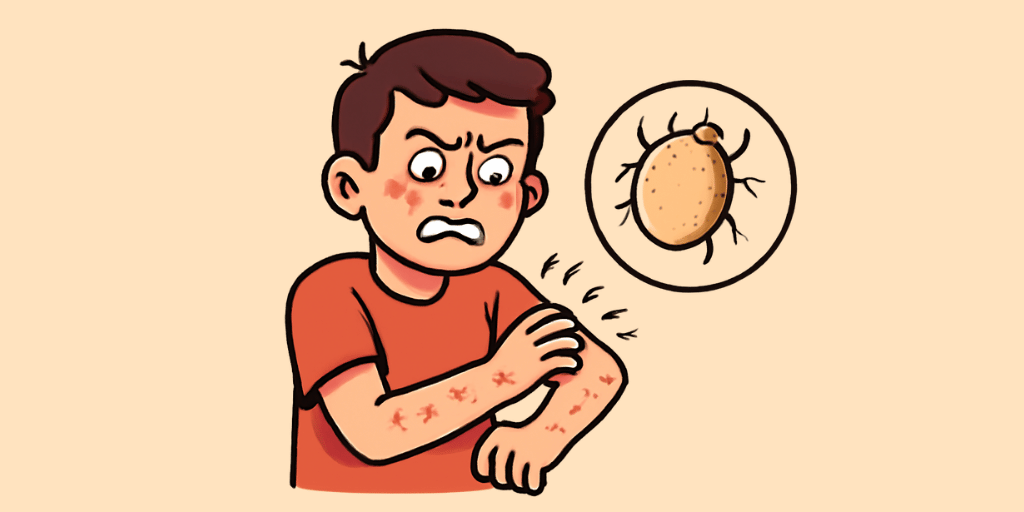
This condition manifests as thinning and peeling of the skin, which leads to excessive dryness, redness, and scaling. It is a Vata-Pitta disorder, resembling Atopic Dermatitis or Exfoliative Dermatitis in modern medicine. Ayurveda treatment of Atopic Dermatitis involves prescribes Panchatikta Ghrita, Ashwagandha, and Bala oil for internal nourishment, along with gentle herbal moisturizers like Kumkumadi Taila and Aloe Vera gel for skin protection.
Signs & Symptoms:
- Charmdal presents with Kushtha (Skin Lesions).
- Shotha (Swelling).
- Kandu (Itching).
- Rukshata (Dryness)
- Shoola (Pain) in the skin.
Diagnosis:
Skin Scraping for microscopic examination
Risk Factors:
- Dietary Factors: A diet high in inflammatory foods like processed sugars, refined carbohydrates, and fried foods can contribute to Charmdal (skin eruptions). Poor nutrition weakens the skin’s immune response, making it more vulnerable to breakouts.
- Lifestyle Factors: Poor skincare habits, stress, and lack of sleep can trigger or worsen the symptoms of Charmdal. Exposure to environmental toxins and dehydration can also contribute.
Complications:
- Skin Lesions (Charmdal): Formation of sores or lesions on the skin, which may lead to scarring.
- Inflammation (Shotha): Redness, swelling, and pain around the affected area.
- Itching (Kandu): Persistent itching that worsens the condition.
Epidemeology:
Charmdal (Skin Sores) is common in individuals with chronic infections or diseases that affect the skin, such as eczema or impetigo. It is also prevalent in individuals with poor hygiene or nutritional deficiencies.
References:
- Tripathi B, editor. Charaka & Drudhabala. Vol. 2. Varanasi, India: Chaukhamba Surbharti Publishers; 2008b. Charakasamhita of Agnivesha; p. 1105.2013
- Charaka. Annapana vidhi adhyaya. In: Bargale S, Shashirekhs HK, editors. Charaka Samhita. New Delhi: Chaukhambha publications; 2022. p. 547
- Sushruta. Kushtha nidana 5th chapter. In:Singhal GD, Tripathi SN, editors. Sushruta samhita. Delhi: Chaukhamba Sanskrit Pratishtana; 2018; p. 539.
- https://jaims.in/jaims/article/view/3108

